Americans Split as Trump Takes Bold Action Against Iran
Two national polls conducted in the immediate aftermath of President Donald Trump’s decisive military strike on Iran reveal what many patriots expected: a sharp partisan divide over America’s bold move to eliminate a hostile regime’s leadership and defend our national security.
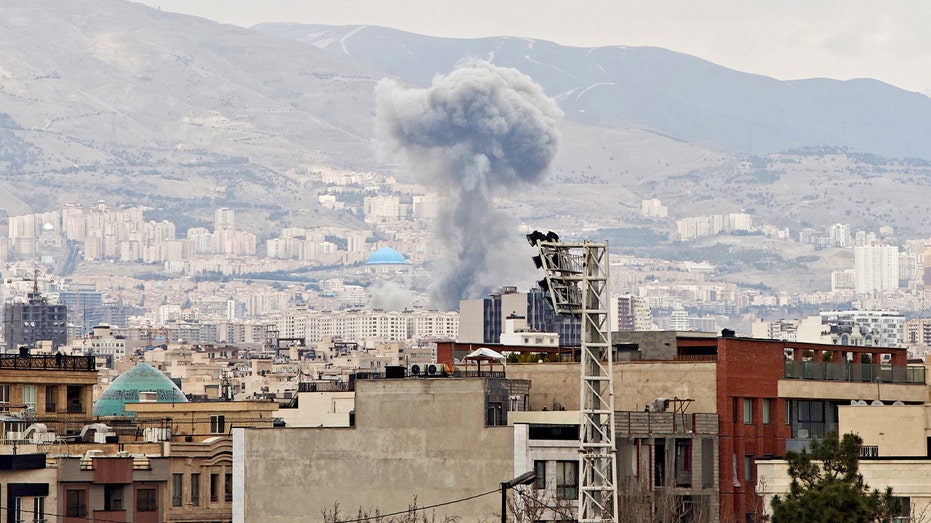
“Operation Epic Fury,” carried out jointly by American and Israeli forces, resulted in the death of Iran’s supreme leader, Ayatollah Ali Khamenei. The mission marked a dramatic escalation in the long-standing standoff with the world’s leading state sponsor of terrorism.
According to a Reuters/Ipsos survey conducted over the weekend following the launch of the operation, 27% of Americans said they approved of the strikes, while 43% voiced opposition. Nearly three in 10 respondents said they were unsure.
A separate national poll conducted by CNN found similar numbers, with 59% saying they disapproved of the initial decision to strike Iran, compared to 41% who supported it.
A Deepening Partisan Battle Line
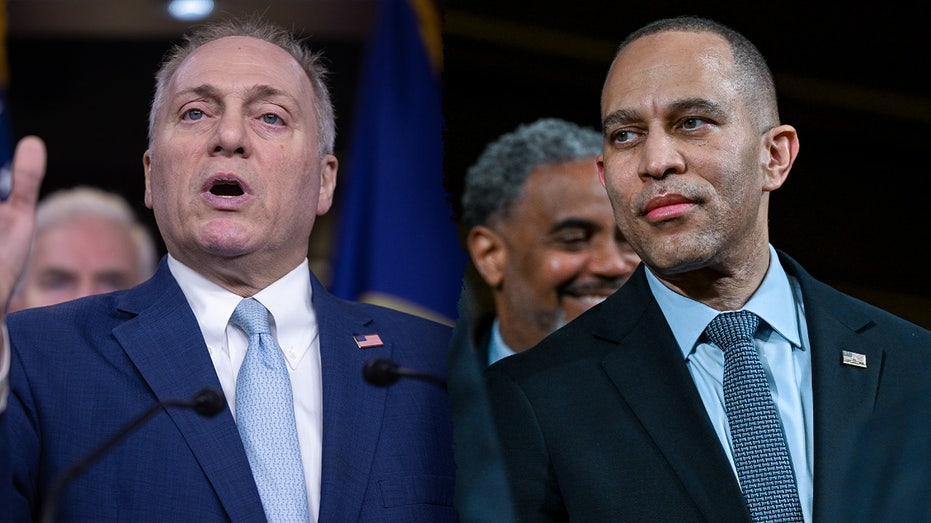
The real story emerging from the data is not just public skepticism, but the widening chasm between Republicans and Democrats on matters of foreign policy and the use of American strength abroad.
Among Republicans, support for the military operation was strong. In the Reuters/Ipsos poll, GOP voters backed the action by a 55% to 32% margin. The CNN survey found even stronger approval among Republicans, with 77% supporting the strike.
Democrats, by contrast, overwhelmingly opposed the action. In the Reuters/Ipsos poll, 73% disapproved, while just 7% supported the strikes. The CNN poll found only 18% of Democrats approved.
Independents fell somewhere in between, though a plurality expressed concern. In the Reuters/Ipsos survey, 44% of independents disapproved, 19% approved, and a sizable portion remained uncertain about the operation.
Debate Over Strategy and Leadership
The polls also highlight broader questions about the president’s strategy moving forward. According to CNN’s findings, 83% of Republicans believe President Trump has a clear plan for handling the conflict. However, 70% of independents and 88% of Democrats said they do not believe there is a clearly defined strategy.
Overall, six in 10 Americans surveyed said they think the president lacks a clear plan for managing the situation. Additionally, 62% indicated that Trump should seek congressional approval before launching any additional military actions.
These surveys were conducted before the Pentagon announced the tragic loss of six American service members during the operation — a sobering reminder of the sacrifices made in defense of freedom.
Conflict Intensifies in the Middle East
As of Tuesday, the joint U.S.-Israeli campaign had entered its fourth day. President Trump has said the operation is ahead of schedule, crediting the rapid elimination of Iran’s top leadership for disrupting Tehran’s command structure.
The president has also indicated that Iran has expressed interest in negotiations. However, Trump has suggested that Tehran may have missed its opportunity to strike a deal before facing the full force of American and allied power.
Meanwhile, tensions across the region continue to rise. The U.S. State Department has urged Americans to leave 14 Middle Eastern countries as Iranian counterattacks intensify. American embassies in Kuwait and Saudi Arabia have been closed out of an abundance of caution.
At the same time, the Gulf Cooperation Council issued a stern warning to Tehran, signaling it is prepared to take “all necessary measures,” including potential military action, in response to Iran’s missile and drone assaults.
America at a Crossroads
The polling underscores a familiar pattern in modern American politics: when it comes to confronting foreign adversaries, the country remains divided along partisan lines. For supporters of the president, the strikes represent strength, deterrence, and a clear message that the United States will not tolerate threats against its people or allies.
For critics, the operation raises concerns about escalation and long-term involvement overseas.
As events unfold, the American people will continue to weigh the costs and consequences of decisive action abroad — and whether projecting strength now will secure peace in the long run.