City Bus Slams Into Popular Washington Restaurant, Sending Three to Hospital
Residents of the nation’s capital woke up to shocking scenes Saturday morning after a city bus barreled into a well-known restaurant in Northwest Washington, D.C., leaving three people hospitalized and forcing emergency crews to secure the damaged building.
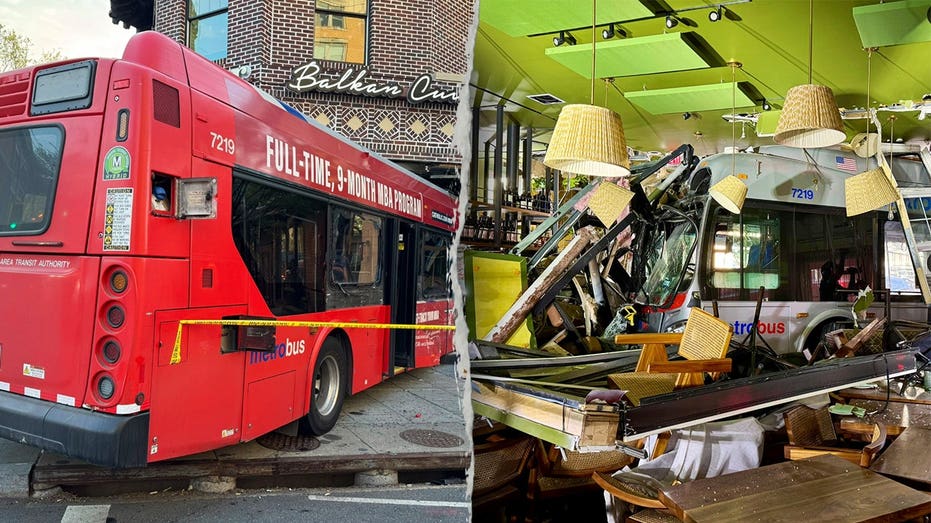
The incident occurred at the intersection of 7th and Q Streets NW, in the heart of the city’s Shaw neighborhood. According to the District of Columbia Fire and Emergency Medical Services Department, crews responded to reports of a crash involving a Metrobus and another vehicle, with the bus ending up inside a restaurant’s dining area.
Thankfully, the restaurant was unoccupied at the time of impact. While the physical damage was significant, the absence of diners likely prevented far more serious injuries — a small but real mercy in what could have been a deadly event.
Bus Plows Into Michelin-Recognized Restaurant
The bus involved in the crash was operated by the Washington Metropolitan Area Transit Authority (WMATA), the agency that runs public transportation throughout the D.C. metropolitan area. Officials said the Metrobus smashed through the exterior and came to rest inside the dining room of Ambar Shaw, a popular Balkan restaurant known for its brunch and dinner service.
Ambar, located in the vibrant Shaw neighborhood, is a Michelin-recognized establishment that draws both locals and tourists. Its signature all-you-can-eat Balkan small plates have made it a destination for food lovers across the capital region.
On a busy weekend morning, the restaurant could have been filled with patrons enjoying brunch. Instead, officials confirmed that the dining room was empty when the bus broke through the building — a critical factor that likely prevented serious casualties or loss of life.
Emergency Response: Rapid and Professional
First responders moved quickly to stabilize the situation. According to D.C. Fire and EMS officials, four individuals were evaluated at the scene. Three adult women were transported to a local hospital with what authorities described as minor injuries.
Firefighters worked swiftly to secure utilities to the building, ensuring there were no gas leaks or additional hazards. Crews then conducted a thorough search of the structure to ensure no one was trapped inside.
Given the nature of the crash, officials deployed a specialized collapse team to assess the structural integrity of the building. Images from the scene showed significant damage to the front of the restaurant where the bus entered.
After careful evaluation, officials determined there was no major structural compromise. No shoring — the use of structural supports to prevent collapse — was required. The bus was eventually removed from the building, and cleanup operations began.
In an era when emergency services are often criticized or politicized, Saturday’s response was a testament to the professionalism and preparedness of D.C.’s first responders. Their rapid action helped ensure that injuries were limited and that the building did not pose additional danger to neighboring businesses or pedestrians.
What Caused the Crash?
As of this writing, authorities have not publicly disclosed the cause of the crash. It remains unclear how many passengers were on board the bus at the time of the incident or how the collision with the other vehicle unfolded.
WMATA operates hundreds of buses daily throughout the Washington metropolitan area under the oversight of its Metrobus system. These buses share roadways with regular traffic, making safety protocols and driver training paramount.
Transportation incidents of this nature typically prompt internal reviews and possible coordination with local law enforcement or federal transportation authorities. Although the National Transportation Safety Board (NTSB) primarily investigates major aviation and highway disasters, local and regional agencies routinely examine crashes involving public transit vehicles.
At this stage, officials have not indicated whether mechanical failure, driver error, road conditions, or another vehicle’s actions played a role. Until a formal investigation releases findings, speculation would be premature.
The Broader Picture: Public Transit and Urban Safety
This latest crash adds to the ongoing national conversation about public transit safety in major American cities. While bus travel remains one of the most widely used and statistically safe forms of transportation in urban environments, accidents can and do happen.
In densely packed cities like Washington, D.C., commercial corridors often mix buses, personal vehicles, rideshare drivers, cyclists, and pedestrians. A single miscalculation can quickly escalate into a dangerous situation.
According to WMATA’s publicly available performance data, the agency places a significant emphasis on:
- Comprehensive driver training programs
- Regular mechanical inspections of buses
- Safety monitoring systems and reporting
- Coordination with local law enforcement and emergency services
However, even strong protocols cannot eliminate risk entirely. Urban infrastructure, traffic congestion, and human error all remain variables in public transit operations.
A Close Call for Shaw
The Shaw neighborhood has undergone significant revitalization over the past decade. Once known primarily for historical landmarks and cultural heritage, it has become a lively commercial and residential hub.
Restaurants, boutiques, and residential developments fill the streets around 7th and Q. On weekend mornings, foot traffic can be heavy, especially near dining destinations like Ambar.
Had the crash occurred during peak dining hours — or worse, during a crowded evening service — the outcome could have been dramatically different.
Incidents like this serve as a reminder of how quickly everyday life in a city can be disrupted. One moment, a routine bus route is operating as normal. The next, a storefront is shattered, and emergency crews flood the intersection.
Economic Impact on Small Businesses
Beyond the immediate safety concerns, crashes involving commercial properties can significantly impact local businesses. Even when no one is seriously injured, repairs, inspections, and potential closures can disrupt operations.
For a restaurant like Ambar, which relies heavily on weekend brunch traffic, a temporary closure could mean lost revenue. Insurance claims, building assessments, and health inspections all add additional hurdles.
Small and independent businesses across America face enough challenges, from inflation to rising operational costs. Unexpected property damage only compounds those pressures.
Local and city officials will likely work alongside the restaurant’s ownership to ensure that repairs move forward safely and efficiently. Washington, D.C.’s regulatory environment requires adherence to building safety codes enforced by agencies under the Government of the District of Columbia.
Public Accountability and Transparency
When public transit systems are involved in accidents, transparency is critical. Taxpayers fund agencies like WMATA, and they deserve full disclosure regarding what happened and what steps will be taken to prevent similar incidents.
Public trust is built on accountability. If driver error is found to be a factor, corrective measures must be clear and decisive. If infrastructure or road design contributed, city planners should address those vulnerabilities.
To its credit, WMATA has historically published performance and safety data and provided press updates following major incidents. As more details emerge about Saturday’s crash, the public will be watching closely.
Minor Injuries, Major Questions
The three women transported to the hospital were reported to have suffered minor injuries. That fact alone distinguishes this event from far more tragic incidents seen elsewhere in the country.
Across America in recent years, crashes involving buses — from school transportation to long-distance travel — have resulted in severe injuries and fatalities. Compared to those incidents, the Washington crash stands as a fortunate close call.
But minor injuries do not diminish the seriousness of a bus breaching a restaurant wall in the heart of the capital city. Citizens reasonably expect that public transit vehicles will remain on the roadway and operate safely.
Community Resilience in the Nation’s Capital
Washington, D.C., often finds itself in the national spotlight for political clashes and policy debates. Yet beneath the headlines, it remains a living, breathing American city where families eat brunch, workers commute, and small businesses strive to succeed.
Saturday’s crash was a jarring disruption to that normal rhythm. Still, it also showcased the resilience and responsiveness of a community accustomed to navigating challenges.
Emergency crews responded efficiently. Injuries were limited. Structural damage was assessed and mitigated. Cleanup operations began promptly.
It is a reminder that even in moments of sudden crisis, strong institutions and professional responders make a measurable difference.
What Happens Next?
In the coming days, investigators will likely complete their review of the incident. WMATA may release additional details about the bus operator, vehicle condition, and circumstances leading up to the crash.
Key questions remain:
- What caused the initial collision with another vehicle?
- How did the bus lose control and breach the building?
- Were there any mechanical issues involved?
- Will policy or procedural changes follow?
Residents and commuters deserve answers. Public transportation systems must continually refine safety protocols to uphold the trust placed in them by the communities they serve.
A Wake-Up Call — Without the Worst Outcome
Ultimately, this could have ended far worse. A packed brunch service. A crowded sidewalk. A structural collapse. Any of those scenarios might have produced tragic headlines.
Instead, Washington experienced a serious incident with limited physical harm — though not without alarm and disruption.
The nation’s capital, like cities across America, depends on reliable public transportation and thriving local businesses. Both are pillars of urban life. When one collides — literally — with the other, it underscores the need for vigilance, professionalism, and constant commitment to safety.
As investigations continue, Americans will be reminded once again that public infrastructure is more than policy talking points. It is about real people, real neighborhoods, and real lives.
And this time, at least, those lives were spared from the worst.