Ignored ICE Detainer Sparks National Outrage After Young Mother’s Killing
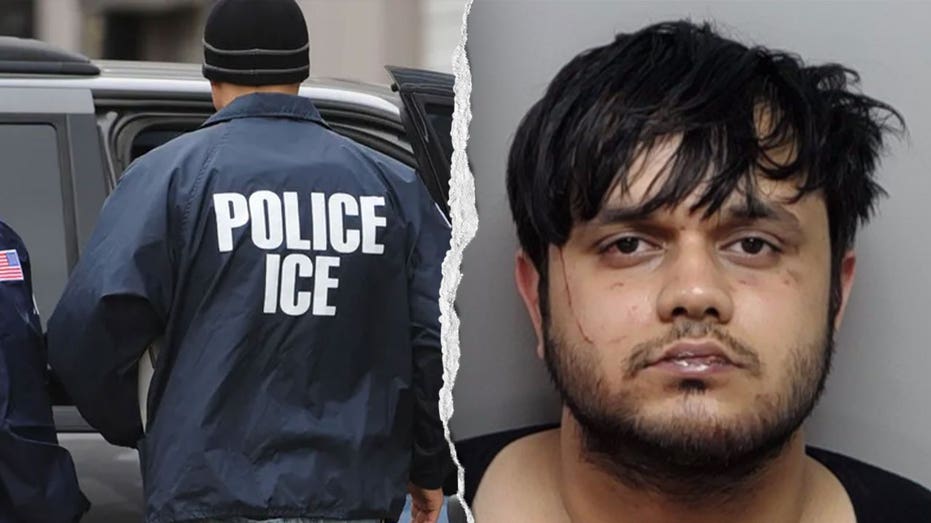
Anger is mounting across the country after federal immigration authorities revealed that an Immigration and Customs Enforcement (ICE) detainer was reportedly ignored prior to the killing of a 24-year-old mother — a tragedy that many argue could have been prevented.
The case has reignited fierce debate over so-called “sanctuary” policies, cooperation between local law enforcement and federal immigration officials, and whether partisan politics are putting American lives at risk.
What Is an ICE Detainer — And Why It Matters
An ICE detainer is a formal request issued by U.S. Immigration and Customs Enforcement, an agency within the Department of Homeland Security (DHS). The request asks local or state law enforcement agencies to hold an individual in custody for up to 48 hours beyond their scheduled release so federal agents can take custody for potential immigration violations or removal proceedings.
Detainers are typically filed when individuals are arrested for crimes and are suspected of being in the country unlawfully or violating immigration laws. While ICE relies on cooperation with local jurisdictions, courts have ruled that compliance with detainers is generally voluntary, not mandatory, unless accompanied by a judicial warrant.
That gray area has led to significant friction between federal immigration authorities and jurisdictions that have adopted policies limiting cooperation.
The Tragic Case That Sparked Outrage
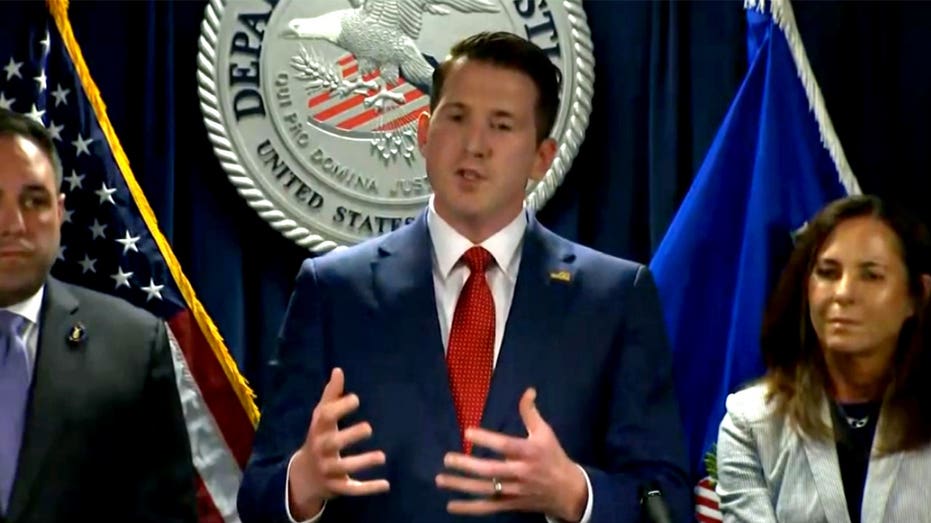
According to federal officials, two Honduran nationals have been charged in connection with the death of a young mother. DHS officials say at least one of the suspects had previously come to the attention of law enforcement and was the subject of an ICE detainer request.
However, local authorities in a California jurisdiction reportedly did not honor the detainer. That decision has become the central focus of the national backlash.
Critics argue that had federal authorities been allowed to take custody of the individual earlier, the alleged crime might never have occurred. DHS officials publicly condemned the jurisdiction’s sanctuary-style policies and defended ICE’s role in safeguarding communities.
“When politicians refuse to cooperate with federal immigration law, public safety can suffer devastating consequences,” one DHS spokesperson stated.
Local officials have defended their policies, citing community trust and constitutional concerns about holding individuals without judicial warrants.
California’s Sanctuary Policies Under Scrutiny
California has been at the center of immigration policy battles for years. In 2017, the state enacted the California Values Act (SB 54), often referred to as the “sanctuary state” law.
The law limits how state and local law enforcement agencies can cooperate with federal immigration authorities. Under SB 54:
- Local law enforcement generally cannot hold individuals past their release date based solely on ICE detainers.
- Local agencies are restricted in sharing certain information with ICE unless specific conditions are met.
- Exceptions exist for individuals convicted of serious or violent crimes.
Supporters argue these policies encourage undocumented immigrants to report crimes without fear of deportation. Opponents counter that the practical effect is shielding potentially dangerous individuals from federal enforcement.
The recent killing has intensified calls from critics to revisit or repeal such laws.
Federal vs. Local Authority: A Constitutional Clash
Under Article I of the U.S. Constitution, Congress holds authority over immigration. The Supreme Court has affirmed federal supremacy in immigration matters, most notably in Arizona v. United States (2012), which limited states’ independent efforts to enforce immigration laws.
However, the Court has also affirmed principles of federalism that prevent the federal government from “commandeering” state officials to enforce federal law.
This legal balancing act has created a patchwork of policies nationwide:
- Some counties fully cooperate with ICE detainers and notifications.
- Others comply only when a judicial warrant exists.
- Sanctuary jurisdictions restrict cooperation almost entirely.
That fragmentation has produced wildly different enforcement outcomes depending on zip code — something critics say undermines equal protection and national sovereignty.
The Human Cost of Policy Decisions
Beyond the political and legal debate lies the shattered life of a young mother whose family is now grieving. Community members have held vigils demanding accountability and justice.
The case highlights a recurring tension: balancing compassion in immigration policy with public safety responsibilities.
Advocates for tougher enforcement point to past high-profile tragedies where suspects were previously flagged by immigration authorities. They argue that law-abiding immigrants and American citizens alike suffer when violent offenders fall through the cracks of jurisdictional disputes.
Supporters of sanctuary policies counter that research examining crime rates in sanctuary jurisdictions does not conclusively show higher crime overall and warn against politicizing individual cases.
Nevertheless, for many Americans, the question is straightforward: if federal authorities requested custody of a suspect and local officials declined, should those officials bear political — or even legal — consequences?
President Trump Highlights Military Strike on Iran
In another major headline, President Donald Trump shared dramatic footage of a large-scale nighttime U.S. military strike targeting facilities inside Iran.
The video, posted publicly, shows what appears to be precision-guided munitions striking strategic targets under the cover of darkness. The White House has defended the operation as necessary to protect American forces and deter aggression against U.S. interests and allies.
Tensions between Washington and Tehran have been escalating for months. The U.S. Department of Defense has emphasized that American military actions are calibrated to defend national security and respond to threats against U.S. personnel.
The move comes amid broader geopolitical strain involving U.S. allies in the region and renewed scrutiny of NATO partners’ strategic positioning.
Teen ‘Takeover’ Chaos Raises Law and Order Questions
In a separate domestic development, a viral “teen takeover” event descended into chaos at a neighborhood shopping mall, resulting in fights, property damage, and multiple arrests.
Local police departments across the country have been grappling with social-media-organized flash mobs that can overwhelm retail spaces within minutes. Officers in this case reportedly worked to disperse the crowd and restore order after violence broke out.
Law enforcement agencies have warned that these incidents pose serious risks, including:
- Injury to innocent bystanders
- Destruction of small business property
- Strained emergency response resources
- Escalation into more serious criminal activity
Critics blame soft-on-crime policies in many jurisdictions for emboldening disorderly behavior, while others argue deeper cultural and parental guidance issues are at play.
ICE Expands Enforcement With Gang and Predator Arrests
In a separate enforcement action, ICE agents arrested a suspected MS-13 gang member along with multiple individuals accused of child exploitation offenses.
MS-13, short for Mara Salvatrucha, is a transnational criminal gang that has drawn national attention for brutal violence. The Federal Bureau of Investigation has identified MS-13 as a significant organized crime threat operating in multiple states.
Federal officials have also indicated that ICE personnel have assisted the Transportation Security Administration (TSA) amid staffing or funding pressures, underscoring DHS’s broad homeland security mandate.
Pentagon Defends “Meritocracy” in Officer Shakeup
The Pentagon is facing criticism from some Democratic lawmakers following reported removals or adjustments to senior officer promotions.
Defense officials have characterized the decisions as aligned with meritocratic standards and readiness priorities. Congressional critics, meanwhile, are demanding more transparency regarding the criteria used.
The dispute reflects ongoing debates about military leadership, diversity policies, and combat preparedness.
DHS Funding Battle Heats Up
Amid these enforcement controversies, the White House is urging the U.S. Senate to return from recess to address funding for the Department of Homeland Security.
Administration officials argue that stable funding is essential to:
- Border security operations
- Cybersecurity infrastructure protection
- Counterterrorism coordination
- Immigration enforcement
The funding debate arrives at a moment when border encounters, criminal enforcement actions, and global instability are dominating headlines.
A Larger Debate About Sovereignty and Safety
The death of a young American mother has become more than a local tragedy. It has become a symbol in the broader national argument over sovereignty, rule of law, and responsibility.
Supporters of stricter immigration enforcement insist that honoring ICE detainers is not about politics — it’s about ensuring dangerous individuals do not get a second chance to harm American families.
Opponents caution against drawing broad conclusions from single cases and argue for comprehensive reform rather than piecemeal enforcement politics.
But as grieving families demand answers and communities wrestle with fear and frustration, one fact remains clear: public safety decisions made at the local level can have nationwide ramifications.
For millions of Americans, the core question is simple yet profound — should immigration enforcement depend on geography, or should federal law apply uniformly across the United States?
As the investigation into the killing continues and lawmakers on both sides of the aisle weigh their next moves, the debate over sanctuary policies and ICE cooperation is unlikely to quiet anytime soon.
At the heart of it all stands a grieving family — and a country once again forced to confront the consequences of divided approaches to law, order, and accountability.