Federal Authorities Detain Wisconsin Mosque President Over Alleged Immigration Fraud Tied to Israeli Conviction
Federal immigration authorities have detained the president of the largest mosque in Wisconsin, alleging that he concealed a serious overseas criminal conviction when applying for lawful permanent residency in the United States. The case is quickly becoming a flashpoint in the broader national debate over immigration enforcement, political speech, and national security.
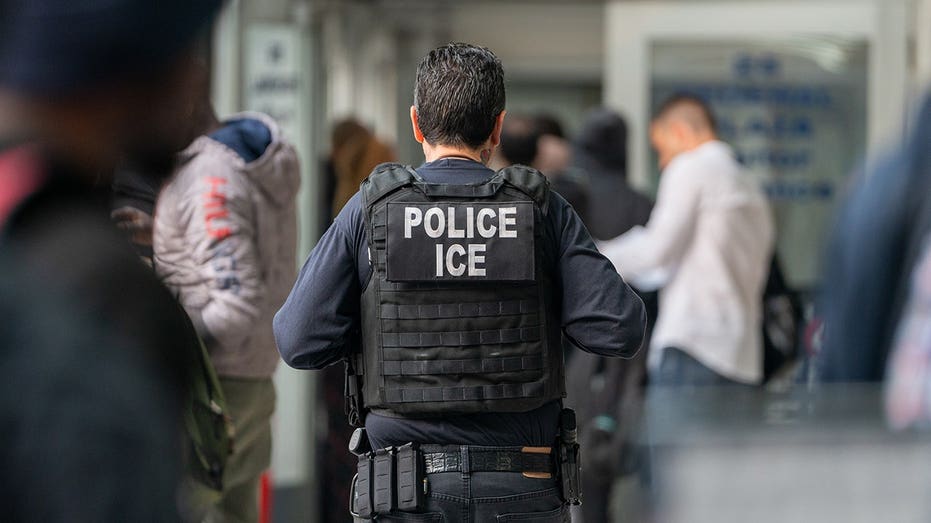
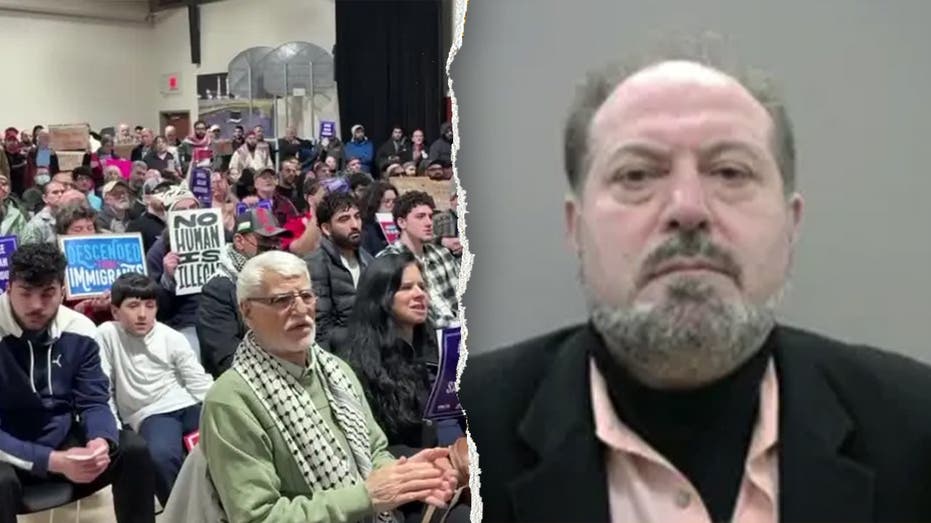
According to the U.S. Immigration and Customs Enforcement (ICE), Salah Salem Sarsour, a Jordanian national and longtime leader within the Islamic Society of Milwaukee, was taken into custody during a targeted enforcement action conducted in coordination with the U.S. Marshals Service. The arrest stems from allegations that Sarsour failed to disclose a prior conviction in Israel related to attacks on Israeli targets.
Officials with the Department of Homeland Security (DHS) say the case centers not only on Sarsour’s past actions abroad, but on what they characterize as fraudulent misrepresentations made during his immigration process in the United States.
What Federal Authorities Are Alleging
In a public statement, DHS alleged that Sarsour was previously convicted in Israel for offenses that included throwing a Molotov cocktail at the homes of Israeli armed forces personnel and attempting to possess weapons and ammunition. These are serious criminal allegations tied to politically motivated violence.
According to DHS officials, Sarsour did not disclose that conviction when applying for U.S. immigration benefits. Federal authorities contend that this omission enabled him to receive lawful permanent resident status—commonly referred to as a green card—in 1998.
Under U.S. immigration law, applicants for permanent residency must disclose criminal convictions, including those that occur abroad. The U.S. Citizenship and Immigration Services (USCIS) outlines strict eligibility standards, and misrepresentation or fraud during the application process can result in removal proceedings, even decades later.
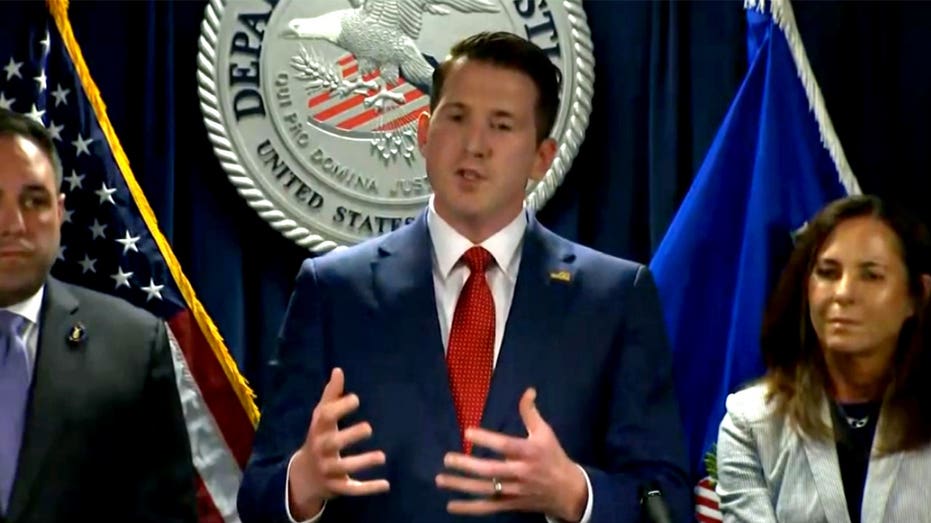
Acting Assistant Secretary for Public Affairs at DHS, Lauren Bis, stated that the government considers the prior conviction and alleged omission to be grounds for enforcement action. Federal officials further contend that immigration benefits secured under false pretenses undermine the integrity of the lawful immigration system.
The Arrest and Detention
ICE confirmed that the operation was coordinated with federal law enforcement partners and that Sarsour is currently being held at a county facility in Indiana while legal proceedings continue. Authorities have not indicated whether additional charges beyond immigration violations are being considered at this time.
Immigration enforcement actions like this typically trigger a review process before an immigration judge. If the government proves material misrepresentation or inadmissibility at the time of adjustment of status, lawful permanent residency can be revoked, potentially leading to deportation.
Supporters argue that detaining a longtime local religious and civic leader is an overreach. Federal officials, however, say the case is about enforcing the law consistently—regardless of a person’s community standing or religious position.
Who Is Salah Salem Sarsour?
Sarsour has served for approximately five years as board president of the Islamic Society of Milwaukee, the largest Islamic organization in Wisconsin. The mosque and community center are influential within the state’s Muslim community, providing religious services, educational programs, and community outreach efforts.
During his tenure, Sarsour was known for his vocal advocacy on issues concerning Palestinian rights and U.S. foreign policy in the Middle East. His supporters maintain that his activism may have drawn scrutiny from federal authorities.
However, DHS officials insist that their action is based solely on immigration law and alleged disclosure failures—not political advocacy.
Supporters Rally, Claim Political Targeting
Shortly after news of the detention became public, supporters organized a news conference that drew religious leaders and community activists from across Milwaukee. Attendees chanted in support of Sarsour and called for his immediate release.
Othman Atta, one of Sarsour’s attorneys, told the crowd that his client was unfairly targeted and suggested the case was politically motivated. Supporters argue that Sarsour’s detention represents a broader pattern of aggressive immigration enforcement that they say disproportionately impacts Muslim and Arab community leaders.
The Islamic Society of Milwaukee has launched a fundraising campaign to support his legal defense. Organizers argue that the case goes beyond one individual and reflects what they describe as a wider crackdown on immigrant communities.
Meanwhile, the Evangelical Lutheran Church in America (ELCA)’s Greater Milwaukee Synod bishop, Rev. Paul D. Erickson, publicly criticized the detention. He described it as part of what he sees as a troubling trend of targeting individuals who hold dissenting views.
Local Officials Weigh In
Milwaukee Mayor Cavalier Johnson also expressed opposition to the detention. In public remarks and social media posts, he described Sarsour as a lawful permanent resident and questioned whether sufficient evidence justified the enforcement action.
The city government, led by Johnson, has not taken formal legal action in the case. However, the mayor’s public stance highlights a familiar divide between federal immigration enforcement agencies and local officials in so-called immigrant-friendly jurisdictions.
Milwaukee’s official city government information can be found through the City of Milwaukee website, though immigration enforcement remains primarily a federal responsibility.
The Legal Stakes: Immigration Fraud and National Security
At the heart of this matter is a critical question: Can an individual who allegedly concealed a violent conviction abroad maintain lawful permanent residency in the United States?
U.S. immigration law treats fraud or willful misrepresentation very seriously. If an applicant omits material information—particularly concerning criminal conduct—it may serve as grounds for removal, even decades after the fact. The government’s burden will be to prove both the existence of the conviction and that it was intentionally concealed.
This case also intersects with broader national security concerns. The federal government routinely screens immigration applicants for ties to violent activity or terrorism-related conduct. Even actions that occurred outside U.S. territory can have immigration consequences if deemed serious enough.
Critics of current enforcement practices argue that reopening decades-old immigration cases creates legal uncertainty for lawful residents. Supporters of strict enforcement counter that national security and the rule of law require accountability, regardless of how much time has passed.
A Broader Immigration Enforcement Debate
The arrest of a high-profile religious leader touches on sensitive political terrain. The United States has long grappled with balancing religious freedom and free expression against national security and immigration enforcement concerns.
According to DHS and ICE, immigration enforcement actions are guided by statutory mandates passed by Congress. When fraud or criminal ineligibility is discovered, agencies argue they are obligated to act.
Opponents say such enforcement actions can have a chilling effect within immigrant communities, particularly when leaders are detained. They argue that community trust suffers when long-established residents are suddenly taken into custody.
- Federal authorities maintain that immigration laws must be applied consistently.
- Supporters of Sarsour claim the action reflects political targeting.
- Local leaders express concern about federal overreach.
- National security advocates emphasize transparency and lawful vetting.
Each of these viewpoints reflects a deeper philosophical divide about what immigration enforcement should look like in modern America.
The Road Ahead: Legal Proceedings and Possible Outcomes
Sarsour’s attorneys have filed a petition seeking his release from detention while proceedings continue. In immigration cases involving alleged misrepresentation, outcomes can vary widely.
An immigration judge may determine:
- Whether the Israeli conviction is legally established.
- Whether it was material to the green card application process.
- Whether Sarsour intentionally concealed it.
- Whether any waivers or forms of relief are available.
If the government prevails, lawful permanent resident status could be revoked. If Sarsour’s legal team successfully challenges the evidence or materiality of the alleged omission, he could retain his status.
Appeals through the immigration court system and possibly federal courts could follow, meaning the case may stretch out over months—or even years.
The Bigger Picture for America
This case underscores a fundamental tension in American governance: how to honor the nation’s long-standing tradition as a land of opportunity while maintaining clear, enforceable immigration standards.
The United States admits hundreds of thousands of lawful permanent residents each year. That system depends on transparency and truthfulness from applicants. When accusations arise that the process was manipulated, it raises legitimate questions about oversight, security, and fairness to those who follow the rules.
A functioning immigration system requires both compassion and integrity. Without integrity, public trust erodes.
For supporters of strict immigration enforcement, this case demonstrates that no individual—regardless of title, prominence, or political backing—is above the law. For critics, it represents what they see as excessive scrutiny or selective enforcement.
Why This Story Matters
The detention of the president of Wisconsin’s largest mosque is not merely a local news item. It is a national story that touches on immigration policy, national security vetting, religious freedom, political activism, and the rule of law.
The outcome will likely influence how similar cases are handled in the future and could shape policy debates about disclosure requirements and long-term enforcement authority.
As the legal process unfolds, Americans should expect transparency, due process, and impartial adjudication. That is how constitutional governance is supposed to function—through established legal channels, not emotion or speculation.
Whatever one’s views on immigration enforcement, one point remains clear: the integrity of the legal immigration system is essential to preserving the public’s confidence in it. The courts will now determine whether those standards were upheld—or violated—in this high-profile case.
Wake Up America News will continue following developments as federal proceedings advance.