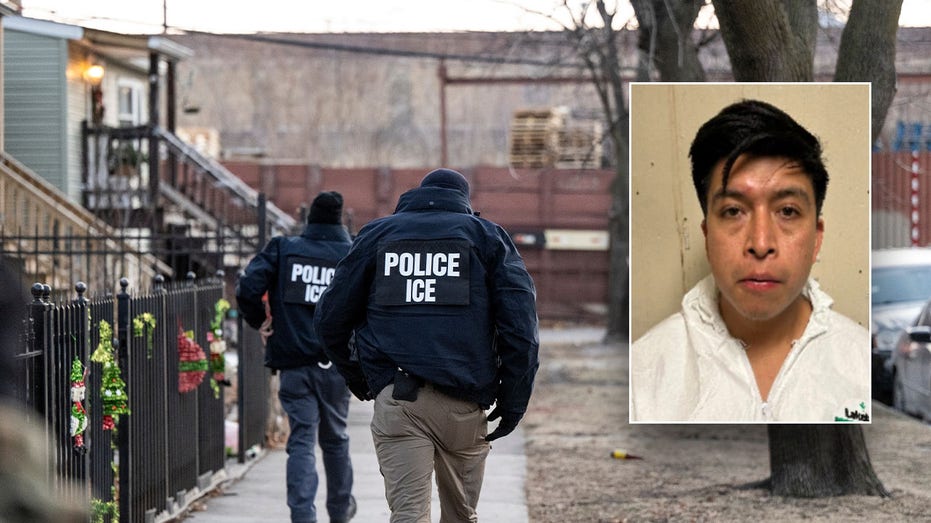
Illegal Immigrant Babysitter Charged With Rape of 5-Year-Old on Long Island, Federal Authorities Say
A Guatemalan national who was in the United States illegally is now facing serious felony charges after authorities say he sexually assaulted a 5-year-old girl he had been babysitting on Long Island, New York. Federal officials confirmed that the suspect, 27-year-old Carlos Aguilar Reynoso, has been formally charged with rape and other violent offenses following an investigation involving both local law enforcement and federal immigration authorities.
The case has ignited renewed concerns about immigration enforcement, sanctuary policies, and cooperation between local police departments and U.S. Immigration and Customs Enforcement (ICE). Officials at the Department of Homeland Security (DHS) say coordination between agencies was critical in ensuring the suspect was not released back into the community while evidence was gathered.
Serious Charges Filed After Investigation Advances
According to DHS, Reynoso is now charged with:
- Predatory sexual assault against a child
- Vaginal sexual contact with a child
- Sexual abuse
- Acting in a manner injurious to a child
- Resisting arrest
These charges represent a significant escalation from the initial child endangerment accusation that was filed shortly after the alleged assault. Authorities say the more severe charges followed the processing of forensic evidence, including DNA analysis.
The investigation involved local law enforcement agencies on Long Island, including the Suffolk County Police Department, alongside federal immigration officials. DHS stated that cooperation between agencies was critical to keeping the suspect in custody as evidence was developed.
How the Incident Unfolded
Authorities say Reynoso had been babysitting the young girl as a favor to her mother. On February 1, after returning home from work, the child’s mother allegedly found her daughter bleeding. Alarmed and fearing the worst, she immediately brought the child to a hospital for emergency care.
Medical personnel identified injuries consistent with sexual abuse, prompting immediate involvement from law enforcement. The case quickly moved from a local child endangerment complaint to a broader criminal investigation.
Initial charges resulted in Reynoso receiving a desk appearance ticket. However, officials say local authorities simultaneously worked behind the scenes to collect forensic evidence and pursue enhanced charges.
ICE Steps In to Prevent Release
In a move that DHS officials described as necessary to protect public safety, local authorities contacted ICE to take custody of Reynoso while the larger case was being built.
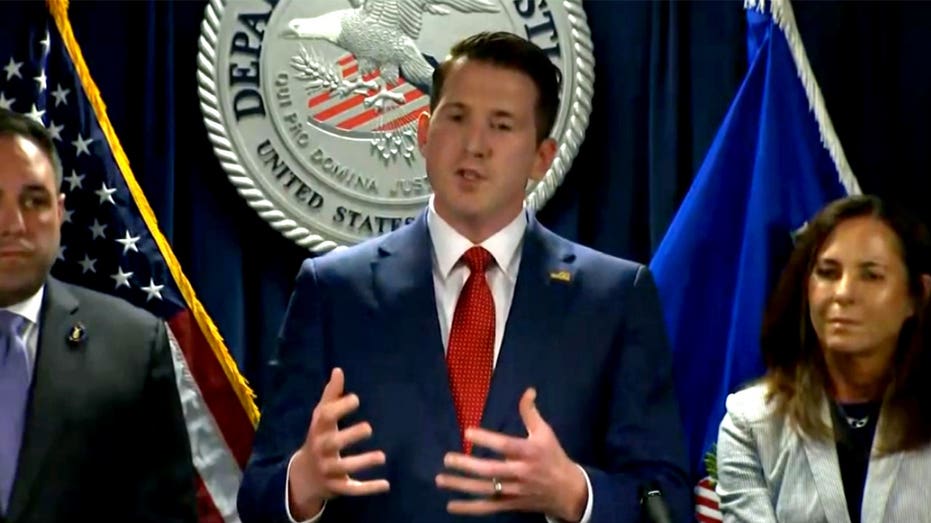
According to Acting DHS Assistant Secretary Lauren Bis, this coordination ensured that the suspect would not be released into the community during the evidentiary phase of the investigation.
“While local law enforcement processed DNA evidence and built their case, they contacted ICE to arrest this individual so he would not be released into our communities to prey on more innocent children,” Bis said in a statement released by DHS.
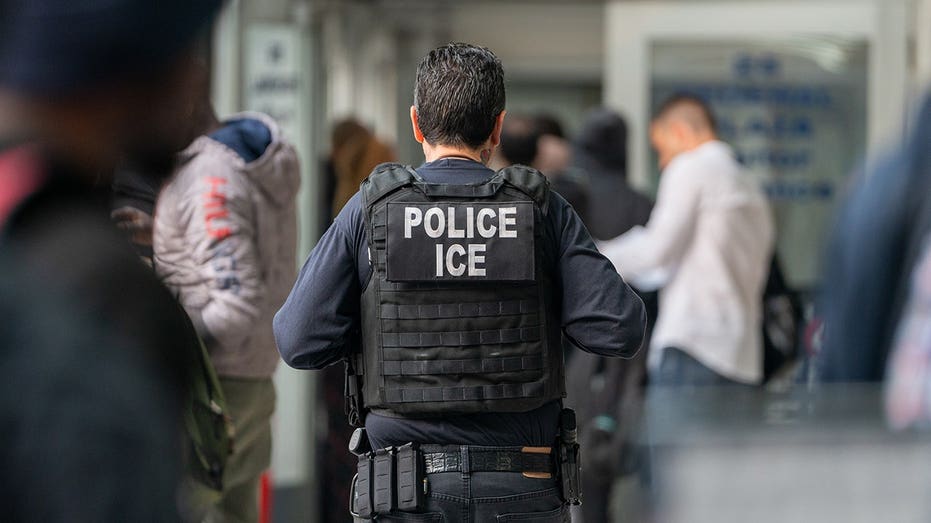
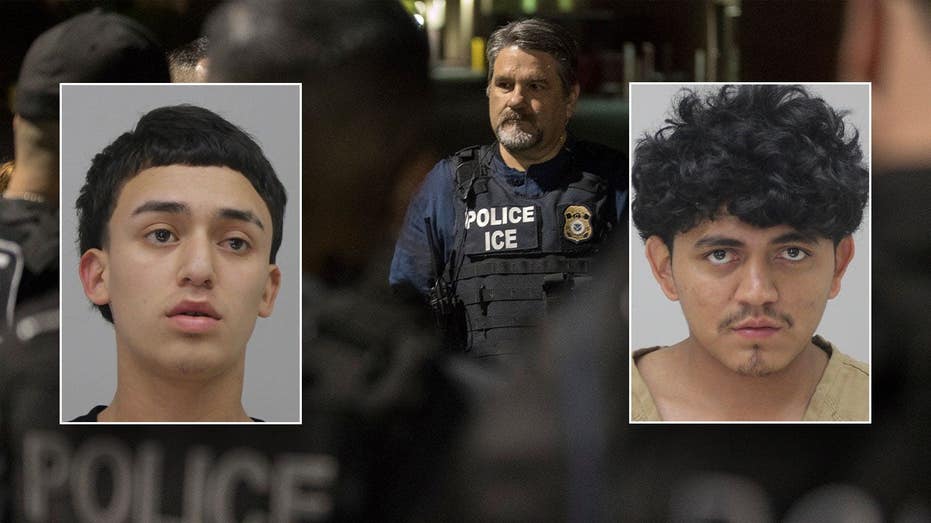
ICE officers took Reynoso into custody on February 2 as he exited a police precinct following his appearance related to the initial child endangerment charge. Federal immigration detention ensured he remained confined while prosecutors strengthened their case.
Transfer Back to Local Authorities
On March 16, ICE transferred Reynoso back to local custody to face the upgraded charges. That same day, an immigration judge issued a final order of removal, according to DHS officials.
Removal proceedings are overseen by the Executive Office for Immigration Review (EOIR), which operates under the U.S. Department of Justice. A final order of removal means that once criminal proceedings conclude, the individual can be deported under federal immigration law.
Authorities say they do not yet know when Reynoso unlawfully entered the United States. His immigration history remains under review.
The Legal Gravity of the Charges
The most serious charge, predatory sexual assault against a child, carries extremely severe penalties under New York law. In many cases, a conviction can result in decades in prison or even life imprisonment.
New York State maintains strict penalties for crimes against children. The laws governing such offenses are outlined in the New York Penal Law, where sexual crimes involving minors are treated among the most serious felonies.
Child sex crimes also trigger mandatory offender registration under New York’s Sex Offender Registration Act (SORA), which is administered by the New York State Division of Criminal Justice Services. A conviction could result in lifetime monitoring and registry placement.
Federal and Local Cooperation Under Scrutiny
This case has once again placed a spotlight on immigration enforcement cooperation between federal and local authorities — a subject of intense national debate.
DHS officials emphasized that collaboration between ICE and local law enforcement helped prevent Reynoso’s release while forensic testing and charging decisions were pending.
Supporters of such cooperation argue that ICE detainers and transfers are necessary tools when individuals charged with violent crimes are noncitizens unlawfully present in the United States. They contend that immigration enforcement can serve as a backstop to local judicial processes, particularly when desk tickets or reduced charges might otherwise result in release.
Critics, meanwhile, often argue that local cooperation with ICE may discourage crime reporting in immigrant communities. However, federal officials point to cases like this as examples of why coordination matters when serious offenses are alleged.
DHS noted that many of the nation’s safest cities maintain active cooperation agreements with ICE, asserting that public safety and immigration enforcement are not mutually exclusive.
Desk Appearance Tickets and Public Safety
New York State’s bail reform laws and the broader use of desk appearance tickets have generated ongoing public safety discussions. A desk appearance ticket allows certain defendants to be released pending a court date rather than being held in custody.
In this case, Reynoso reportedly received a desk ticket on the original child endangerment charge before ICE intervened.
Proponents of stricter enforcement argue that when allegations involve young children and potential violent felonies, additional caution is warranted. They say federal cooperation can provide an added layer of community protection.
Immigration Status and Criminal Accountability
While the criminal justice system will ultimately determine guilt or innocence based on evidence presented in court, the suspect’s immigration status has amplified public attention.
Under federal law, individuals who enter the United States unlawfully may be subject to detention and removal proceedings. ICE Enforcement and Removal Operations (ERO), a division of ICE, is responsible for apprehending and removing individuals deemed removable under the Immigration and Nationality Act.
A final order of removal does not override criminal proceedings. Instead, it typically means that once criminal charges are resolved and any sentence served, federal authorities can execute deportation.
The Broader National Context
Crimes committed against children remain among the most emotionally and politically charged issues in the country. When such cases intersect with immigration enforcement debates, they often become flashpoints in broader national discussions.
Federal officials frequently cite cases involving violent offenses as evidence that stricter border enforcement and interior immigration enforcement are necessary. According to DHS, maintaining custody of individuals accused of serious crimes prevents repeat offenses while cases proceed through the courts.
The issue of border security and unlawful entry remains central to federal immigration policy. The responsibilities of border and immigration enforcement primarily fall under agencies within DHS, including U.S. Customs and Border Protection (CBP) and ICE.
Advocates for tighter border controls argue that better tracking and enforcement mechanisms could prevent some dangerous individuals from entering or remaining in the country unlawfully in the first place.
Community Impact and Child Protection
Beyond policy debates, the most immediate consequence of this case is the trauma experienced by a young child and her family. Child advocacy organizations routinely stress the importance of swift medical care, forensic evaluation, and therapeutic support for victims of sexual abuse.
Law enforcement agencies typically collaborate with child advocacy centers to ensure that investigations are handled with sensitivity while preserving critical evidence.
Cases involving young victims often rely heavily on forensic medical examinations and DNA evidence. Prosecutors generally build such cases meticulously, especially when charges escalate to higher-level felonies.
What Happens Next
Reynoso will now face prosecution in New York State court on the upgraded charges. If convicted on the most serious counts, he could face decades behind bars.
Following the resolution of criminal proceedings, federal authorities would be positioned to carry out the existing removal order, potentially deporting him to Guatemala.
Until then, the case will proceed through the state judicial system, where prosecutors must prove the allegations beyond a reasonable doubt.
A Renewed Focus on Enforcement
For many Americans, this case underscores ongoing concerns about border integrity, immigration enforcement, and community safety. It also highlights the importance of coordination between local and federal authorities when serious crimes are alleged.
DHS officials have pointed to this case as an example of proactive intervention — ensuring that a suspect accused of harming a child was not released during the investigative process.
As the legal case unfolds, many will be watching closely — not only for justice for the victim, but also for what the case may signal about the future of immigration enforcement cooperation nationwide.
In the end, the central priority remains clear: protecting America’s children, upholding the rule of law, and ensuring that those accused of violent crimes are held accountable through the judicial process.