Felony Charges Rock LAUSD as Prosecutors Allege $22 Million “Pay-to-Play” Scheme Drained Student Funds
A sweeping corruption case is unfolding in Southern California after prosecutors announced felony charges in what they describe as one of the largest alleged money-laundering schemes in the history of the Los Angeles Unified School District (LAUSD). At the center of the scandal are a former district technology manager and a private tech executive accused of orchestrating a multi-year scheme that allegedly steered more than $22 million in taxpayer-funded contracts into the hands of a preferred vendor.
According to the Los Angeles County District Attorney’s Office, the arrangement amounted to a classic “pay-to-play” operation—one that lawmakers have long warned can flourish in large bureaucracies when oversight is weak and transparency is lacking.
If the allegations are proven in court, the case will stand as another sobering reminder that public dollars intended for America’s schoolchildren can become targets for greed and self-enrichment when accountability fails.
Who Is Accused — And What Are the Charges?
Prosecutors have charged Hong “Grace” Peng, a former LAUSD technical project manager, and Gautham Sampath, the owner of a technology company known as Innive, with multiple felonies tied to the alleged scheme.
Peng, a resident of Pasadena, is accused of money laundering and unlawfully holding a financial interest in government contracts—both serious offenses under California law designed to prevent conflicts of interest in public service. Sampath, of Flower Mound, Texas, faces similar charges, as well as an additional count of aiding and abetting a public official.
Authorities allege the misconduct occurred between 2018 and 2022 and revolved around contracts connected to LAUSD’s student data infrastructure.
Investigators claim that:
- More than $22 million in contracts were directed to Sampath’s firm.
- Over $3 million was allegedly funneled back to Peng through intermediaries.
- Private messages between the two included discussions about securing contracts, transferring funds, and deleting communications.
An arrest warrant has been issued for Peng. Sampath is reportedly facing extradition proceedings to California. If convicted, both defendants could face up to seven years in county jail.
The My Integrated Student Information System (MiSiS) at the Center
The contracts in question were allegedly tied to LAUSD’s My Integrated Student Information System, commonly known as MiSiS. The system serves as a central digital platform for grading, attendance tracking, scheduling, and maintaining student academic records across one of the largest school districts in the nation.
LAUSD’s MiSiS platform is a crucial operational backbone for the district, which serves hundreds of thousands of students. Information about the system is available through the district’s official website here: LAUSD MiSiS.
Because such systems manage sensitive student data and impact daily classroom operations, they involve high-dollar contracts for development, maintenance, and support services. Technology contracts within massive public school systems often reach into the tens of millions of dollars—making them attractive targets for potential corruption when adequate oversight is not maintained.
According to prosecutors, Peng allegedly played a key role in influencing the awarding and management of contracts connected to MiSiS, directing work to Innive in violation of California conflict-of-interest laws.
“Blatant Abuse of Public Trust,” Says District Attorney
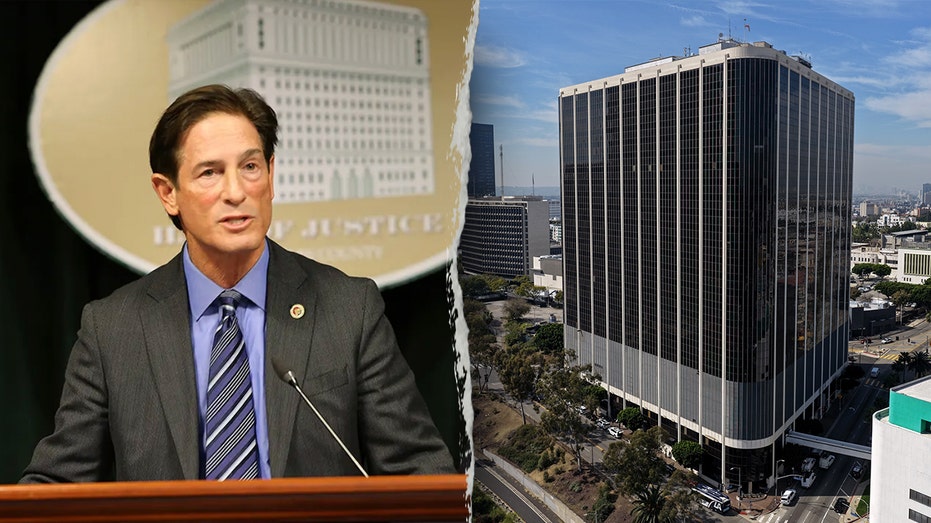
Los Angeles County District Attorney Nathan Hochman described the alleged scheme as a direct betrayal of students and taxpayers alike.
“This case involves a blatant abuse of public trust — funneling taxpayer dollars intended for students into personal coffers,” Hochman said in a public statement. “This vendor, working with an LAUSD project manager, allegedly carried out a multi-year, multi-contract pay-to-play arrangement that siphoned millions of dollars from our schools.”
The district attorney’s office emphasized that taxpayer money allocated for education is intended for classroom resources, teacher support, and student achievement—not private enrichment.
California law specifically prohibits public officials from having a financial interest in contracts they influence. These restrictions exist to prevent exactly the type of alleged self-dealing described in this case. Conflict-of-interest standards are codified under various sections of state law, including provisions related to public contract integrity.
Search Warrants, Resignation, and Ongoing Investigation
The investigation reportedly accelerated in late 2022, when authorities executed search warrants at Peng’s home and workplace. Such investigative actions typically involve coordination between local prosecutors and law enforcement agencies, and in large financial cases may also involve federal authorities such as the Federal Bureau of Investigation (FBI).
Shortly after the search warrants were executed, Peng resigned from LAUSD.
Prosecutors allege that digital communications between the two defendants reveal awareness of potential wrongdoing, including references to securing contracts and deleting messages. While those details will ultimately be tested in court, they suggest investigators believe the alleged coordination was deliberate and sustained.
Meanwhile, authorities have stated that Innive and Sampath continue to hold government contracts both within California and nationwide—a detail likely to draw further scrutiny as the case progresses.
The Scale of LAUSD — And Why Oversight Is Critical
The Los Angeles Unified School District is the second-largest public school district in the United States, serving hundreds of thousands of students across Los Angeles County. Its massive size means its annual budget runs into the billions of dollars.
With such scale comes enormous responsibility—and significant vulnerability. Public school systems nationwide manage:
- Complex IT infrastructures
- Technology modernization projects
- Compliance requirements tied to state and federal funding
- Private vendor contracts that can last years
When oversight systems fail, even a small group of individuals can redirect millions of dollars away from classrooms.
Public education funding frequently includes state allocations as well as federal funding streams overseen by agencies like the U.S. Department of Education. While this case appears to center on district-level contracts, any misuse of public education funds undermines broader trust in the system.
LAUSD’s Official Response
In response to the charges, LAUSD released a statement acknowledging the case and affirming its commitment to legal compliance.
The district stated that it expects its employees and business partners to adhere to the highest standards of ethics and integrity and pledged to cooperate fully with relevant authorities.
Such public assurances are standard in cases involving alleged internal corruption. Yet for many parents and taxpayers, questions will remain about how the alleged misconduct persisted for years before charges were filed.
A Broader Pattern of Public Corruption Cases
The LAUSD case does not exist in isolation. In recent years, Los Angeles County and the broader state of California have seen multiple public corruption prosecutions involving elected officials and public administrators.
While each case differs in scope and facts, they collectively highlight systemic risks in large governmental institutions where:
- Long-term vendor relationships become entrenched.
- Oversight processes can grow complex and opaque.
- Internal controls may not always keep pace with rapid technological expansion.
Public contract integrity laws are designed precisely to guard against these risks. But enforcement depends heavily on whistleblowers, investigative journalists, and proactive law enforcement.
The Human Cost: Students and Families
At its core, the alleged scheme represents more than line items on a balance sheet. Every dollar misused is a dollar diverted from students who depend on public schools for opportunity and advancement.
Technology systems like MiSiS play a central role in managing grades, tracking attendance, and supporting educational outcomes. Any corruption associated with those systems can disrupt services—or at minimum erode trust among teachers, parents, and administrators.
Families expect that money earmarked for:
- Educational technology upgrades
- Cybersecurity protections for student data
- Teacher support tools
- Administrative efficiency
will be used solely to benefit students—not enrich individuals operating behind the scenes.
Legal Road Ahead
As of now, court dates have not been set. Both defendants are presumed innocent unless and until proven guilty in a court of law.
The extradition process for Sampath could take time. Extradition between states follows established legal procedures designed to ensure defendants’ rights are preserved while enabling prosecution in the charging jurisdiction.
Financial crime cases of this scale often involve extensive forensic accounting, digital evidence analysis, and testimony from compliance experts. They can take months—or even years—to resolve fully.
Why Accountability Matters
This case underscores a principle that resonates across political lines but holds particular importance for taxpayers: government accountability is not optional.
Americans work hard for their paychecks. A portion of that income is redirected to fund public services—especially public education, which remains one of the most generously funded and politically sensitive sectors in government spending.
When officials allegedly exploit their positions for personal gain, it damages:
- Public confidence in institutions
- Support for future education funding
- Trust between families and school officials
District Attorney Hochman’s message was clear: public officials who sell out their responsibilities—and contractors who manipulate the system—will face prosecution.
A Wake-Up Call for Oversight Nationwide
While the alleged misconduct occurred in Los Angeles, the implications extend nationwide. School districts across America are investing heavily in digital infrastructure, cybersecurity, and cloud-based student data systems.
These large-scale IT projects carry inherent risks:
- Rapid procurement processes can outpace review mechanisms.
- Technical complexity can limit scrutiny to a small pool of insiders.
- Vendor relationships can become insulated from competition.
This case may prompt school districts across the country to review conflict-of-interest policies, enhance independent auditing procedures, and strengthen safeguards against internal manipulation.
Restoring Trust in Public Education
Ultimately, the integrity of America’s public school systems depends not only on funding levels but on ethical leadership. Parents need confidence that education dollars are reaching classrooms—not disappearing into backroom arrangements.
The coming legal proceedings will determine the validity of prosecutors’ allegations. But regardless of outcome, the scandal serves as a sober reminder that oversight, transparency, and enforcement are essential pillars of the American system.
As this case unfolds, citizens of Los Angeles—and taxpayers nationwide—will be watching closely to see whether justice is carried out and whether reforms follow.
When it comes to safeguarding funds meant for children, Americans expect nothing less than full accountability.