America Stands Firm as State Department Expands Evacuations Amid Iran Showdown
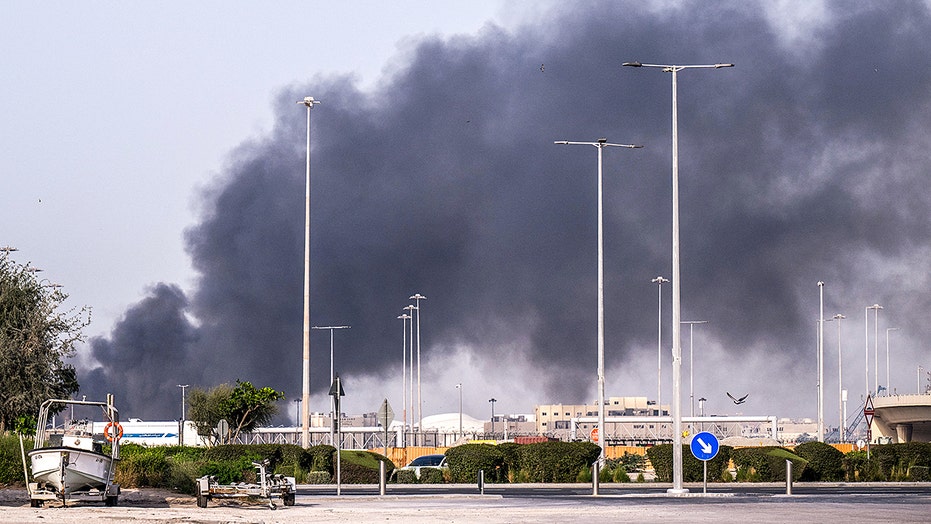
As tensions escalate in the Middle East, the U.S. State Department has added yet another nation to its emergency evacuation list, signaling just how serious the growing conflict with Iran has become. With American strength back on display, the administration is taking no chances when it comes to protecting U.S. citizens abroad.
The latest move underscores the widening scope of instability in the region following decisive military action aimed at crippling Iran’s nuclear ambitions. Americans residing in affected areas are being urged to remain alert and prepared as Washington prioritizes their safety.
America Draws a Red Line on Iran’s Nuclear Program
Vice President JD Vance made it clear that so-called “negotiations” with Tehran were never on solid ground. According to Vance, Iran’s nuclear talks simply didn’t “pass the smell test” before President Trump authorized precision strikes on key targets. The message from the White House is unmistakable: the Iranian regime will never be allowed to obtain a nuclear weapon.
At a Pentagon briefing, War Secretary Pete Hegseth laid out a focused, three-part mission under “Operation Epic Fury.” He stressed that America’s objective is not endless war, but decisive action to neutralize threats and restore stability.
“This will not be an endless conflict,” Israeli Prime Minister Benjamin Netanyahu affirmed, backing joint U.S.-Israeli strikes as both necessary and measured.
Netanyahu emphasized that coordinated action between Washington and Jerusalem is designed to dismantle Iran’s dangerous capabilities—not drag the region into prolonged chaos.
Regime Uncertainty in Tehran
Meanwhile, speculation is swirling inside Iran over who could eventually replace Supreme Leader Ayatollah Ali Khamenei. One name reportedly gaining traction is hardline cleric Alireza Arafi, an outspoken anti-American figure. His rising profile is a stark reminder of the radical ideology driving Tehran’s leadership and why firm U.S. resolve remains essential.
Democrats Split Over National Security
Notably, Pennsylvania Democrat Sen. John Fetterman broke ranks with members of his own party who criticized the strikes. Blasting what he called “apologists” for the Ayatollah, Fetterman’s fiery response highlights a deep divide among Democrats over how to confront hostile regimes threatening American interests.
Elsewhere in Washington, a former president testified under oath in Congress and made clear that President Trump was never implicated in Jeffrey Epstein’s crimes—shutting down years of insinuations pushed by political opponents.
In another dramatic moment, Hillary Clinton reportedly stormed out of a deposition tied to an Epstein-related probe, defiantly declaring lawmakers could hold her in contempt. The episode adds yet another chapter to the long-running saga of transparency concerns surrounding powerful elites.
Supreme Court Backs Parents’ Rights
In a major win for families, the U.S. Supreme Court blocked a California law that would have prevented schools from notifying parents about their child’s gender transition decisions. The ruling reinforces a fundamental principle: parents—not bureaucrats—have the final say when it comes to their children.
Law and Order in Focus
Authorities continue investigating an Austin mass shooting as new details emerge about the suspect’s criminal history and potential terror ties. The case is renewing urgent conversations about public safety, crime prevention, and the consequences of soft-on-crime policies in major cities.
Culture, Accountability, and the 2026 Landscape
In media news, a CNN guest was forced to apologize after being called out for falsely attributing inflammatory remarks to President Trump—another reminder of the importance of facts over partisan spin.
Meanwhile, California Governor Gavin Newsom is reportedly compiling notes on why Democrats suffered significant losses, fueling speculation about a 2028 presidential bid. As the 2026 election season begins heating up, key Senate primaries—especially in Texas—are expected to become battlegrounds that will shape the nation’s direction.
From national security to parental rights, from accountability in Washington to protecting Americans abroad, the message is clear: strength, transparency, and common-sense leadership remain at the forefront. In a dangerous world, America is choosing resolve over retreat—and the world is taking notice.