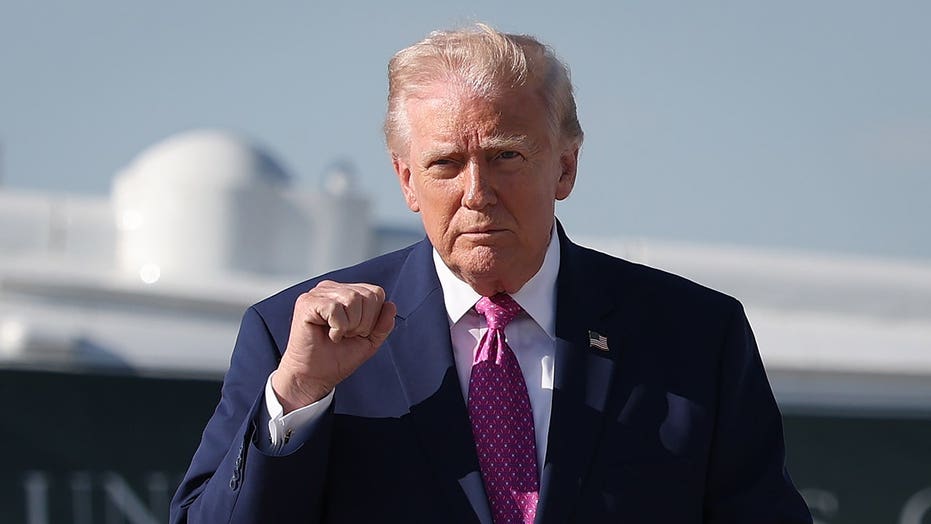
Trump Signals Iran Conflict Nears End as America’s Strategy Reshapes the Global Stage
President Donald J. Trump is projecting confidence that the escalating conflict with Iran is “very close to being over,” marking what could become a defining moment in his administration’s national security legacy. After weeks of mounting tension in the Middle East, the president indicated that U.S. pressure—military, diplomatic, and economic—has brought Tehran to the brink.
For millions of Americans watching closely, the stakes could not be higher. Global energy markets, the safety of U.S. service members, and the strength of American deterrence all hang in the balance. Now, as the White House signals a possible turning point, many are asking: What changed?
What Led to This Moment?
The confrontation traces back to renewed hostilities involving Iran’s military forces and Iran-backed militias operating across the Middle East. The administration responded by tightening sanctions, reinforcing naval assets in the region, and leaning heavily on its strategic alliance with Israel.
Central to the showdown is the Strait of Hormuz, one of the most strategically vital waterways in the world. According to the U.S. Energy Information Administration, roughly 20% of global petroleum liquids consumption passes through this narrow corridor. Any threat there ripples instantly through global oil prices and American household budgets.
President Trump’s strategy has included:
- Deploying additional U.S. naval forces to the region.
- Reasserting sanctions aimed at crippling Iran’s energy exports.
- Sending direct warnings to Tehran against further military escalation.
- Demonstrating visible coordination with key allies.
The administration’s argument is straightforward: overwhelming pressure now prevents a larger war later.
American Sea Power on Full Display
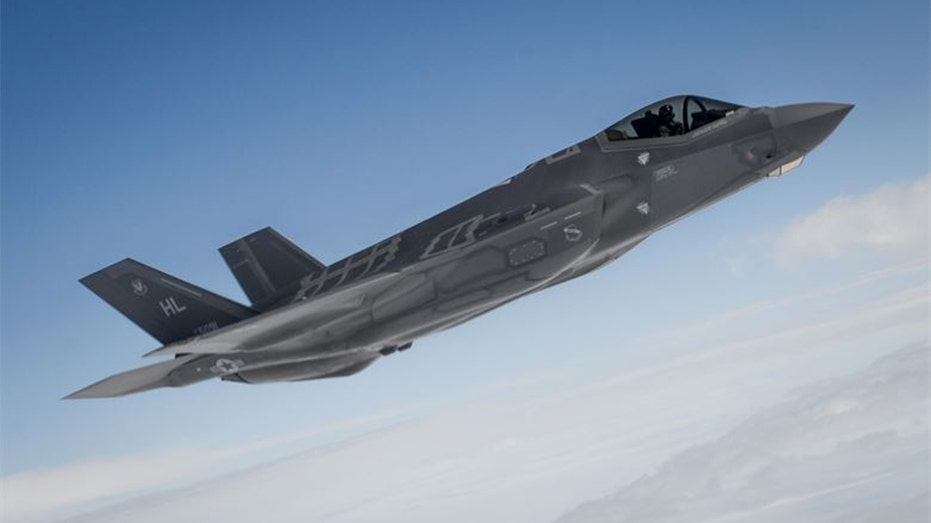
Observers note that the presence of the U.S. Navy in the Persian Gulf has been a decisive factor. Carrier strike groups and supporting assets have reinforced America’s posture as the guarantor of global shipping security.
For decades, freedom of navigation has been a cornerstone of U.S. foreign policy. The Pentagon’s official position, outlined by the U.S. Department of Defense, emphasizes protecting international waterways from coercion or disruption.
This moment echoes previous standoffs in the region, but with a sharper tone. The administration insists that deterrence works only when backed by credible force. Critics warn of escalation. Supporters counter that hesitation invites aggression.
Trump’s recent remarks suggest he believes Tehran understands the cost-benefit analysis has shifted.
Italy Rift Raises Eyebrows
While foreign policy efforts intensify in the Middle East, a separate diplomatic rift has flared closer to home. President Trump publicly criticized Italian Prime Minister Giorgia Meloni, calling her approach to certain alliance matters “unacceptable.”
Italy, a NATO member and longstanding partner of the United States under the North Atlantic Treaty Organization, plays a meaningful role in European security. A disagreement between two right-leaning leaders surprised some analysts.
Though details remain fluid, the disagreement reportedly centers on coordination related to Middle East policy and strategic cooperation. Public disputes among allies are rare, but not unheard of. The Trump administration has consistently prioritized burden-sharing within NATO and expects partners to align with American national interests.
Whether the spat proves temporary or signals a broader alliance recalibration remains to be seen.
Political Fallout on Capitol Hill
Back home, political tensions are mounting in Washington. A longtime ally of Representative Eric Swalwell has reportedly distanced himself amid swirling allegations and mounting scrutiny.
Five accusers and significant internal pressure ultimately culminated in a resignation, shaking Democratic ranks. For Republicans, the episode underscores what they describe as a pattern of ethical controversies within progressive circles.
The developments come at a moment when trust in Congress remains historically low. According to data periodically tracked by institutions like Gallup, public confidence in legislative institutions has fluctuated sharply in recent years.
Voters heading toward the next election cycle may view internal fractures as a key signal of broader party instability.
Judicial Battles Over Immigration Policy
Another high-stakes fight is unfolding in the courts over deportation policy. An appeals court recently blocked a lower court ruling in a case involving immigration enforcement, a move hailed by administration allies.
The U.S. Courts system has become a major battleground for executive authority. Immigration enforcement falls under the purview of agencies such as U.S. Immigration and Customs Enforcement (ICE), which has been central to ongoing legal disputes over removals and border enforcement.
Republicans argue that activist judges are overstepping constitutional boundaries. Democrats counter that judicial oversight protects civil liberties. The appeals court decision signals that higher courts may be more receptive to the administration’s reading of executive power.
Questions Surround Georgia Pay-to-Play Allegations
In Georgia, allegations involving a former Biden administration official have sparked demands for accountability in a heated statewide race. GOP lawmakers are pressing for answers about potential “pay-to-play” fundraising tactics.
The controversy adds another layer to political tensions in a state that has become one of the nation’s most competitive battlegrounds. Oversight responsibilities often fall to investigative bodies and, where appropriate, the U.S. Department of Justice.
Ethics in campaign finance remain a recurrent flashpoint in American politics. Transparency advocates argue that sunlight is the best disinfectant, while critics say enforcement often becomes politically selective.
Media and Culture Collide
In cultural news, television personality Joy Behar faced swift correction after claiming that Jesus did not identify himself as the Messiah. The debate quickly caught fire across social media platforms.
Christian theology holds that Jesus’ messianic identity is central to the faith. Institutions such as Encyclopaedia Britannica outline the doctrinal foundations surrounding the concept of the Messiah in Christian belief.
For many Americans, faith remains a cornerstone of daily life. Public commentary that appears dismissive or historically inaccurate often triggers strong reactions, especially in a country where religious liberty is protected under the First Amendment.
The episode highlights the growing intersection of politics, culture, and faith in national discourse.
Violence at ICE Protest Raises Concern
A reporter affiliated with Turning Point USA was allegedly attacked while covering an ICE protest, raising fresh concerns about rising political hostility. America’s tradition of peaceful protest, protected by the Constitution, does not extend to violence or intimidation.
Law enforcement agencies at the local and federal levels are tasked with ensuring public safety during demonstrations. When tensions spill into physical confrontations, it fuels fears that political disagreements are escalating into something more dangerous.
The health of a constitutional republic depends on civil engagement—not mob tactics.
Severe Weather Sparks Highway Disaster
A massive 75-vehicle pileup turned a major Colorado highway into a scene of chaos amid hazardous winter conditions. The incident serves as a stark reminder of how quickly weather can overwhelm even modern infrastructure.
The National Weather Service regularly warns drivers about treacherous road conditions during snow and ice events. Multi-vehicle collisions often occur when reduced visibility and slick pavement combine with high traffic volume.
Emergency responders worked tirelessly to clear the wreckage and treat injured motorists. As weather extremes appear increasingly common, infrastructure resilience and individual preparedness remain top priorities.
Medical Mishap Leads to Criminal Charges
In Florida, a physician has been charged after allegedly removing the wrong organ during surgery—an accusation that has stunned the local community. Medical errors, though statistically rare relative to the volume of procedures performed nationwide, can have devastating consequences.
Hospitals and surgical centers are governed by strict standards enforced by agencies such as the U.S. Department of Health & Human Services. When those standards fail, legal accountability often follows.
The case underscores the importance of transparency, oversight, and patient advocacy within the American healthcare system.
Tech Giants and the Rise of AI Personas
Meanwhile in Silicon Valley, reports indicate that Meta may be developing an artificial intelligence version of CEO Mark Zuckerberg for internal engagement. The concept of AI-driven corporate avatars reflects how rapidly artificial intelligence is reshaping communication.
As companies integrate advanced AI into daily operations, ethical considerations grow more complex. The debate spans everything from workplace transparency to the boundaries between automation and authenticity.
America has long led the world in technological innovation. Ensuring that leadership aligns with ethical standards will define the coming decade.
Sports, Culture, and Everyday America
Amid geopolitical tension and political upheaval, everyday American culture carries on. From NFL draft speculation to rising stars in professional wrestling, sports continue to unite communities nationwide.
The Las Vegas Raiders are reportedly fielding offers related to the coveted No. 1 draft pick, fueling speculation about franchise-defining decisions. Meanwhile, independent wrestling circuits are cultivating new female champions and expanding audience reach.
Even lighter cultural trends—like viral “egg coffee”—demonstrate the internet’s power to shape consumer habits overnight. Health professionals caution moderation while acknowledging America’s appetite for novelty.
The Bigger Picture: Strength and Stability
From the Persian Gulf to the halls of Congress, the unifying theme of the moment is stability. President Trump’s assertion that the Iran conflict is nearing its end reflects a broader effort to project strength abroad while tightening discipline at home.
Supporters argue that a firm hand deters adversaries and reassures allies. Critics urge caution against overreach. Yet history suggests that uncertain leadership can invite challenges from hostile regimes.
The coming days will test whether the administration’s strategy delivers the resolution it anticipates. If the conflict truly winds down, it could reinforce the argument that decisive pressure—not prolonged appeasement—remains America’s most effective foreign policy tool.
America Watches What Comes Next
Citizens across the country are watching closely. They are monitoring gas prices, military headlines, courtroom rulings, and the tone of political discourse. They are weighing not only immediate outcomes but long-term direction.
At its core, the story is not solely about Iran or Italy or Capitol Hill disputes. It is about America’s role in the world—and whether strength, clarity, and constitutional order can prevail during uncertain times.
As President Trump signals that one major international crisis may be nearing resolution, the nation braces for the next chapter. In a volatile era, vigilance and informed citizenship remain patriotic duties.
Wake Up America News — Your Source for Patriotic News.