Clashes Erupt Outside Newark ICE Facility as Governor Demands Access
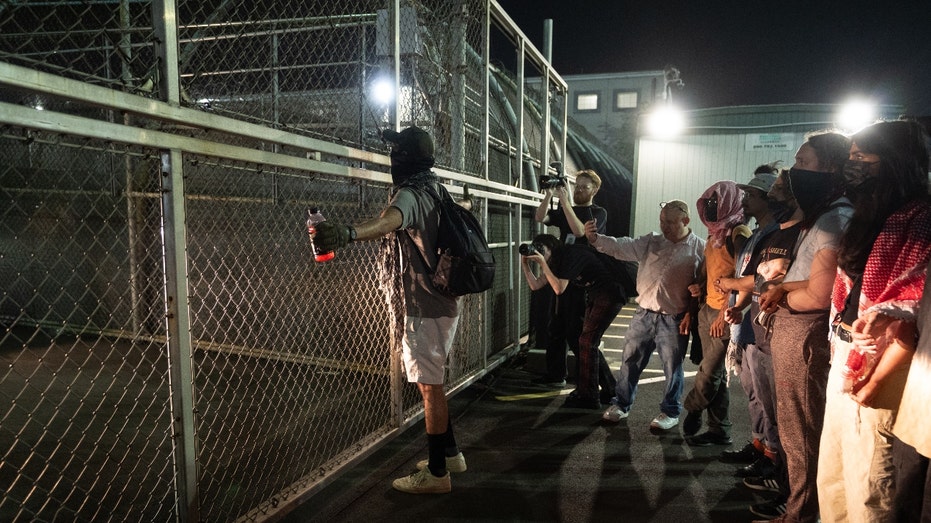
Chaos broke out Monday afternoon outside the Delaney Hall detention facility in Newark, New Jersey, as anti-ICE activists confronted federal immigration authorities and Democratic Gov. Mikie Sherrill was denied entry into the building.
The confrontation underscores a growing national battle over immigration enforcement, detention policies, and the role of states in challenging federal authority. While critics allege detainees are being held in “inhumane” conditions, federal officials insist the facility meets — and in some cases exceeds — standards applied in many American correctional institutions.
The standoff at Delaney Hall reveals more than a local dispute. It reflects the broader clash between sanctuary-state politics and the federal government’s constitutional responsibility to secure America’s borders.
Protesters Form Human Chain as Agents Respond
According to local reporting by WPIX-TV, demonstrators gathered outside the Delaney Hall Immigration and Customs Enforcement (ICE) detention site, attempting to form a human chain near the entrance. Protesters shouted slogans including “No more ICE!” and “Free them all!” while demanding expanded access and the release of detainees.
Some agitators threw water at agents and refused orders to move away from access roads, prompting ICE personnel to step in and detain multiple individuals. Videos from the scene show tense face-to-face exchanges before authorities were able to restore order.
ICE, which operates under the U.S. Department of Homeland Security (DHS), is responsible for enforcing federal immigration laws, including detaining individuals who are in the country illegally or awaiting removal proceedings. The Delaney Hall facility has become a lightning rod for progressive activists who oppose immigration detention more broadly.
Family members and advocacy groups have maintained a vigil outside the facility since Friday, intensifying the public pressure campaign.
Governor Sherrill Denied Entry
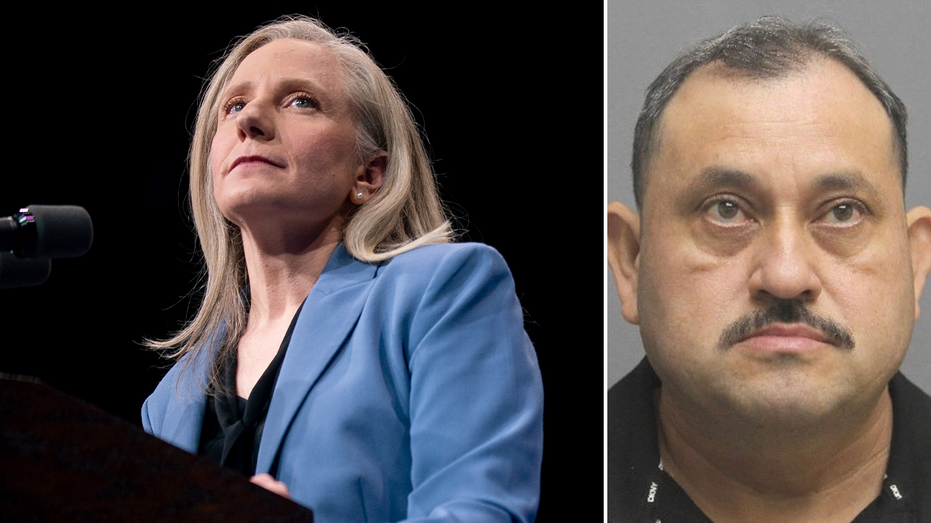
New Jersey Gov. Mikie Sherrill, a Democrat who has been outspoken in her opposition to private immigration detention centers, attempted to gain entry into Delaney Hall but was turned away, according to reports from Patch.
In a statement, Sherrill said her access request was “formally denied,” raising what she called “serious questions about what they are trying to hide from public view.”
The governor reiterated her longstanding opposition to private detention facilities and called for the closure of Delaney Hall. She also criticized a proposed immigration detention expansion in Roxbury, arguing New Jersey should not host additional large-scale federal detention sites.
However, it is important to note that immigration enforcement is a federal responsibility. Under the U.S. Constitution’s Supremacy Clause, federal law takes precedence over conflicting state policies. Immigration authority falls squarely within federal jurisdiction, as upheld repeatedly by the courts.
Governors do not automatically have the right to enter federal detention facilities without coordination or compliance with federal policy. Security protocols are standard at any detention center — whether federal, state, or local — and access is typically subject to advance approval.
Inside Delaney Hall: Detainee Letter Alleges Poor Conditions
Meanwhile, nearly 300 detainees reportedly signed a group letter describing what they characterized as “inhumane” conditions inside the facility. The letter acknowledged that the signatories entered the United States illegally but cited dangerous circumstances in their home countries as their motivation.
Among the complaints listed:
- Poor food quality
- Alleged medical neglect
- Limited family visitation
- Psychological stress from detention
The detainees described feeling “vulnerable” and claimed they were being mistreated physically and psychologically. Some have reportedly launched a hunger and labor strike in protest.
Advocacy groups have amplified these claims, arguing that private operators cut corners and fail to provide appropriate medical or nutritional services.
Federal Response: Standards Exceed Many U.S. Prisons
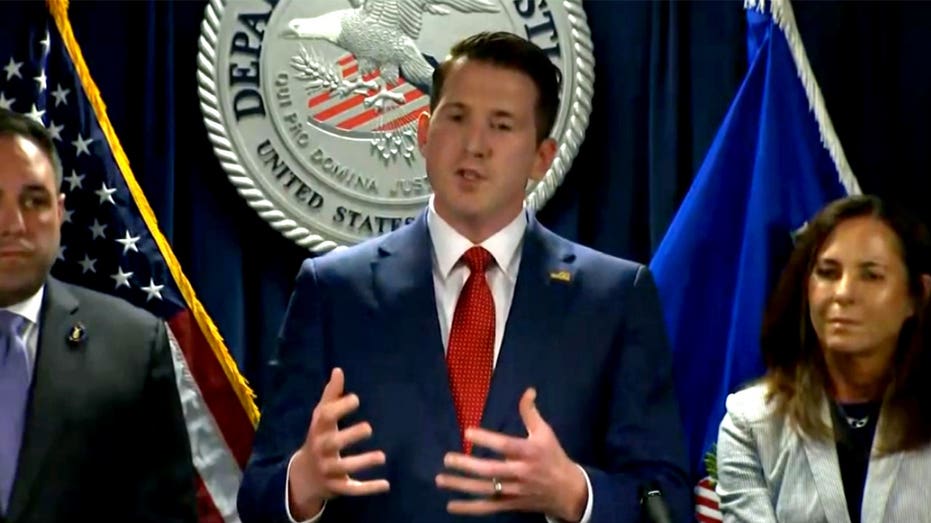
Federal officials sharply dispute the portrayal of abuse and neglect.
A DHS spokesperson told media outlets that detainees at Delaney Hall are provided:
- Three meals per day
- Clean drinking water
- Bedding and clothing
- Showers, soap, and toiletries
- Access to phones for communication with attorneys and family
According to DHS, certified dieticians evaluate meals and ensure compliance with ICE detention standards. Officials further contend that ICE detention policies often impose stricter requirements than those in many state prison systems.
“ICE has higher detention standards than most U.S. prisons that hold actual U.S. citizens,” the spokesperson said.
That comparison has sparked additional debate. Critics argue immigration detention is civil, not criminal, and therefore should not resemble incarceration. Proponents counter that individuals being held are awaiting formal immigration proceedings or removal under U.S. law and must be housed securely until resolved.
Who Is Being Held at the Facility?
In February 2025, then–DHS Assistant Secretary Tricia McLaughlin stated publicly that the facility was housing individuals accused or convicted of severe crimes, including:
- Murder
- Terror-related offenses
- Child sexual assault
- Membership in gangs such as MS-13
That claim changes the context of the current protests. While critics portray all detainees as asylum seekers or nonviolent migrants, federal officials emphasize that at least a portion of the population includes individuals accused of major criminal conduct.
ICE’s core mission includes identifying and removing non-citizens who pose public safety or national security threats. According to ICE’s own mission statement, the agency prioritizes enforcement against individuals who violate criminal laws in addition to immigration statutes.
This distinction matters. Americans may reasonably debate immigration levels and asylum policy. But the question of housing and processing individuals accused of violent crimes adds a different layer to the conversation.
Sanctuary-State Politics vs. Federal Authority
New Jersey has enacted a number of policies limiting cooperation between local law enforcement and federal immigration authorities. These measures have made the state a focal point in the national debate over “sanctuary” governance.
Supporters argue sanctuary policies build trust between immigrant communities and police. Critics counter that they interfere with federal enforcement efforts and can shield criminal offenders from removal.
The clash at Delaney Hall fits squarely within this broader political struggle. Prominent elected officials who have visited or criticized the facility include:
- U.S. Sen. Andy Kim
- Rep. Rob Menendez Jr.
- Rep. Frank Pallone Jr.
Several Democratic lawmakers have called for the facility’s closure, arguing that detention-based enforcement is fundamentally flawed.
However, unless Congress changes immigration law, ICE remains legally obligated to detain certain categories of individuals under the Immigration and Nationality Act. That includes mandatory detention provisions for specific criminal offenses.
The Human Impact — A Nation Divided
The vigil outside Delaney Hall illustrates the emotional weight of the issue. Families worry about loved ones inside. Activists portray detainees as victims of a harsh system. On the other hand, many Americans are concerned about border security, criminal activity, and respect for the rule of law.
The detainees’ own letter acknowledges they entered the United States without authorization. While they cite dangerous conditions in their home countries, the legal process for asylum requires formal adjudication — and detention during proceedings is permitted under federal statute.
This reality reflects the tension at the heart of immigration politics:
- America is a nation of immigrants.
- America is also a nation of laws.
Balancing compassion and sovereignty is an enduring challenge.
The Bigger Picture: Border Pressures and Federal Capacity
The Newark confrontation comes as the federal government continues to grapple with elevated levels of unauthorized migration nationwide. Facilities like Delaney Hall play a logistical role in processing, holding, and potentially removing individuals pending immigration hearings.
Immigration courts — overseen by the Executive Office for Immigration Review — face significant case backlogs. Prolonged detention times are often linked not only to enforcement policy but also to overwhelmed court dockets.
Without statutory reform from Congress, ICE must operate within existing legal frameworks. That includes detaining certain non-citizens while cases proceed.
Critics frequently call for community-based supervision programs rather than detention. Supporters of strong enforcement argue that detention ensures court appearance and protects the public from individuals who may pose safety risks.
Where This Conflict Goes Next
For now, the immediate tensions outside Delaney Hall have cooled, but the political confrontation is unlikely to subside. Gov. Sherrill has signaled she will continue pushing for greater transparency and possibly the facility’s closure.
At the same time, DHS maintains that operations are lawful, humane, and essential to national security.
Americans watching this unfold should ask fundamental questions:
- Who should control immigration enforcement — states or the federal government?
- How should detainee treatment be monitored and verified?
- What reforms, if any, should Congress enact to update immigration law?
The events in Newark are not isolated. They are a microcosm of a divided nation wrestling with control of its borders, compassion for migrants, and the meaning of sovereignty.
Wake Up America News will continue to follow developments at Delaney Hall and across the country as the immigration debate shapes the future of public safety, federal authority, and the rule of law in the United States.