Sanctuary City Showdown After Deadly Queens Arson
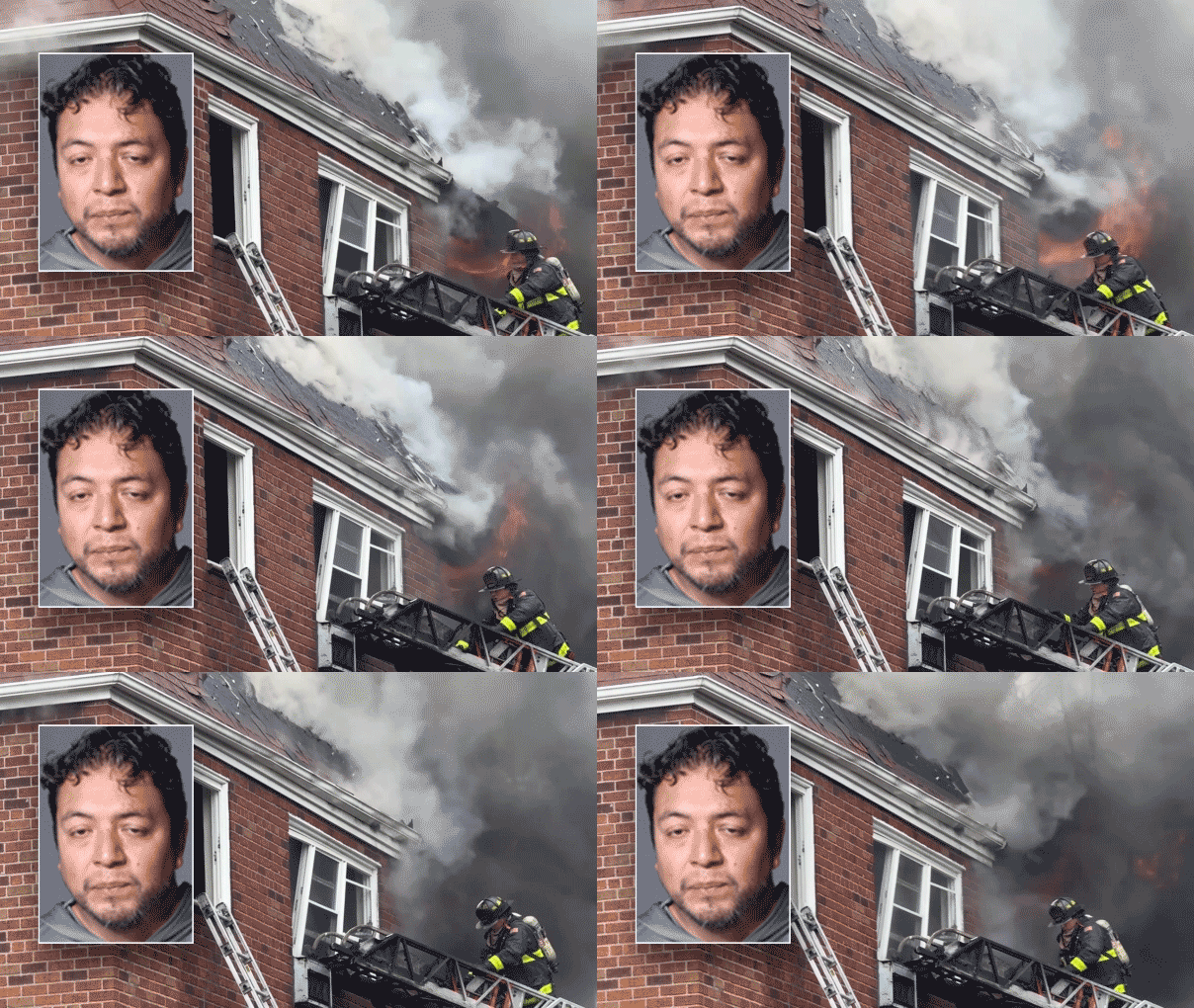
A devastating apartment fire in New York City has ignited a fierce battle between federal immigration authorities and city leaders after officials confirmed that a Mexican national in the United States illegally has been charged in connection with the blaze that left four people dead and seven others injured.
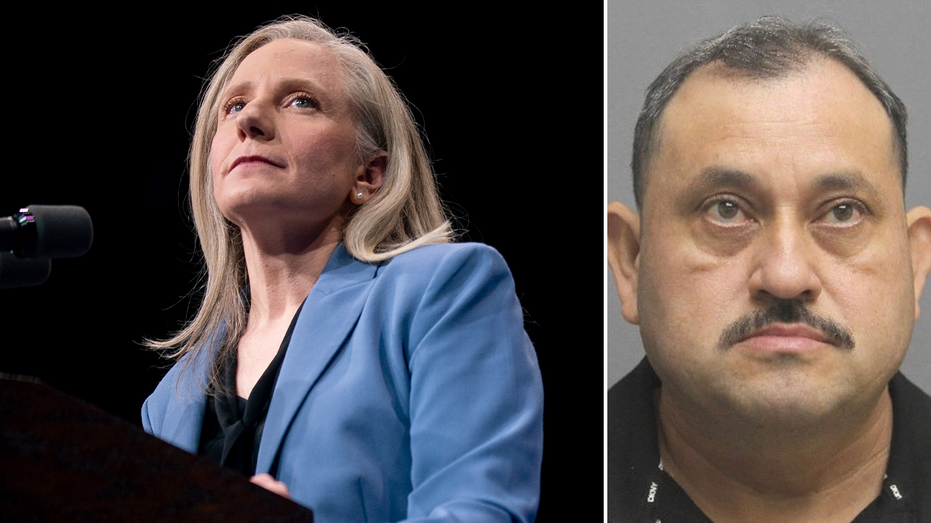
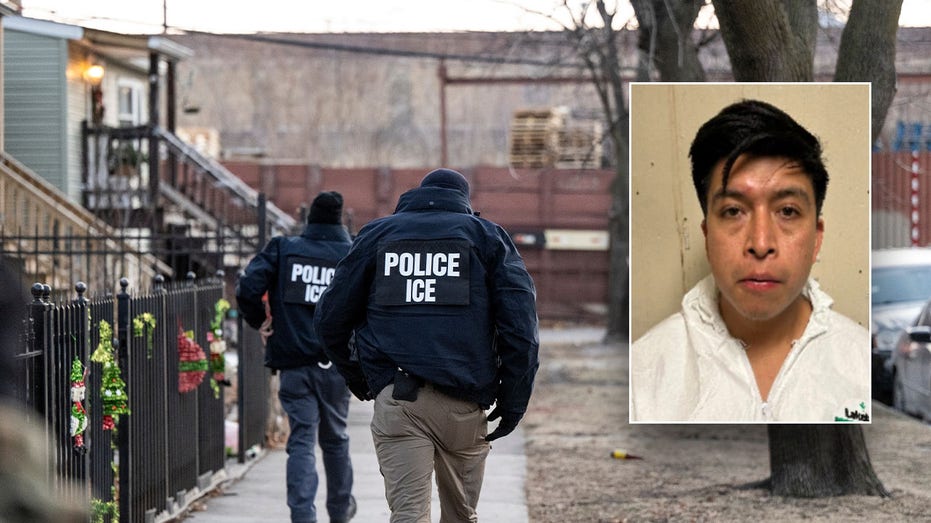
According to the U.S. Department of Homeland Security (DHS), Immigration and Customs Enforcement (ICE) has formally requested that New York City authorities honor an immigration detainer for the suspect, Roman Ceron Amatitla, 38. But city officials, citing New York’s longstanding sanctuary policies, have reportedly declined to comply.
The case has become a flashpoint in the broader national debate over border enforcement, sanctuary jurisdictions, and whether local political ideology is being allowed to override public safety concerns.
The Charges: Second-Degree Murder and First-Degree Arson
Amatitla, who was living in the Maspeth neighborhood of Queens, faces eight counts of second-degree murder and one count of first-degree arson in connection with the March 16 fire at a three-story residential building on Avery Avenue in Flushing.
The charges were announced by Queens District Attorney Melinda Katz, whose office alleges that the fire was set deliberately and at random. Prosecutors describe the act as one of extraordinary cruelty, pointing to evidence that the suspect remained at the scene while chaos unfolded.
According to authorities, the timeline of events on the day of the fire paints a disturbing picture:
- Amatitla allegedly entered and exited the Avery Avenue building multiple times.
- He reportedly urinated outside the apartment building before leaving the area.
- He then traveled to a nearby gas station, where officials say he purchased a beer, stole another, and took matches after refusing to buy a lighter.
- He allegedly returned to the apartment building for a fourth time.
- Authorities say he ignited a piece of paper and threw it onto debris near a stairwell, sparking the deadly fire.
Prosecutors claim he then remained nearby, sipping beer and watching as smoke billowed from the structure and residents attempted to escape — some reportedly jumping from windows as flames consumed parts of the building.
Among the four people killed was a three-year-old child. Seven additional individuals suffered injuries in what the district attorney described as an “act of mass murder.”
ICE Issues Detainer — City Declines
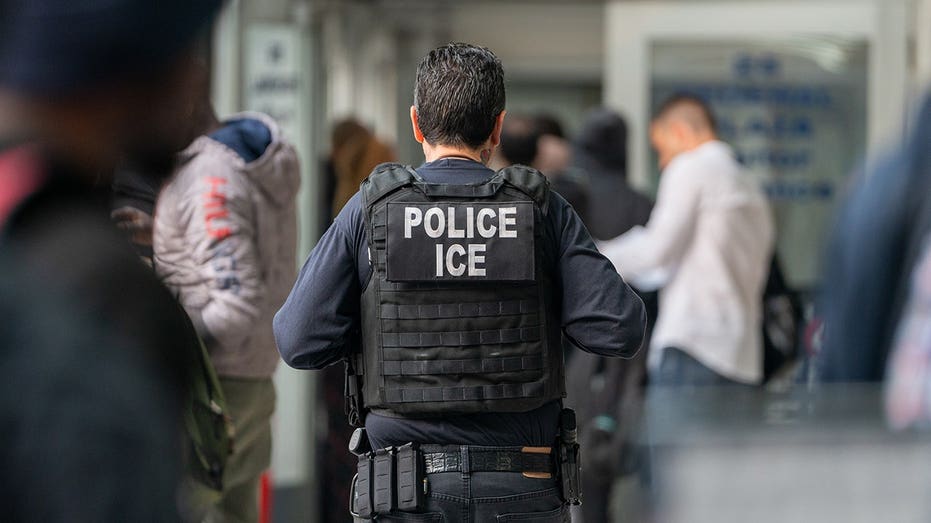
Following the arrest, U.S. Immigration and Customs Enforcement lodged a detainer request with the New York City Department of Correction (NYCDOC). An ICE detainer asks local law enforcement agencies to notify federal authorities before releasing a noncitizen in custody and to temporarily hold that individual so ICE can assume custody.
However, DHS officials say New York City has refused to honor the request due to its sanctuary framework.
“This individual is accused of setting fire to a building and watching innocent people, including a small child, perish,” a DHS spokesperson said. “Yet city officials are refusing to cooperate with federal immigration enforcement. Public safety must come first.”
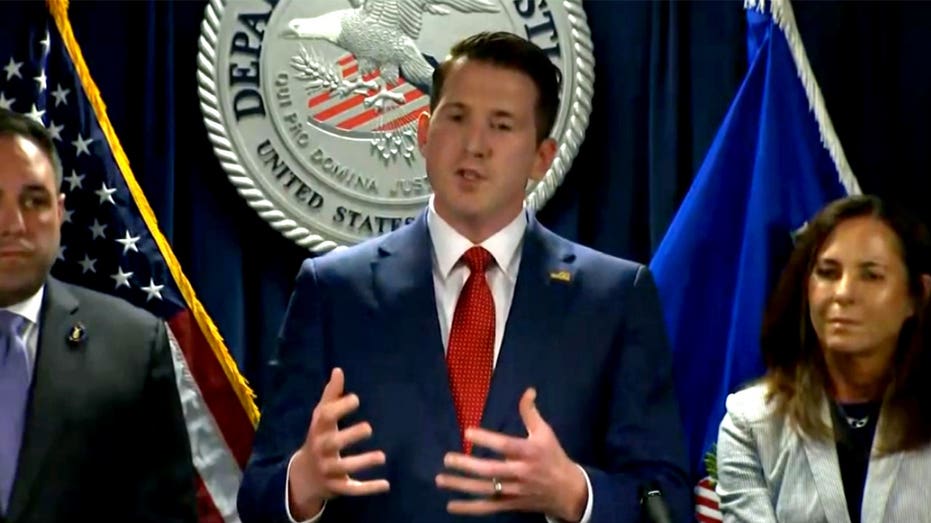
DHS Acting Assistant Secretary Lauren Bis criticized city leadership, arguing that sanctuary policies shield removable criminal aliens from federal enforcement and can allow them to reenter communities after being charged with serious crimes.
Understanding New York’s Sanctuary Policies
New York City’s sanctuary laws restrict cooperation between local law enforcement and federal immigration authorities. These limits generally prevent the city from honoring ICE detainers unless specific criteria are met.
The framework stems from laws passed by the New York City Council and related executive actions. City policies have been championed by progressive lawmakers who argue they help build trust between immigrant communities and law enforcement.
Critics, however, contend that such policies can tie the hands of federal authorities and result in the release of individuals accused of serious offenses.
The controversy has expanded to include Mayor Zohran Mamdani and New York Governor Kathy Hochul. DHS officials have argued that executive actions and legislative proposals from state leadership further restrict cooperation with federal immigration enforcement.
Governor Hochul has supported legislation designed to limit the involvement of local law enforcement in federal immigration actions. Supporters say such measures are necessary to protect civil liberties and prevent what they view as federal overreach.
Opponents argue that the result is a patchwork system where federal immigration law is inconsistently enforced, even in cases involving individuals accused of violent crimes.
DHS Data on Detainers and Criminal Charges
The Department of Homeland Security points to broader data to support its concerns. According to DHS figures, from Jan. 20 through Dec. 1 of the reporting year, New York jurisdictions failed to honor 6,947 ICE detainers.
According to the department, individuals released during that time were accused of crimes including:
- 29 homicides
- 2,509 assaults
- 199 burglaries
- 305 robberies
- 392 dangerous drug offenses
- 300 weapons offenses
- 207 sexual predatory offenses
Additionally, DHS reports that 7,113 individuals held in New York jurisdictions during the same period were subject to active ICE detainers. These cases reportedly involved charges including:
- 148 homicides
- 717 assaults
- 134 burglaries
- 106 robberies
- 235 drug offenses
- 152 weapons offenses
- 260 sexual predatory offenses
Critics of sanctuary policies argue that such figures demonstrate the tangible public safety risks associated with declining ICE detainer requests. They contend that when jurisdictions refuse to cooperate, federal officers must instead conduct at-large arrests in communities — operations they argue are more difficult and potentially more dangerous.
What Is an ICE Detainer?
An ICE detainer, sometimes referred to as an immigration hold, is a formal request issued under federal immigration authority asking local agencies to notify ICE before releasing a detainee and to hold the person for up to 48 hours beyond their scheduled release time, excluding weekends and holidays.
Supporters of detainers argue they are a lawful tool to ensure that individuals who may be removable under federal immigration law do not evade immigration proceedings.
Some cities and counties, however, have declined to honor detainers, citing court rulings and concerns about potential constitutional liability. Several federal court decisions have examined the scope of detainer authority, though the legal landscape remains complex.
The U.S. Constitution’s Supremacy Clause establishes federal law as the law of the land, yet immigration enforcement relies in practice on varying levels of state and local cooperation.
Border Security and Interior Enforcement: The Bigger Picture
The Flushing arson case enters an already heated national discussion over border security, interior enforcement, and illegal immigration.
Under federal law, immigration enforcement falls primarily under the authority of the federal government, including agencies within DHS such as ICE and U.S. Customs and Border Protection. However, the ability to effectively carry out enforcement often depends on coordination with local law enforcement entities.
Sanctuary policies have multiplied in jurisdictions across the country over the past decade. Proponents argue they encourage undocumented immigrants who are victims or witnesses of crime to come forward without fear of deportation.
Opponents counter that sanctuary laws frequently benefit not law-abiding families, but rather individuals already entangled in the criminal justice system, including those accused of violent felonies.
In the Queens case, DHS officials confirmed that Amatitla is a Mexican national present in the United States illegally, though details regarding the timing and manner of his entry have not been released publicly.
The Human Toll in Queens
While the political debate escalates, families in Queens are grappling with devastating loss. Fires in multi-unit residential buildings can spread rapidly, particularly when stairwells and entryways serve as confined ignition points.
New York City, which has one of the largest municipal fire departments in the country through the Fire Department of the City of New York (FDNY), has long emphasized fire safety awareness in densely populated neighborhoods.
Despite quick emergency response times, officials say the blaze escalated quickly in this case, trapping residents and creating chaotic escape attempts.
For many Americans, the tragedy underscores a broader concern: when someone stands accused of such horrific violence, why should politics stand in the way of full federal enforcement?
Calls for Accountability
DHS has publicly called on Governor Hochul and Mayor Mamdani to ensure that the suspect is not released back into the community without coordination with federal immigration authorities.
Law enforcement experts note that if local authorities release a defendant on bail or after serving any state-imposed sentence without honoring a detainer, ICE may attempt to locate and apprehend the individual independently.
Those operations, critics argue, can require additional manpower and may increase risks to officers and the public alike.
Meanwhile, advocates of New York’s sanctuary system insist that constitutional protections and civil liberties must remain paramount, even in emotionally charged cases.
The Road Ahead
As the criminal case proceeds in Queens, the dispute between local and federal officials is likely to intensify. Prosecutors will pursue the state charges of second-degree murder and first-degree arson, offenses that carry severe penalties under New York law.
At the same time, ICE retains authority to initiate removal proceedings under federal immigration statutes if and when it gains custody.
The tragedy in Flushing represents more than a criminal case. It has become a symbol of a national crossroads — one where questions of sovereignty, law enforcement cooperation, and the safety of American communities intersect.
For many Americans watching closely, the fundamental issue is straightforward: when lives are lost in a preventable act of violence, every level of government must work together — not against one another — to ensure justice is served and communities are protected.
As this case unfolds, citizens across the country will be watching whether public officials prioritize politics or public safety. One thing is certain: the stakes could not be higher.