Illegal Immigrant Parents of MacDill Bomb Suspects Raise Fresh Security Debate
A foiled explosive attack outside MacDill Air Force Base in Tampa, Florida, has taken on new national significance after the Department of Homeland Security (DHS) confirmed that the parents of the primary suspects are illegal immigrants who had long-standing removal orders.
Federal officials say the development underscores deep concerns about immigration enforcement, birthright citizenship, and national security — issues currently under review by the U.S. Supreme Court. While the explosive device never detonated, the case has ignited a broader debate about how immigration policy intersects with public safety and the constitutional meaning of citizenship.
What Happened at MacDill Air Force Base
According to federal prosecutors, 23-year-old Alen Zheng allegedly planted an improvised explosive device (IED) outside the visitor center at MacDill Air Force Base on March 10. Authorities later described the device as potentially “very deadly.”
The bomb failed to detonate and was discovered six days later by an Air Force airman. Subsequent investigation reportedly tied materials used in the device to items recovered from Zheng’s home, along with evidence connected to a prepaid “burner” phone used to place a mysterious 911 call warning about the bomb.
MacDill is no ordinary installation. The base is home to U.S. Central Command (CENTCOM) and U.S. Special Operations Command (SOCOM), two of the most critical combatant commands in the American military structure. CENTCOM oversees U.S. military operations across the Middle East and Central Asia. SOCOM leads elite special operations forces responsible for global counterterrorism missions.
An attack targeting such a facility immediately elevates the stakes. Even though the device did not explode, officials say the intent alone represented a grave threat.
Criminal Charges Against the Suspects
Federal authorities have charged Alen Zheng with attempted destruction of government property by fire or explosion, in addition to multiple weapons-related offenses. If convicted, he could face up to 40 years in prison.
Investigators believe Zheng fled to China after allegedly planting the device. He remains overseas.
His sister, Ann Mary Zheng, was arrested after returning to the United States through Detroit. Prosecutors allege she assisted her brother after the fact, including tampering with evidence to impede his arrest. She faces charges that could carry a potential 30-year sentence.
Officials have not publicly identified a motive, nor have they confirmed any connection to the Chinese government.
Parents Taken Into ICE Custody
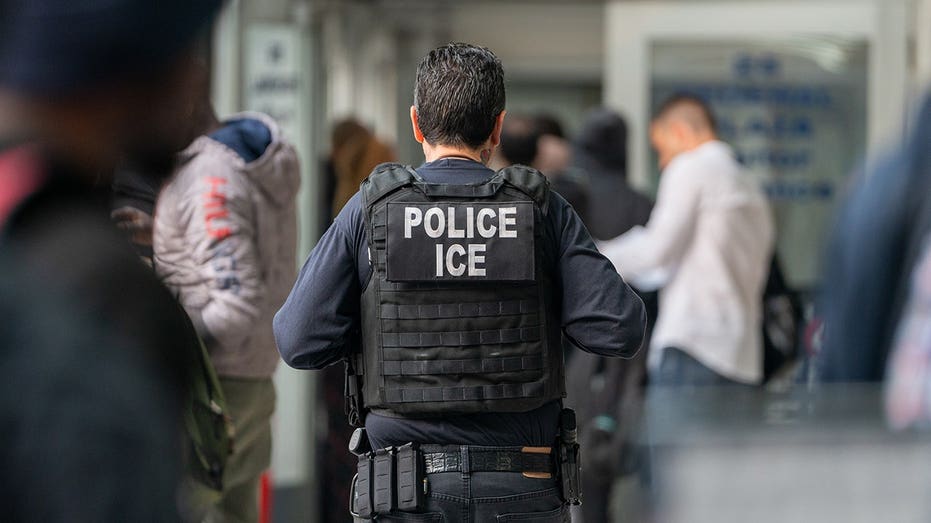
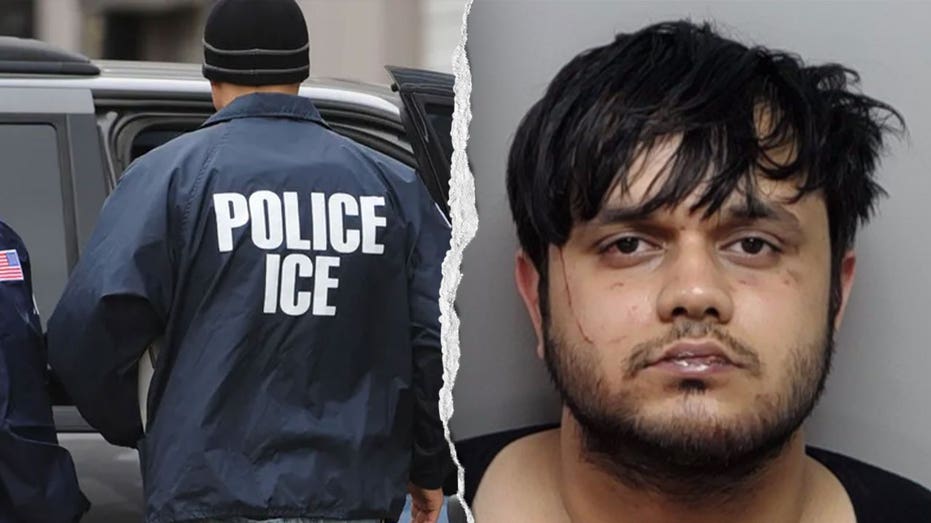
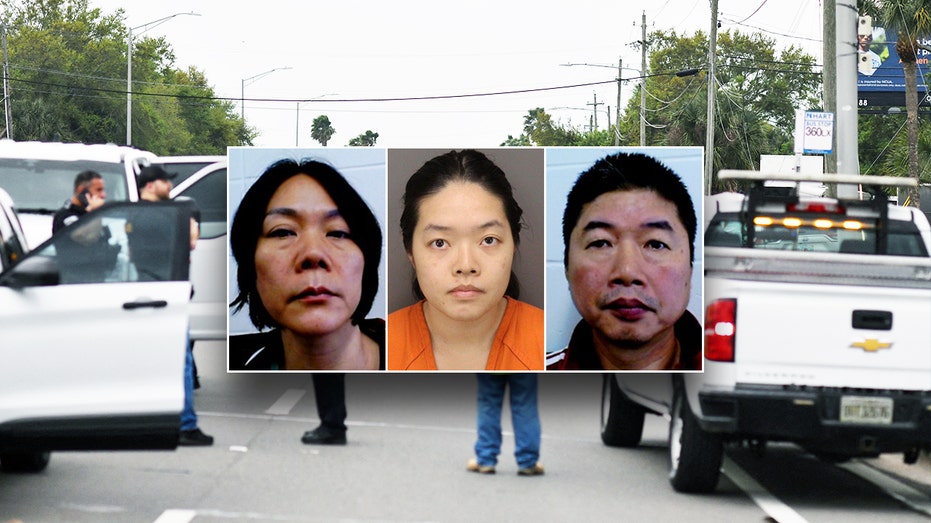
Days after the alleged bombing attempt, Immigration and Customs Enforcement agents took the suspects’ parents — Qiu Qin Zou and Jia Zhang Zheng — into custody.
DHS officials stated that the parents entered the United States unlawfully and applied for asylum in 1993. An immigration judge denied their claims and ordered them removed in 1998. The Board of Immigration Appeals later rejected multiple attempts to reopen their case.
Despite the final removal order, the couple remained in the United States for decades.
DHS acting officials emphasized that this case illustrates broader enforcement concerns. Removal orders, once issued by an immigration judge through the Executive Office for Immigration Review, are legally binding. Yet across administrations, large numbers of individuals with final orders have remained in the country.
Birthright Citizenship at the Center of Debate
Both Alen Zheng and Ann Mary Zheng were born in the United States. Under prevailing interpretation of the 14th Amendment to the U.S. Constitution, individuals born on U.S. soil are generally recognized as citizens, regardless of their parents’ immigration status.
The Citizenship Clause of the 14th Amendment states: “All persons born or naturalized in the United States, and subject to the jurisdiction thereof, are citizens of the United States.”
For more than a century, the Supreme Court has interpreted that language broadly. However, ongoing legal battles seek to redefine the meaning of “subject to the jurisdiction thereof” in cases involving children born to illegal immigrants.
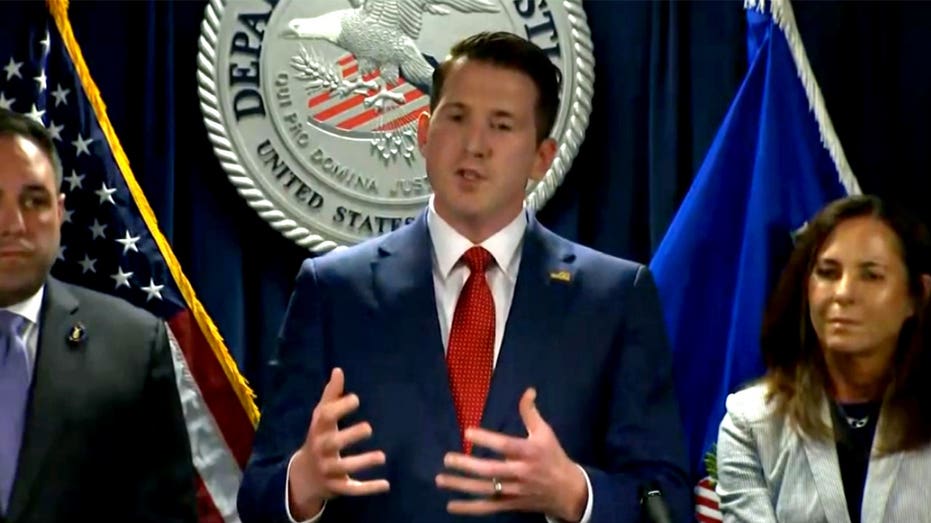
DHS Acting Assistant Secretary Lauren Bis said in a public statement that automatically granting citizenship to children of illegal immigrants poses national security concerns, particularly when combined with long-standing failures to enforce removal orders.
“This incident underscores the severe national security threat that illegal immigration and birthright citizenship pose to the United States,” the statement noted.
The Supreme Court’s Role
The issue of birthright citizenship is now before the Supreme Court, where justices are expected to weigh the constitutional scope of the 14th Amendment.
President Donald J. Trump previously signed an executive order seeking to restrict automatic citizenship for children born to illegal immigrants, arguing that the current interpretation exceeds the original meaning intended by the framers of the amendment.
Legal scholars are divided. Supporters of maintaining current policy argue that clarity and precedent are essential to preserving constitutional stability. Critics contend that unchecked birthright citizenship creates incentives for illegal entry and weakens immigration law enforcement.
Broader Immigration Enforcement Failures
The MacDill case fits into a larger pattern frequently cited by critics of the modern immigration system:
- Individuals with final removal orders remaining in the country for decades.
- Asylum claims taking years to process.
- Limited federal resources to enforce deportation decisions.
- Difficulty tracking compliance once removal orders are issued.
The enforcement arm responsible for executing removal orders falls primarily under U.S. Immigration and Customs Enforcement (ICE). However, resource constraints and shifting policy priorities across administrations have significantly influenced enforcement intensity.
Meanwhile, the legal framework governing immigration status is administered through agencies such as U.S. Citizenship and Immigration Services (USCIS), which handles asylum applications and other immigration benefits.
Critics argue that when removal orders go unenforced, the rule of law erodes. Supporters of broader immigration reform counter that the system itself is outdated and in need of congressional overhaul.
National Security Concerns at Military Installations
MacDill Air Force Base is a linchpin of American military power. CENTCOM coordinates U.S. military activities across volatile regions, including operations against terrorist organizations. SOCOM oversees elite units such as Navy SEALs and Army Special Forces.
An attempted attack at such a site is not merely a local law enforcement matter. It carries potential international ramifications and touches directly on homeland security.
Even though the alleged device never exploded, officials say its presence outside the base’s visitor center signals intent to intimidate or disrupt. The discovery six days after it was placed also raises concerns about perimeter vigilance and screening processes.
No Confirmed Foreign Government Link
At this stage, authorities have not identified a motive or confirmed ties to any foreign government.
That distinction is critical. While speculation has swirled online regarding potential links to China, federal officials have made clear that no official connection has been established.
Nonetheless, experts note that in an era of global tensions — especially between the United States and China — any alleged attack involving suspects tied to overseas locations will draw scrutiny.
Constitutional Questions and the American Ideal
The 14th Amendment was ratified in 1868 in the aftermath of the Civil War, primarily to ensure citizenship rights for newly freed slaves. Its Citizenship Clause has since formed the backbone of America’s inclusive legal framework.
Yet the historical context did not envision 21st-century global migration patterns, mass asylum claims, or modern border crises.
That tension — between historical constitutional text and contemporary immigration realities — is now being tested in the highest court in the land.
Advocates for revisiting birthright citizenship argue the United States must balance compassion with sovereignty. Opponents say redefining citizenship eligibility risks undermining constitutional order.
The Bigger Picture for American Policy
The MacDill case highlights several intersecting issues:
- The effectiveness of immigration court rulings.
- The enforceability of removal orders.
- The application of the 14th Amendment to children of illegal immigrants.
- The security posture of major military installations.
While individual criminal responsibility rests with the suspects themselves, policymakers are examining whether systemic policy failures contributed to the broader situation.
Americans across the political spectrum can agree on one principle: national security must come first. Protecting military installations, safeguarding constitutional processes, and ensuring the rule of law are not partisan goals — they are fundamental responsibilities of a sovereign nation.
Awaiting Legal and Judicial Outcomes
Alen Zheng remains overseas, and efforts to secure his return could involve complex extradition considerations depending on diplomatic arrangements.
Ann Mary Zheng’s legal proceedings will unfold in federal court, where prosecutors must prove their case beyond a reasonable doubt.
The suspects’ parents, now in ICE custody, face enforcement of removal orders issued nearly three decades ago.
Meanwhile, the Supreme Court’s coming decision on birthright citizenship could reshape American immigration law for generations.
The attempted bombing at MacDill Air Force Base may ultimately be remembered not only as a thwarted act of violence, but as a pivotal moment in a national reckoning over immigration enforcement, citizenship law, and the meaning of constitutional guarantees in modern America.
For a country built on both lawful immigration and the rule of law, the challenge is clear: protect the homeland, uphold the Constitution, and ensure that America remains strong, secure, and sovereign.