Legal Battle Erupts Over Alleged Abuse Inside Florida’s “Alligator Alcatraz” Detention Center
A growing legal and political fight is unfolding over allegations that guards at a state-run immigration detention facility in the Florida Everglades used excessive force against migrant detainees. According to court filings submitted by an attorney representing two of the detainees, several individuals were beaten and pepper-sprayed after raising concerns about lack of access to telephones.
The facility—nicknamed “Alligator Alcatraz” by critics due to its remote location in the Everglades—was built under the direction of Florida Gov. Ron DeSantis as part of the state’s aggressive approach to immigration enforcement. It operates in coordination with federal authorities, including U.S. Immigration and Customs Enforcement (ICE), though the specifics of operational control remain a point of legal discussion.
The allegations have triggered serious constitutional questions, federal court intervention, and a heated public debate about how America balances border enforcement with the rule of law.
Claims of Beatings and Pepper Spray
In a sworn declaration, attorney Katherine Blankenship alleged that guards physically assaulted detainees after tensions flared over non-functioning phones. According to her account, detainees had complained that they were unable to make calls to family members or to their lawyers—an issue that strikes directly at the heart of legal due process.
Blankenship stated that guards allegedly began taunting detainees before the confrontation escalated. The declaration claims:
- At least one detainee was punched in the face after approaching a guard.
- Multiple detainees were reportedly beaten while in a cell.
- One individual was allegedly thrown to the ground and kicked in the head.
- A guard allegedly pressed a knee against one detainee’s neck while restraining him.
- Another detainee reportedly suffered a broken wrist during the incident.
According to the filing, video evidence and photographic documentation show visible bruising to at least one of Blankenship’s clients nearly a week after the alleged incident. The detainee reportedly sustained injuries to his eye, shoulder, and arm.
Officials have not publicly acknowledged the specifics of the alleged altercation. However, the claims now form part of ongoing federal litigation.
The Phone Access Dispute
At the core of the confrontation is a seemingly technical issue with enormous legal implications: access to working telephones.
In immigration detention facilities, phones are not a luxury. They are often the primary means through which detainees contact attorneys and coordinate legal strategy. In many cases, they also represent the only line of communication with family members.
Last month, U.S. District Judge Sheri Polster Chappell of the U.S. District Court for the Middle District of Florida issued a preliminary injunction ordering detention officials to provide timely, confidential, and unmonitored access to legal phone calls. The judge directed the facility to maintain at least one operable telephone for every 25 detainees.
The injunction stemmed from a lawsuit alleging violations of detainees’ constitutional rights—specifically protections related to free speech and legal access under the First Amendment.
Blankenship’s latest declaration argues that officials have failed to fully comply with that order. According to the filing, phone access was unavailable at the time of the alleged altercation but was restored the following day without explanation.
State officials dispute those claims, citing security limitations and staffing concerns as possible reasons for disruptions in service. Federal defendants have also denied that detainees’ First Amendment rights were violated.
A Broader Immigration Enforcement Strategy
The controversy cannot be separated from the larger immigration debate gripping the nation.
Florida has taken a uniquely assertive approach to border security issues, even though the state does not share a land border with Mexico. In recent years, Gov. DeSantis has:
- Signed legislation increasing penalties for human smuggling.
- Expanded state cooperation with federal immigration authorities.
- Directed funding toward detention capacity expansion.
The Everglades facility was constructed to support large-scale detention operations aligned with stricter enforcement priorities. Officials have argued that such measures are necessary to address mounting migrant arrivals and strains on public resources.
Supporters contend that enforcing immigration law is essential to national sovereignty and public safety. Critics argue that constitutional safeguards must remain paramount—even in detention settings.
“Border enforcement and human dignity are not mutually exclusive,” one legal analyst familiar with the federal case said. “The issue is whether procedures were followed and rights were protected.”
Facilities Under Scrutiny
The Everglades detention center is not the only immigration site facing legal scrutiny. Florida officials have also developed a second detention facility in northern Florida to increase holding capacity.
Since its opening, the Everglades site has been the subject of multiple lawsuits alleging:
- Inadequate access to counsel
- Medical care concerns
- Overcrowding and staffing limitations
State authorities have rejected characterizations of the facility as unsafe or unconstitutional, emphasizing compliance with federal detention standards.
Meanwhile, federal immigration detention policy continues to evolve under shifting national leadership priorities, with ICE working alongside both federal and state facilities to carry out detention and removal operations.
Political Reactions Intensify
The dispute has quickly drawn attention from lawmakers.
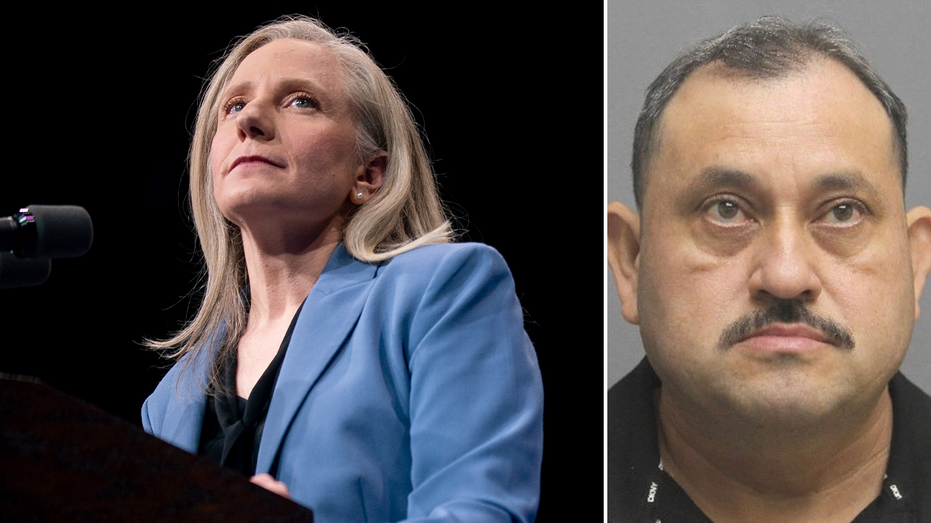
U.S. Rep. Debbie Wasserman Schultz, D-Fla., visited the detention center recently and reported that she was not allowed to speak with detainees during her tour. She described the living conditions as “cruel” and “inhumane” in public remarks.
Her comments have fueled Democratic criticism of Florida’s detention expansion, while Republican leaders argue that critics are undermining legitimate enforcement efforts.
State officials maintain that congressional visits must align with established security protocols, and they reject allegations that the facility is operating outside constitutional boundaries.
The Constitutional Question
At its heart, the legal dispute revolves around a critical American principle: access to counsel and freedom of communication.
While immigration detainees are held under civil—not criminal—authority, courts have consistently recognized that they retain core constitutional protections. Multiple federal rulings affirm that detainees must have reasonable access to legal representation.
The First Amendment plays a role when access to speech or communication is restricted without justification. Courts typically weigh:
- Government security interests
- Administrative feasibility
- The extent of restrictions imposed
- Whether less-restrictive alternatives exist
Judge Chappell’s injunction indicates that the court believes detainees demonstrated a likelihood of success on the merits of their claims—at least sufficient to warrant temporary relief.
However, the state has signaled its intention to appeal the ruling, meaning higher courts may soon weigh in on how detention facilities must structure attorney access moving forward.
Balancing Security and Accountability
Running detention facilities—especially in remote areas like the Everglades—is logistically complex. Officials must manage staffing, security risks, transportation challenges, and environmental constraints.
At the same time, transparency and accountability are foundational to American governance. When allegations of excessive force arise, they demand serious review regardless of political affiliation or immigration status.
Excessive force claims typically trigger internal investigations and, in some cases, outside review. The public will likely expect:
- An objective examination of security camera footage
- Medical documentation of injuries
- Clear statements from state and federal authorities
Whether those steps occur—and what they reveal—could shape public perception of immigration enforcement in Florida and beyond.
Why This Case Matters Nationally
This controversy arrives at a time when immigration enforcement is once again a dominant national issue.
Across the country, jurisdictions are clashing over sanctuary policies, cooperation with federal immigration authorities, and detention capacity. Lawsuits against states, cities, and federal agencies reflect deep divisions over the proper balance between enforcement and civil liberties.
Florida’s assertive posture has positioned it as a key battleground in this debate. Supporters argue that decisive action deters illegal immigration and reinforces federal authority. Critics warn of potential constitutional overreach.
If appellate courts ultimately clarify standards for phone access and conditions in state-run immigration facilities, the implications could extend well beyond one detention center in the Everglades.
What Happens Next
Several parallel developments are likely in the coming weeks and months:
- The state’s appeal of Judge Chappell’s injunction will proceed.
- Discovery in the excessive force allegations may bring additional facts to light.
- Advocacy groups may push for federal oversight or independent monitoring.
- Lawmakers may introduce legislation addressing detention transparency.
Much will depend on evidence—especially medical reports and video documentation. Courts will ultimately determine whether constitutional violations occurred and whether corrective action is required.
A Test of American Institutions
America’s immigration system is under extraordinary strain. Communities feel the pressure of uncontrolled migration, and taxpayers demand accountability. At the same time, the Constitution does not pause at the doors of a detention center.
Ensuring secure borders and upholding civil liberties are not opposing goals—they are twin pillars of American sovereignty. Law enforcement officers must have the authority to maintain order. But that authority carries responsibility.
As the legal fight over “Alligator Alcatraz” unfolds, the nation will watch closely. The outcome will help define how states can partner with federal authorities to enforce immigration law while maintaining constitutional standards that set America apart from the rest of the world.
For now, the allegations remain just that—allegations. But in a country built on the rule of law, claims of abuse demand scrutiny, facts demand clarity, and justice demands accountability wherever the truth may lead.
Wake Up America News will continue following developments in this case and the broader national debate over immigration enforcement, detention standards, and constitutional protections.