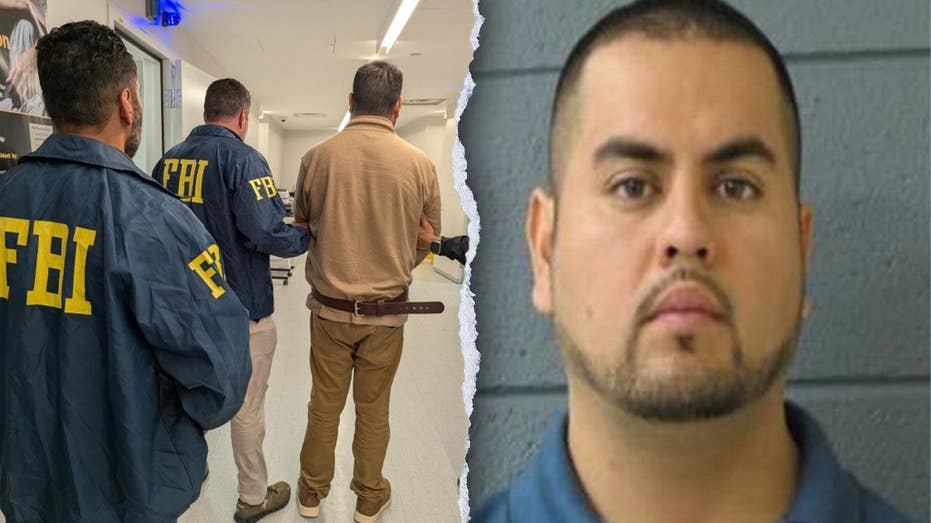
Gilgo Beach Killer to Be Studied by FBI’s Elite Behavioral Unit After Guilty Plea
The man who terrorized Long Island for decades has now entered a new and unsettling chapter. After pleading guilty to the torture and murder of eight women, Rex Heuermann — the confessed Gilgo Beach serial killer — has agreed to sit down with the FBI’s Behavioral Analysis Unit (BAU) as part of his plea agreement.
The deal, which resulted in three life sentences without the possibility of parole, ensures Heuermann will never again walk free. But his decision to cooperate with federal profilers places him in rare company — joining some of the most notorious criminals in American history who have been studied by the bureau’s psychological experts.
For law enforcement, the move could yield invaluable insight into the mind of a calculated predator. For grieving families, it may provide long-awaited answers. And for the nation, it raises serious questions about how such evil can operate undetected for so long — and how America can better prevent future horrors.
A Case That Haunted Long Island for Decades
The Gilgo Beach murders first came to public attention in 2010 when the remains of multiple women were discovered along Ocean Parkway near Suffolk County, New York. The remote stretch of coastline had concealed a pattern of brutality that shocked even seasoned investigators.
Over time, authorities identified several victims, many of whom had worked as escorts and had been reported missing years earlier. Among the women Heuermann admitted to killing:
- Melissa Barthelemy
- Megan Waterman
- Amber Costello
- Maureen Brainard-Barnes
- Jessica Taylor
- Sandra Costilla
- Karen Vergata
- Valerie Mack
These women were daughters, sisters, and mothers. For their families, the case dragged on for more than a decade — a constant reminder of unresolved trauma.
In 2023, after years of painstaking investigative work, including modern forensic techniques and cell phone data analysis, authorities arrested Heuermann, a New York architect who had lived a seemingly ordinary suburban life. The prosecution was led by the Suffolk County District Attorney’s Office, headed by District Attorney Ray Tierney.
When Heuermann formally pleaded guilty, he accepted responsibility for eight murders spanning back to 1993 — though investigators have not ruled out additional victims.
The FBI’s Behavioral Analysis Unit: Inside the “Mindhunter” Program
Heuermann’s agreement to undergo evaluation by the FBI’s Behavioral Analysis Unit places him in a group that includes infamous criminals such as Ted Bundy, Jeffrey Dahmer, and John-Wayne-Gacy" target="_blank">John Wayne Gacy.
The BAU, part of the FBI’s Critical Incident Response Group, specializes in criminal profiling — the scientific study of violent offenders’ behavior patterns. Its work has influenced both active investigations and preventative policing strategies nationwide.
As District Attorney Tierney explained, these interviews are not aimed at uncovering new charges. Instead, they are described as “clinical” in nature — designed to analyze motivation, methodology, and psychological development.
“They’re going to interview the defendant and gain insight into his motivations and background as a scientific exercise,” Tierney told reporters following the plea.
The purpose is forward-looking: understanding how serial predators think, plan, and evade detection so that future offenders can be stopped earlier.
Why Study a Killer After Conviction?
Some Americans understandably question why federal officials would give any attention to a man who inflicted such suffering. But law enforcement professionals argue that studying serial offenders serves several critical goals:
- Pattern identification: Recognizing behavioral and geographic trends across cases.
- Risk assessment: Identifying warning signs before violence escalates.
- Investigative refinement: Improving interrogation techniques and forensic strategies.
- Victim protection: Enhancing preventative measures for vulnerable populations.
According to criminology experts who have worked alongside the bureau, serial killers often exhibit unique blends of organization, patience, and manipulation. Heuermann allegedly maintained a professional career and family life while committing crimes over an extended period — a dual existence that fascinates and troubles investigators.
Understanding how he compartmentalized his life may prove crucial in identifying similar offenders in the future.
The Organized Predator
Analysts frequently distinguish between “organized” and “disorganized” offenders. Organized killers tend to carefully select victims, plan their crimes, avoid leaving evidence, and follow news coverage of their activities.
Heuermann’s case appears to fit this profile. Prosecutors described calculated actions and an ability to evade capture for nearly two decades. In fact, technological advances — including advanced DNA analysis and digital tracking tools — played a substantial role in finally identifying him.
The use of genetic genealogy in past cold cases, such as the identification of the Golden State Killer, has demonstrated how science can outpace criminals who once believed they were untouchable.
Heuermann’s interviews may shed light on what mistakes serial offenders make — and how investigators can accelerate the path to justice.
The Ego Factor: A Double-Edged Sword
Criminal psychologists often warn that serial killers can exhibit narcissistic tendencies. Being interviewed by the FBI’s elite behavioral unit may feed that ego.
Some experts have cautioned that offenders sometimes view such engagement as validation — proof they are significant enough to be studied alongside infamous criminals.
That dynamic creates a tension: how to extract valuable knowledge without granting notoriety.
The FBI has long navigated this challenge. Its profilers are trained to control interviews, reduce manipulation, and ensure the focus remains on facts rather than glorification.
Could There Be More Victims?
Although Heuermann admitted to eight murders, unanswered questions linger. Serial offenders rarely begin with perfected methods. Earlier crimes sometimes evade detection, particularly if they occurred before digital evidence became common.
Authorities have not publicly confirmed whether investigators suspect additional victims. However, BAU interviews could reveal inconsistencies or admissions that open new investigative avenues.
Historically, post-conviction interviews have led to breakthroughs. In past cases, killers have confessed to previously unknown crimes years after sentencing. Even incremental details can help law enforcement resolve cold cases and bring closure.
Impact on Ongoing and Future Cases
The knowledge gathered from Heuermann may influence training protocols across local, state, and federal law enforcement agencies.
For example, interviews may focus on:
- Early behavioral indicators or “red flags”
- Victim selection methods
- Communication strategies used to lure targets
- Steps taken to avoid surveillance
- Psychological triggers preceding violent acts
Insights from prior BAU work have shaped investigative methods nationwide. Patterns uncovered in earlier serial homicide research have assisted agencies large and small, including departments under the umbrella of organizations like the National Institute of Justice.
The hope is simple: prevention through understanding.
Families Seek Truth, Not Publicity
While criminal psychology draws headlines, the families of the victims remain at the heart of the case.
For more than a decade, relatives endured agonizing uncertainty. Many pressed officials for answers and renewed investigative urgency. The eventual arrest and guilty plea marked a turning point, finally replacing speculation with confirmed accountability.
Additional information gleaned from interviews could offer clarity about final moments, timelines, and circumstances that remained unclear.
Closure does not erase loss. But truth matters.
A Broader American Issue: Protecting the Vulnerable
The Gilgo Beach case highlights a broader national concern: how society protects individuals who may be at greater risk — including women engaged in high-risk professions.
Serial predators frequently target those they perceive as less likely to prompt rapid investigation. Law enforcement agencies across the country have worked to counter that perception by dedicating greater resources to missing persons cases and enhancing cooperation among jurisdictions.
Federal coordination through agencies like the U.S. Department of Justice has improved data sharing and task force formation. The evolution of forensic science has further leveled the playing field.
Still, cases like this underscore the need for vigilance and unrelenting pursuit of justice.
The Fine Line Between Study and Spotlight
In the age of streaming documentaries and pop-culture fascination with “true crime,” America must tread carefully. Understanding violent minds is necessary. Glorifying them is dangerous.
Responsible analysis focuses on prevention, victim advocacy, and investigative improvement — not sensationalism.
The FBI’s work with Heuermann will likely be methodical and confidential. If history is a guide, the product of these interviews will shape training materials, refine profiling standards, and enhance future casework rather than fuel public spectacle.
Justice Secured — But Lessons Still to Learn
Rex Heuermann will spend the rest of his life behind bars. His freedom is gone, replaced by the weight of multiple life sentences.
Yet even as justice has been formally delivered, the work continues.
The study of heinous crimes is not about sympathy for perpetrators. It is about equipping law enforcement with sharper tools, recognizing warning signs sooner, and ensuring that future criminals cannot operate in the shadows for decades.
America’s justice system achieved accountability in this case. Now, through careful and disciplined analysis, investigators aim to transform tragedy into knowledge — knowledge that could prevent the next serial predator from ever gaining a foothold.
For the families who waited years for answers, no study will ever replace what was stolen from them. But if hard-earned insight helps spare even one family from similar pain, then the effort serves a higher purpose.
That is the ultimate goal: a safer nation, strengthened law enforcement, and unwavering commitment to justice for every victim — regardless of how long it takes.
Wake Up America News — Your Source for Patriotic News.