Federal Agents Open Fire After Suspected Illegal Immigrant Gang Member Allegedly Attempts to Run Down ICE Officer in California
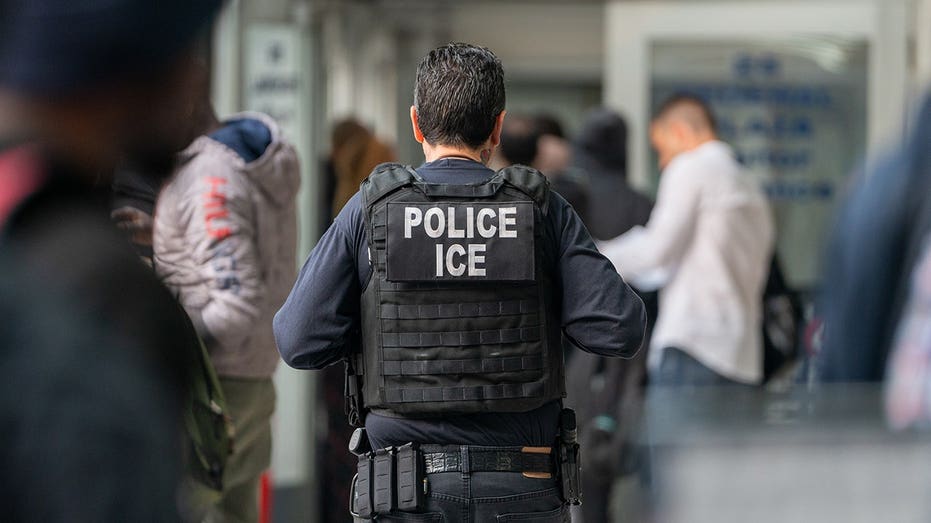
A high-risk federal law enforcement operation in California’s Central Valley erupted into gunfire this week after Immigration and Customs Enforcement agents say a suspected illegal immigrant gang member attempted to ram an officer with his vehicle.
The suspect, identified as Carlos Ivan Mendoza Hernandez, was taken to a local hospital after agents discharged their firearms during what officials described as a defensive response. Federal authorities say the incident occurred during a targeted enforcement action in the city of Patterson, California, a rural farming community in Stanislaus County.
At the center of the confrontation is a broader issue that continues to confront American communities: the challenges of immigration enforcement, transnational gang activity, and cooperation between federal and local authorities in maintaining public safety.
Targeted Arrest Operation in Patterson
According to officials with U.S. Immigration and Customs Enforcement (ICE), agents conducted a planned vehicle stop Tuesday aimed at apprehending Mendoza Hernandez. The suspect had reportedly been flagged through federal intelligence channels and was wanted for questioning in El Salvador in connection with a homicide investigation.
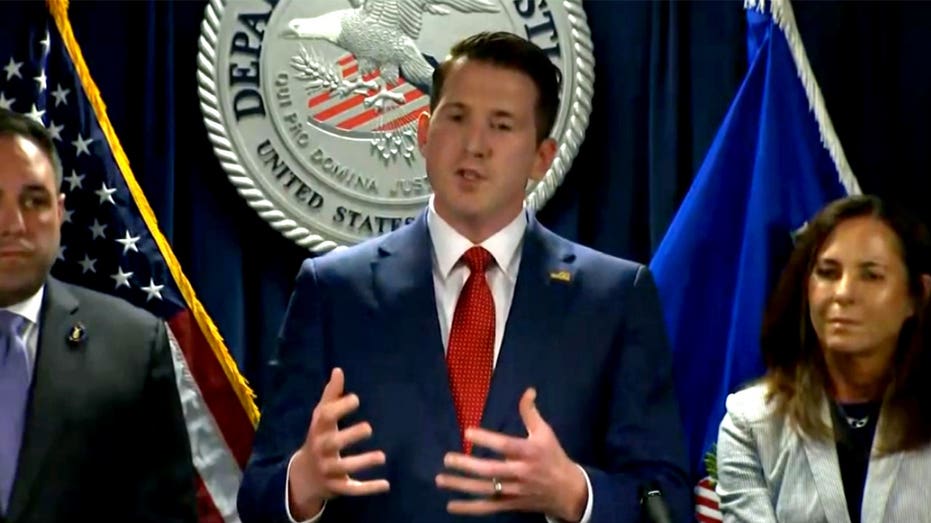
ICE Director Todd Lyons explained that the operation was not random, but the result of targeted law enforcement coordination. Federal sources indicated that Mendoza Hernandez had been identified through the National Targeting Center, which works to identify potential threats to the United States through intelligence analysis and data coordination.
The National Targeting Center, operated by U.S. Customs and Border Protection (CBP), analyzes travel patterns, criminal data, and international intelligence to flag individuals who may pose a national security or public safety threat. Its work often supports ICE operations focused on apprehending violent offenders and gang affiliates who are unlawfully present in the country.
Authorities say Mendoza Hernandez is believed to be affiliated with the notorious 18th Street Gang, a transnational criminal organization known for involvement in violent crime, drug trafficking, and weapons offenses across the United States and Central America. The U.S. Department of Justice has long identified transnational gangs like 18th Street as significant public safety threats, particularly in communities already struggling with cross-border crime.
Allegations of Using a Vehicle as a Weapon
According to ICE leadership, the situation turned dangerous as agents approached the vehicle during the stop. Mendoza Hernandez allegedly accelerated his car toward an ICE officer, effectively turning the vehicle into a weapon.
Director Lyons stated that agents responded consistent with their training protocols.
“Following their training, our officers fired defensive shots to protect themselves, their fellow agents, and the public,” Lyons said.
Vehicle assaults against law enforcement are treated as lethal threats under federal policy. In recent years, law enforcement agencies across the nation have increasingly warned that suspects are using vehicles as offensive tools during encounters with officers.
The Supreme Court has consistently recognized that officers may use deadly force when they have a reasonable belief that they face imminent serious bodily harm. Federal agencies, including ICE, provide extensive training on use-of-force standards designed to comply with constitutional guidelines while protecting the safety of officers and civilians.
FBI Launches Independent Investigation
As is standard procedure in federal shootings, the Federal Bureau of Investigation’s Sacramento Field Office has launched a formal review of the incident. The FBI confirmed it is conducting what it described as a thorough and independent investigation.
In a public statement, the bureau expressed appreciation for the patience of the Patterson community as investigators gather evidence, interview witnesses, and review body camera and surveillance footage.
Federal officials have not yet released details about the extent of Mendoza Hernandez’s injuries or his current medical condition. He was transported to a local hospital immediately after the shooting.
The Stanislaus County Sheriff’s Office is assisting federal authorities in managing the scene and supporting the investigation. The sheriff’s office clarified that local deputies were not directly involved in the confrontation itself but are cooperating fully with federal partners.
Patterson: A Farming Community Caught in a National Debate
Patterson, located roughly 70 miles southeast of San Francisco along Interstate 5, is best known for its agriculture. Often referred to as the “Apricot Capital of the World,” the city’s economy revolves around almonds, apricots, and other crops grown in California’s fertile Central Valley.
Like many Central Valley communities, Patterson has benefited from immigrant labor while simultaneously facing challenges related to unauthorized immigration and gang infiltration. Transnational gangs such as 18th Street and MS-13 have, in various parts of the country, exploited sanctuary policies and limited local cooperation with federal immigration authorities.
Federal officials have repeatedly stated that ICE enforcement priorities focus on individuals with violent criminal histories or gang affiliations. In this case, the allegation that Mendoza Hernandez was wanted in a foreign murder investigation elevated the urgency of the operation.
The Broader Threat of Transnational Gangs
The 18th Street Gang, sometimes referred to as Barrio 18, originated in Los Angeles but expanded aggressively throughout Central America during the 1980s and 1990s. Today, it is considered one of the largest street gangs in the Western Hemisphere.
Federal prosecutors have described the gang as highly organized, with a reputation for extreme violence and intimidation. Its operations span:
- Drug distribution networks
- Human trafficking and smuggling
- Weapons trafficking
- Extortion schemes targeting immigrants
- Violent assaults and homicides
When individuals affiliated with such organizations reenter or remain in the United States unlawfully, federal authorities argue that the consequences can be severe for both immigrant communities and American citizens alike.
The Department of Justice and the Department of Homeland Security have both prioritized cross-border gang enforcement as part of broader public safety initiatives. ICE’s Homeland Security Investigations (HSI) division often partners with local agencies to dismantle gang networks operating inside the country.
A Pattern of Escalating Encounters
This latest incident comes months after another high-profile ICE-involved shooting in Minneapolis. In that January case, a woman identified as Renee Nicole Good was shot and killed after allegedly attempting to ram federal agents with her vehicle during an anti-ICE protest.
That confrontation ignited nationwide protests and renewed debate over immigration enforcement tactics.
Supporters of ICE argue that officers frequently face volatile and dangerous situations when executing lawful arrest warrants. Critics contend that enforcement activities can escalate tensions, particularly in politically charged environments.
What remains consistent, however, is the reality that federal officers must make split-second decisions when confronted with perceived deadly threats. Vehicle assaults offer little time for de-escalation once a suspect accelerates toward an officer.
Balancing Enforcement and Accountability
In today’s climate, every use-of-force incident is subject to intense public scrutiny. Federal law enforcement agencies are aware that transparency and accountability are essential to maintaining public trust.
The FBI’s independent investigation will likely examine:
- Body camera footage from agents
- Dashcam or nearby surveillance video
- Witness statements
- Forensic evidence from the scene
- Compliance with federal use-of-force policies
If the investigation determines that agents followed established guidelines under exigent circumstances, the shooting will likely be deemed justified. If policy violations are discovered, disciplinary or legal consequences could follow.
This layered oversight process reflects the constitutional framework governing law enforcement in the United States. Unlike many countries with centralized enforcement authority, American federal agencies operate within strict legal guardrails subject to judicial review.
Immigration Enforcement in an Era of Divided Policy
The incident also highlights the broader national debate over immigration enforcement. Border security, asylum policy, and interior enforcement remain contentious issues in Washington, D.C.
Advocates of stronger enforcement argue that failing to detain individuals with violent backgrounds sends a dangerous message and undermines the rule of law. They point to cases in which previously deported criminals reoffended as evidence of systemic weaknesses.
On the other hand, critics warn that aggressive immigration operations can lead to fear in immigrant communities and potential civil rights concerns.
Yet even amid political debate, one principle remains widely supported: individuals wanted in connection with serious violent crime pose a threat that law enforcement has a duty to address.
What Happens Next
As Mendoza Hernandez remains hospitalized, federal prosecutors will evaluate potential charges related not only to his immigration status but also to the alleged assault on a federal officer.
Attempting to strike an officer with a vehicle can carry severe penalties under federal law, especially if prosecutors pursue charges related to assaulting or resisting federal agents.
Meanwhile, investigators will continue gathering evidence to determine the full sequence of events leading up to the shooting. Additional information may be released in the coming days, including whether Mendoza Hernandez will face extradition proceedings linked to El Salvador’s murder investigation.
Coordination between ICE, CBP, the FBI, and local authorities underscores the complexity of modern law enforcement operations. In an interconnected world, crime rarely respects national borders — and neither can effective policing.
A Stark Reminder of the Risks Officers Face
For many Americans, the events in Patterson serve as a sobering reminder of the dangers federal agents encounter while performing their duties.
Whether along the border or in the nation’s interior, ICE and other federal agencies regularly apprehend individuals accused of violent crimes. Operations that begin as routine vehicle stops can escalate within seconds.
As the investigation unfolds, one reality is clear: law enforcement officers operating under lawful authority must be prepared to defend themselves and protect the public when confronted with what they perceive to be a deadly threat.
Communities across the country will be watching closely as facts continue to emerge. In the meantime, federal authorities maintain that Tuesday’s use of force was not an act of aggression — but of self-defense.
For the residents of Patterson and for Americans nationwide, the case reinforces an ongoing national challenge: securing the border, enforcing the law, and ensuring that violent criminal actors — regardless of origin — are held accountable under the rule of American justice.