Wisconsin Mother Charged After Allegedly Killing Teen Daughter in Disturbing Case That Shocks Rock County
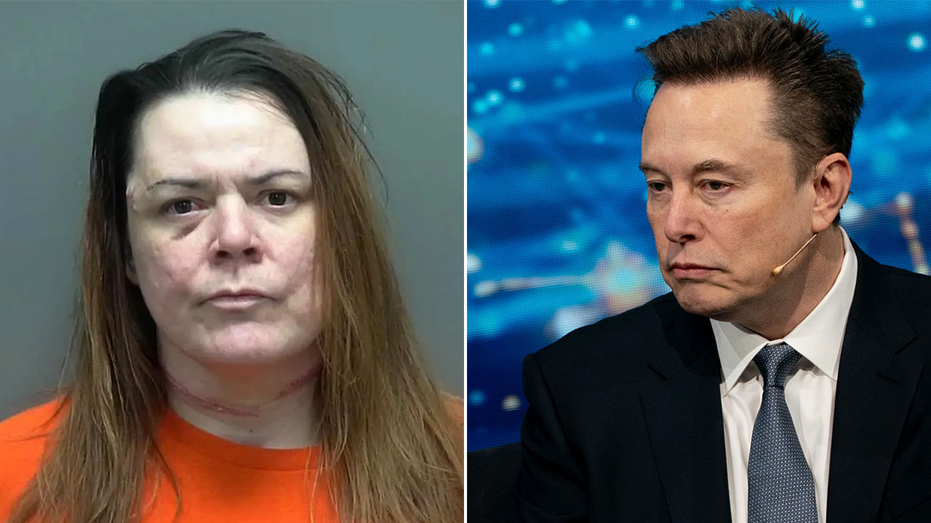
A small Wisconsin community is reeling after authorities say a mother fatally stabbed her 14-year-old daughter and later claimed she committed the crime to “protect” her from billionaire entrepreneur Elon Musk.
The case, unfolding in the Town of Turtle in Rock County, has stunned residents and left a grieving family searching for answers. Investigators allege that Tyiece Oninski confessed to killing her daughter, Kuren Rein, during a phone call to law enforcement on March 20. Court documents describe a tragedy marked by violence, apparent mental distress, and drug use.
Authorities say the facts gathered so far point to a horrifying crime inside the family’s own home — and a deeper warning about the deadly consequences of untreated mental illness and substance abuse.
What Authorities Say Happened
According to a criminal complaint filed in Rock County, Oninski contacted law enforcement and admitted she had killed her teenage daughter the previous night. The complaint was filed through the Wisconsin Circuit Court Access system, which tracks criminal proceedings statewide.
The roughly 13-minute call reportedly included disturbing statements in which Oninski said she ended her daughter’s life to “protect her from somebody else.” When pressed for clarification, she allegedly stated she wanted to protect her from Elon Musk.
At one point during the call, dispatchers asked whether she needed medical attention. Her response was deeply chilling.
“She’s dead, honey. She needs a hearse,” Oninski reportedly told authorities.
Deputies from the Rock County Sheriff’s Office responded to the home in the Town of Turtle, a small community located along the Wisconsin-Illinois border. Inside, they discovered 14-year-old Kuren Rein deceased from multiple stab wounds. A knife and sheath were found nearby.
Investigators also noted a partial bare footprint at the scene. According to the complaint, Oninski’s left foot was later observed to be stained with what appeared to be blood, matching evidence inside the home.
Attempted Suicide and Hospitalization
Authorities say Oninski had also inflicted wounds upon herself, including cuts to her neck and wrists, in what appears to have been a suicide attempt following the alleged killing.
She was transported to a local hospital for treatment and evaluation. There, medical testing reportedly revealed the presence of multiple substances in her system, including benzodiazepines, amphetamines, and THC.
Benzodiazepines are typically prescribed for anxiety or sleep disorders but can impair judgment when misused. Amphetamines are stimulant drugs that can sharply impact perception and behavior. THC is the psychoactive component of marijuana. The combination of these substances can create severe psychological instability, particularly when taken improperly or without medical supervision.
While hospitalized, investigators say Oninski asked a deputy whether her name had appeared in the news and expressed disappointment upon being told it had not yet been reported.
A Community in Shock
The Town of Turtle, which operates under local governance in Rock County, is not known for violent crime. Like much of rural Wisconsin, it is a tight-knit area where neighbors know each other and families often span generations. Information about the town is available through the Town of Turtle’s official website.
For many in the community, the idea that a mother could allegedly kill her own child — especially under such bizarre reasoning — is almost incomprehensible.
Kuren Rein was just 14 years old. Friends and family describe her as deeply loved and deserving of dignity and remembrance. A fundraiser launched to support her surviving family members has raised more than $17,000, reflecting an outpouring of solidarity from both locals and strangers moved by the tragedy.
The fundraiser notes that Kuren’s brother now faces unimaginable grief after losing his sister in what organizers describe as an “unthinkable” act. Funds are intended to help cover funeral expenses and provide stability during an emotionally devastating period.
The Elon Musk Reference: Delusion or Distortion?
One of the most striking aspects of the case is the alleged claim that the killing was done to protect the teen from Elon Musk, the high-profile CEO of Tesla and SpaceX, and owner of the social platform X.
There is no evidence — nor any suggestion from authorities — of any actual threat or contact involving Musk and the family. Law enforcement has not indicated any connection whatsoever between the billionaire executive and the victim.
Cases such as this sometimes involve what mental health professionals describe as persecutory or grandiose delusions. These delusions can attach themselves to well-known public figures, especially individuals whose names dominate media headlines.
Elon Musk, as one of the most widely recognized business leaders in the world, frequently appears in national conversations about space exploration, electric vehicles, artificial intelligence, and free speech. For individuals in psychological crisis, high-profile names may become focal points in distorted thinking patterns.
It is critical to emphasize that there is no indication of wrongdoing or involvement by Musk. The reference appears, based on public records, to stem purely from statements allegedly made by the accused.
The Role of Substance Abuse
The reported presence of benzodiazepines, amphetamines, and THC in Oninski’s system has added another layer of concern.
Substance abuse remains a growing national issue. According to the Substance Abuse and Mental Health Services Administration (SAMHSA), millions of Americans struggle with substance use disorders each year. The mixing of sedatives and stimulants, especially without medical oversight, can create significant neurological and psychological instability.
Potential effects of combining these substances may include:
- Impaired judgment and decision-making
- Paranoia or psychosis
- Severe mood swings
- Disorientation
- Increased risk of violence or self-harm
While toxicology results alone do not explain criminal conduct, the presence of multiple impairing substances raises serious questions about the role of intoxication or chronic misuse in this case.
Mental Health and Parental Responsibility
The tragedy also underscores broader conversations about untreated or inadequately addressed mental health conditions.
Across America, communities face the sobering reality that mental illness, when left untreated or combined with substance misuse, can spiral into devastating outcomes. Yet at the same time, mental illness does not excuse violent crime. The justice system exists to protect victims and hold individuals accountable while evaluating competency and responsibility under the law.
Under Wisconsin law, defendants may raise issues related to mental disease or defect. Such determinations are evaluated through court-ordered examinations and judicial proceedings. The statutory framework is outlined under the Wisconsin Statutes § 971.15, which governs mental responsibility defenses.
Whether such a defense will be raised in this case remains to be seen. As of now, the focus remains on criminal charges tied directly to the alleged homicide.
Justice Process Moving Forward
Oninski faces serious criminal charges and is expected to proceed through the Rock County court system. Wisconsin prosecutors must prove guilt beyond a reasonable doubt. Law enforcement agencies continue to gather evidence, interview potential witnesses, and process forensic findings.
The American justice system operates on the presumption of innocence until proven guilty in a court of law. However, the severity of the allegations — including the defendant’s own reported admissions — places this case among the most disturbing in recent memory for the region.
Residents and observers alike will be watching closely as the legal process unfolds.
A Family’s Unthinkable Loss
Lost amid the headlines and shocking details is the life of a 14-year-old girl whose future was cut short.
Kuren Rein’s death leaves a permanent void for her brother and extended family. The fundraiser established in her memory describes a young life “loved deeply” and deserving of honor.
No child should meet such an end. And no sibling should bear such an emotional burden at such a young age.
The response from the community — through donations, messages of support, and shared mourning — serves as a reminder that while evil actions can shatter lives, the American spirit still rallies around the innocent and vulnerable.
Broader Implications for Communities Nationwide
This heartbreaking case is not merely a local crime story. It raises larger issues confronting communities across the country:
- The importance of early mental health intervention
- The dangers of substance misuse
- The need for family and community awareness when warning signs emerge
- The protection of children within the home
Across America, families depend on law enforcement and the justice system to step in when tragedy strikes. But prevention — through vigilance, responsible prescribing practices, community engagement, and personal accountability — remains crucial.
Strong families form the backbone of our nation. When that foundation cracks, the consequences can be devastating.
Remembering the Victim
As this case moves through Wisconsin’s courts, the focus should not remain solely on the shocking claims or the accused’s statements. The true tragedy lies in the young life lost.
Kuren Rein was a daughter, a sister, and a member of her community. She deserved protection, opportunity, and the promise of an American future filled with possibilities.
Instead, her name now stands as a solemn reminder of how quickly stability can collapse when mental instability and substance abuse converge in the worst possible way.
Wake Up America News will continue following developments in this case as additional court proceedings unfold. Our prayers remain with the innocent family members left behind — and with a community determined to seek justice and healing after an unimaginable loss.