Taxpayer-Funded Prison Tablets in California Raise Serious Questions About Oversight and Accountability
California’s prison system is once again under scrutiny after reports surfaced that inmates on death row have been using state-issued tablets to access pornography and engage in sexually explicit conversations—activities critics say undermine public trust and dishonor crime victims.
The controversy centers on a sweeping digital initiative by the California Department of Corrections and Rehabilitation (CDCR), which has distributed roughly 90,000 electronic tablets to incarcerated individuals across the state. The program was marketed as a rehabilitation tool designed to improve communication with family members, expand educational access, and help prepare inmates for reentry into society.
But troubling allegations now suggest that at least some death row inmates have found ways to bypass or exploit system controls, raising new concerns about security safeguards, vendor oversight, and taxpayer spending priorities.
A Massive Digital Rollout Across California Prisons
Over the past several years, California has aggressively pushed what officials call the “California Model,” a reform effort designed to emphasize rehabilitation and human dignity within correctional facilities. Inspired in part by Norway’s correctional philosophy, the initiative aims to reduce recidivism by focusing on mental health, education, skill-building, and family connection.
Under this framework, tens of thousands of tablets were deployed across state facilities, including institutions such as Avenal State Prison and High Desert State Prison. The devices allow inmates to:
- Send and receive digital messages
- Participate in video calls
- Access educational materials
- View religious texts, including the Bible
- Engage in reentry programming
While the tablets themselves are reportedly provided at no upfront cost to inmates, usage fees apply. According to CDCR, messages cost five cents per text, and video calls are charged at 16 cents per minute. Some lawmakers, including State Sen. Josh Becker, have argued that even those modest fees create inequitable barriers for families.
“We created a pathway for them to reach out and groom folks,” warned Douglas Eckenrod, former deputy director of California’s adult parole operations, referring to claims that the system may be vulnerable to abuse.
Allegations of Pornography and Security Evasion
According to individuals interviewed in recent reporting, certain condemned inmates have allegedly used tablet video features to view pornographic content by connecting with people outside prison walls.
The method described is indirect but concerning: an inmate initiates a video call, and the individual on the outside plays explicit content on their own television or device, allowing the inmate to watch it live through the camera feed. While tablets are said to have no open internet access, critics argue that video-based loopholes may undermine those safeguards.
Some inmates also claimed explicit photos were exchanged through messaging functions and that sexually explicit conversations regularly occur via approved communication channels.
In one particularly troubling allegation, a convicted child sex offender reportedly continued contacting and intimidating a prior victim while incarcerated, using prison communication tools to facilitate contact through third parties. Prosecutors alleged he requested sexually explicit images from the minor.
If true, such incidents raise grave questions about screening, monitoring, and victim protection.
CDCR Responds: “Secure, Monitored Rehabilitation Tools”
CDCR officials strongly dispute claims that the tablet program is out of control. In public statements, department representatives emphasized that the devices are tightly regulated, monitored, and restricted.
The agency has described the reports as exaggerated and sensationalized, maintaining that:
- There is no open internet access
- Communications are monitored
- The devices reduce contraband trafficking
- Secure digital platforms can actually improve facility safety
Officials argue that tablets have reduced physical mail and helped curb smuggling schemes, including drone-based contraband drops and illegal cell phones—longstanding problems in state correctional systems.
CDCR also highlights rehabilitative benefits aligned with the broader California Model, which aims to reduce repeat offending and prepare inmates for eventual reintegration. While critics focus on misuse, supporters argue that tens of thousands of inmates use the tablets appropriately for education and family contact.
The Role of Securus Technologies and Contract Costs
The tablet system is operated under contract with Securus Technologies, a major prison telecommunications provider. California recently entered into a contract that could cost taxpayers up to $315 million if optional extensions are exercised. The core agreement is valued at approximately $189 million over six years.
State officials have said the contract charges less than prior vendors for similar services. However, some inmates and family members have raised concerns about price discrepancies.
For example:
- Inmates reported that the cost per message sometimes exceeded originally advertised rates.
- Streaming movies through tablet services reportedly mirrors commercial “outside world” prices.
- Certain new-release titles allegedly cost $8.99 with only a 48-hour viewing window.
Critics argue that these microtransactions generate significant revenue from a captive population and their families. Supporters counter that digital services, even in prison, come with infrastructure and maintenance costs.
The Bigger Political Context: A State Shifting Away from Capital Punishment
This controversy unfolds against the backdrop of California’s broader criminal justice reforms under Gov. Gavin Newsom.
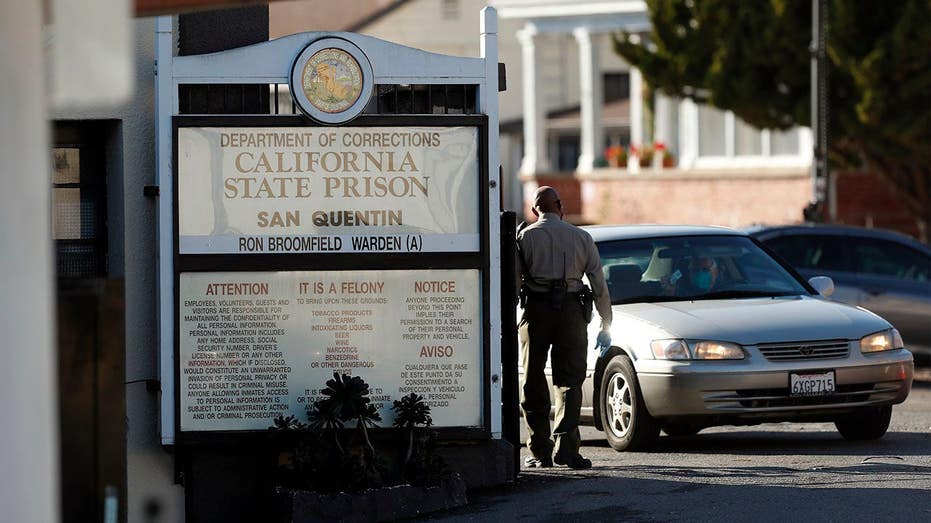
In March 2019, Newsom declared a moratorium on the death penalty, halting all executions and closing the execution chamber at San Quentin State Prison. California still houses the nation’s largest death row population, but no executions have occurred since 2006.
For many Californians—particularly victims’ families—the optics of death row inmates accessing digital tablets, entertainment, and allegedly pornographic material are deeply troubling.
The issue cuts to the heart of a philosophical divide:
- Rehabilitation-first reform versus
- Retributive justice and victim-centered accountability
Advocates of the California Model contend that humane treatment, even for the most serious offenders, reduces institutional violence and supports safer prison environments for staff and inmates alike.
Opponents argue that enhanced privileges for hardened criminals risk minimizing the severity of their crimes and eroding deterrence.
Victim Advocates and Public Trust
Perhaps the most sensitive aspect of this debate concerns victims and their families.
Katie James, chief of CDCR’s Office of Victim and Survivor Rights & Services, has previously stated that many victims appreciate efforts designed to ensure that released individuals are less likely to harm others in the future. Supporters of reform say long-term public safety requires addressing root causes of criminal behavior.
Yet critics respond that public sentiment shifts dramatically when reforms appear to create opportunities for predatory behavior—particularly in cases involving sex offenders and serial criminals.
Former parole officials warn that digital access, even under supervision, can be exploited if oversight mechanisms are not airtight. The grooming risks associated with communication privileges are not theoretical in nature; law enforcement agencies across the country have documented similar vulnerabilities in past prison communication systems.
Balancing Rehabilitation with Responsibility
There is no serious debate that rehabilitation is an important pillar of modern corrections policy. Numerous studies have suggested that education, family engagement, and structured programming can reduce recidivism.
But the allegations emerging from California raise a legitimate governance question: Are current controls sufficient when applied to inmates serving life sentences or awaiting potential execution?
Taxpayers in any state expect that correctional systems will:
- Protect the public and potential future victims
- Safeguard prior victims from further trauma
- Ensure fiscal transparency
- Prevent misuse of publicly funded programs
If communication systems can be manipulated to transmit explicit material or facilitate threats, the burden is on corrections officials to demonstrate how they are identifying and closing those vulnerabilities.
What Happens Next?
Moving forward, several key questions remain:
- Will California conduct an independent audit of tablet monitoring systems?
- Are there technological safeguards that can prevent video-call exploitation?
- Will lawmakers revisit pricing transparency in the Securus contract?
- Should different privilege tiers apply to death row inmates?
The answers will shape not only California’s prison system but also national conversations about correctional reform. Many states are watching closely as digital access expands inside U.S. prisons.
At its best, technology can be a powerful tool for education, faith development, and family bonding. At its worst, it can create new channels for exploitation—especially when oversight fails.
An America-First Perspective on Prison Reform
Americans believe in second chances. But they also believe in accountability, transparency, and justice for victims.
Rehabilitation and public safety should not be opposing concepts—they must work together. Programs funded by taxpayers must demonstrate measurable benefits and airtight safeguards, particularly when applied to individuals convicted of the most heinous crimes.
As California continues its experiment with digitally connected prisons, one principle should remain non-negotiable: reforms must strengthen communities, protect the innocent, and respect the memory of victims.
Anything less risks undermining public confidence in a system that is supposed to serve law-abiding citizens first.
Wake Up America News — Your Source for Patriotic News.