Massachusetts Community Shaken After Affidavit Details Alleged Killing of Two Young Children
If you or someone you know is struggling with thoughts of suicide, help is available. You can call or text 988 to reach the Suicide & Crisis Lifeline, or dial 1-800-273-TALK (8255). Immediate support is available 24/7.
A quiet neighborhood in Wellesley, Massachusetts has been left reeling after investigators released an arrest affidavit outlining the disturbing details surrounding the deaths of two young children. Authorities allege that 49-year-old Janette MacAusland killed her 7-year-old son, Kai, and 6-year-old daughter, Ella, inside their family home before fleeing the state.
The allegations, described in court filings, paint a tragic picture of a family in crisis—one that prosecutors say culminated in a horrifying act of violence. As the legal process unfolds, the case has sparked renewed debate over domestic instability, parental mental health, and the warning signs communities must not ignore.
What the Arrest Affidavit Reveals
According to the affidavit filed in Massachusetts court, MacAusland arrived at a relative’s home in Vermont in a visibly distressed state shortly after the children’s deaths. The relative—identified as her aunt—told investigators she observed a significant neck wound on MacAusland and said she appeared hysterical and covered in dried blood.
The affidavit alleges that MacAusland admitted she had attempted to take her own life. Investigators further stated that she made statements indicating she had intended for herself and her two children to “go to God together,” according to the relative’s account.
Authorities say MacAusland later acknowledged to her aunt that she had killed her children and then attempted suicide. The aunt promptly contacted law enforcement.
When Vermont police officers responded and questioned MacAusland about the well-being of her children, officials say she shook her head and stated that she had strangled them. According to the affidavit, she told police the children’s bodies could be found in her bed at the family’s home in Wellesley.
Officers with the Wellesley Police Department were subsequently dispatched to the residence, where they confirmed the children were deceased.
Flight Across State Lines and Arrest in Vermont
After the alleged killings in Massachusetts, prosecutors say MacAusland drove north to Vermont. Because she crossed state lines following the alleged crime, Vermont authorities initially held her on a fugitive from justice charge.
She was later arraigned remotely and waived her extradition rights, clearing the way for her return to Massachusetts to face prosecution. Court records reflect that she has been formally charged with two counts of murder.
The legal process now shifts back to the Commonwealth, where the case will proceed under Massachusetts criminal law. Under state statutes, a murder conviction can carry life imprisonment without the possibility of parole. Massachusetts does not have the death penalty, a position reaffirmed by the Massachusetts Supreme Judicial Court decades ago.
Divorce and Custody Dispute Add Context
Publicly available records from the Massachusetts Court System reveal that MacAusland’s husband, Samuel MacAusland, filed for divorce in October after nine years of marriage. The filing cited an “irretrievable breakdown of the marriage,” the standard legal language used in no-fault divorce proceedings in Massachusetts.
According to the court filings, a custody dispute over the two children was underway. Domestic relations cases can be emotionally charged, particularly when questions of parental rights, visitation, and the children’s living arrangements are in flux.
While divorce itself is common in America, high-conflict custody battles can intensify stress within families. Legal experts note that during such disputes, courts attempt to prioritize the “best interests of the child,” a central standard under Massachusetts family law.
At this stage, authorities have not publicly connected the custody proceedings to a motive beyond noting their existence. The investigation remains ongoing, and prosecutors will likely present further details in future hearings.
A Community in Shock
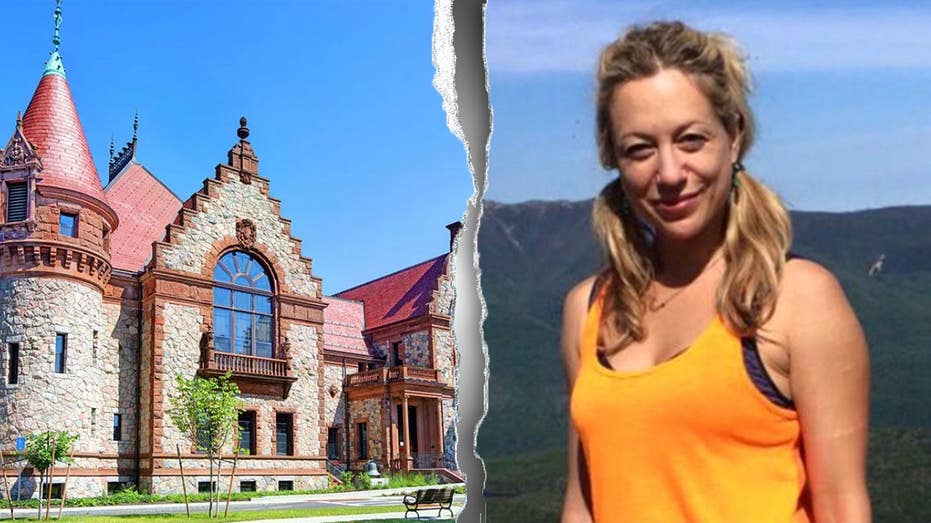
Wellesley, located roughly 15 miles west of Boston, is known for its strong schools, civic engagement, and quiet residential character. The town is also home to Wellesley College, one of the nation’s most respected liberal arts institutions.
Residents described the neighborhood where the MacAusland family lived as peaceful and family-friendly—a place where children bike down tree-lined streets and neighbors know one another by name.
That sense of safety has been deeply shaken.
“This is something you just never expect to hear here,” one local resident reportedly told regional media outlets. “It’s every parent’s worst nightmare.”
In tight-knit communities, crimes involving children reverberate far beyond the families directly involved. Schools, churches, youth sports leagues, and neighborhood associations often come together to provide support when tragedy strikes.
The Legal Road Ahead
Now that MacAusland has waived extradition, she will be transported to Massachusetts to be formally processed and scheduled for further court proceedings. In homicide cases, the process typically includes:
- Arraignment and formal reading of charges
- Appointment or confirmation of legal counsel
- Evidentiary hearings
- Potential indictment by a grand jury
- Pretrial motions and, if no plea agreement is reached, trial
Her attorney did not respond to requests for public comment, and no formal defense narrative has yet been presented in court. As in all criminal cases in the United States, MacAusland is presumed innocent unless and until proven guilty beyond a reasonable doubt.
Broader Questions About Family Crisis and Prevention
While the court case will focus narrowly on criminal responsibility, the broader tragedy raises difficult national questions. America continues to confront rising concerns about mental health, family instability, and the pressures facing parents in high-stress situations.
Custody disputes can be emotionally draining and financially burdensome. According to the American Bar Association, family law cases frequently involve intense conflict, particularly when one or both parties believe access to their children is at stake.
At the same time, mental health advocates stress the importance of recognizing warning signs, including:
- Expressions of hopelessness or despair
- Statements involving self-harm or harm to others
- Sudden withdrawal from family or community life
- Escalating emotional instability
Law enforcement officials nationwide emphasize that early intervention can make a life-saving difference. The availability of crisis support resources, such as the national 988 hotline, is intended to ensure that individuals in acute distress have someone to turn to before irreversible decisions are made.
The Sanctity of Innocent Life
Tragedies involving children strike at the very core of the American conscience. Children represent innocence, promise, and the future of our nation. When their lives are cut short—especially within the walls of what should be a safe and loving home—the public response is one of sorrow, disbelief, and righteous anger.
Families across the country work tirelessly to protect their children from outside dangers. Cases like this serve as a grim reminder that some threats arise internally, born from crisis, instability, or untreated emotional trauma.
At the same time, the American justice system exists precisely for moments like this—to evaluate evidence impartially, establish facts, and determine accountability under the law.
Community Healing and Accountability
As the case proceeds, the people of Wellesley—and indeed the broader Massachusetts community—will undoubtedly seek healing. Vigils, counseling services for classmates, and outreach efforts are often part of the communal response when young lives are lost.
For the father, extended family members, classmates, and neighbors, the road ahead will be long. No legal outcome can restore what has been taken.
But accountability matters. Due process matters. And ensuring that facts are brought fully into the light matters.
America’s justice system, rooted in constitutional safeguards and the rule of law, exists not only to punish wrongdoing but to uphold the principle that every life—especially the life of a child—has inherent value.
Where the Case Stands Now
At present:
- Janette MacAusland faces two counts of murder in Massachusetts.
- She has waived extradition after being held in Vermont on a fugitive charge.
- The investigation remains active, with further court appearances expected.
- No formal plea has been entered publicly.
Prosecutors are expected to continue building their case as forensic examinations, digital evidence reviews, and witness statements are finalized. Defense counsel will have the opportunity to mount a legal response in the weeks ahead.
For now, a suburban home in Wellesley stands as a silent reminder of a family torn apart—and of two young children whose lives ended far too soon.
As Americans, we must continue to support systems that protect children, strengthen families, and provide immediate help to those in crisis. And we must remain committed to truth and justice as this case moves forward in the courts of Massachusetts.