Las Vegas Grocery Store Shooting Leaves Two Dead Amid Bitter Custody Dispute
A horrific act of violence unfolded inside a neighborhood grocery store in Las Vegas this week, leaving two people dead and a community searching for answers. Authorities say the tragedy was fueled by a long-simmering custody dispute that ultimately escalated into deadly gunfire at a place where families simply gather to buy food and earn an honest living.
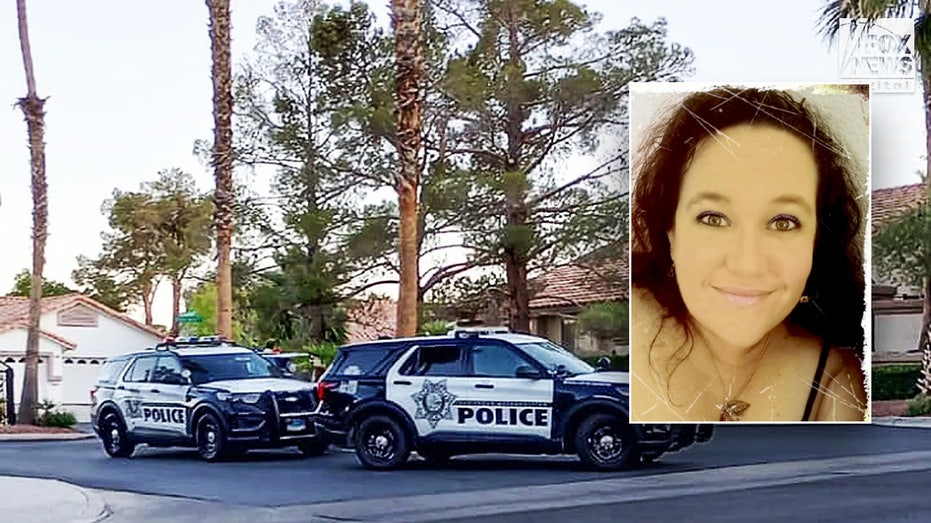
According to the Las Vegas Metropolitan Police Department (LVMPD), 43-year-old Alejandro Estrada has been charged with multiple felonies, including two counts of murder, after allegedly killing his ex-wife, Amanda Rosas, and her husband, Victor Frias Rosas, inside the Smith’s grocery store where they worked.
What happened inside that store is a sobering reminder that personal disputes—especially those involving family courts and custody disagreements—can spiral into devastation when anger replaces reason and the rule of law.
A Calculated Attack at a Shared Workplace
Police reports indicate that Estrada entered the Smith’s grocery store during business hours and immediately opened fire. The couple, who were both employed at the location, had no warning before the violence erupted.
Shoppers described chaos as customers ran for safety. Yet amid the confusion and fear, several brave citizens took decisive action. Witnesses say store patrons tackled Estrada and restrained him until officers with the LVMPD arrived and placed him under arrest.
One shopper described the suspect as calm and expressionless in the aftermath—an unsettling detail that has only deepened public concern about the mindset behind the attack.
The victims, Amanda Rosas and Victor Frias Rosas, were pronounced dead at the scene. Their lives, like so many others lost to senseless violence, ended not on a battlefield or in service to country, but at their place of employment—working to provide for their family.
The Custody Battle at the Center of the Tragedy
Investigators believe the shootings were connected to a contentious child custody dispute between Estrada and his ex-wife. Though Amanda Rosas had remarried last year, court tensions reportedly remained unresolved.
The couple shared two children—a 12-year-old son and a 9-year-old daughter—who are now left without their mother. Reports indicate that Estrada owed more than $2,800 in child support at the time of the shooting, adding financial strain to an already volatile situation.
Custody battles, particularly those prolonged by court proceedings, can become emotionally charged and deeply personal. Family courts across the nation handle thousands of similar disputes every year. In Nevada, child custody and support matters are overseen through the Nevada court system, which encourages mediation and structured legal remedies rather than personal retaliation.
This tragedy underscores a fundamental truth: disagreements must be settled within the legal framework of our justice system—not through violence.
Facing Serious Charges Under Nevada Law
Estrada now faces 12 criminal charges, including two counts of murder. Under Nevada Revised Statutes 200.030, murder charges can carry penalties ranging from life imprisonment to, in certain circumstances, capital punishment.
While prosecutors have not publicly outlined whether they will pursue the harshest available penalty, the seriousness of the charges reflects the gravity of the alleged crime.
Law enforcement officials also confirmed that Estrada had multiple weapons in his possession at the time of the attack. Authorities have not yet released full details about the weapons involved, but investigators continue to examine how the incident unfolded and whether warning signs were missed.
Everyday Americans Step Up
One of the most striking aspects of this incident was the quick response from ordinary citizens inside the store. Before police arrived, shoppers tackled and restrained the suspect.
In a moment when fear could have caused paralysis, people stepped forward. Those actions likely prevented additional loss of life. Though law enforcement professionals are trained for these situations, the courage displayed by bystanders reminds us that community responsibility still runs strong in America.
The swift response of LVMPD officers also highlights the ongoing efforts of local law enforcement to address violent crime in Las Vegas. The department, which serves Clark County and the greater Las Vegas area, has faced increased scrutiny and heavy workloads in recent years as the city continues to grow.
Public safety remains a core function of government, and this case reinforces why communities depend on well-trained officers who can respond rapidly to emergencies.
A Troubling Pattern of Violence in the Area
This shooting comes amid a series of disturbing violent incidents in Las Vegas in recent weeks.
Just days earlier, police arrested a local high school student in connection with the murder of a 61-year-old homeless woman, Marceline Biasini. According to law enforcement reports, Biasini was discovered on a sidewalk outside a business, suffering from fatal injuries.
Surveillance footage reportedly captured a suspicious late-night encounter. Though the precise location of the assault was partially obstructed from cameras, audio picked up a scream followed by repeated loud thuds.
The teenage suspect, identified in local reporting as Dennis Geiggar, had previously been expelled from school amid allegations of behavioral issues, including attempts to start a fire on campus and documented anger-related incidents.
While the circumstances of these two cases are different, the proximity of both tragedies has left residents shaken and questioning what more can be done to prevent violence before it erupts.
The Broader Conversation on Family Conflict and Public Safety
Family disputes turning violent are, sadly, not new in American society. According to data compiled by the Bureau of Justice Statistics, incidents involving family members or intimate partners account for a significant portion of violent crime nationwide.
But statistics only tell part of the story. Behind every number is a family shattered, children traumatized, and a community altered forever.
Child custody conflicts can be especially fraught. Emotions tied to parental rights, financial obligations, and new romantic relationships can create skyrocketing tensions if not handled constructively.
That is why courts emphasize mediation, structured visitation rules, and enforceable child support orders. Systems may not be perfect, but they provide lawful channels for resolution—channels designed specifically to prevent conflict from becoming catastrophe.
Community Impact and the Human Toll
For the employees at Smith’s grocery store, the violence did not just steal two coworkers—it invaded a workplace that many considered a second home. Grocery stores serve as pillars of community life. They are where neighbors see one another weekly, where children tag along with parents, and where employees build relationships with regular customers.
The emotional impact will likely linger long after police tape is removed and headlines fade. Counseling services are often made available in the aftermath of workplace tragedies, but healing from such trauma takes time.
Most heartbreaking of all are the two children left behind. Losing a mother under any circumstances is devastating. Losing her to public violence while custody battles rage in the background adds another layer of trauma that no child should have to endure.
The Importance of Accountability and Rule of Law
America is built on the principle that disputes—no matter how personal—must be resolved through lawful means. When individuals take justice into their own hands, the consequences ripple far beyond their immediate grievances.
This is why strong prosecution, due process, and adherence to the Constitution’s guarantees—outlined at Archives.gov—remain crucial. The rule of law exists not only to punish wrongdoing but to protect the innocent and preserve civil order.
In cases like this, accountability serves both justice for the victims and a reminder that personal rage cannot override legal authority.
What Comes Next
As Estrada moves through the Nevada criminal justice system, prosecutors will present evidence, defense attorneys will respond, and a court will determine his fate. The foundational principle of “innocent until proven guilty” will apply, even in the face of disturbing allegations.
Meanwhile, the community must process collective grief. Faith groups, local leaders, and neighborhood organizations often play key roles in helping residents come together after tragedy.
Public safety efforts may also receive renewed attention. Discussions around workplace security, domestic violence reporting, and early intervention strategies could emerge as policymakers evaluate whether warning signs existed prior to the shooting.
- How can family courts better de-escalate high-conflict cases?
- Are support systems for parents in custody disputes sufficient?
- What safeguards can workplaces implement when threats are known?
These are difficult questions, but asking them is a necessary step toward preventing similar atrocities.
An America Worth Defending
At its core, this tragedy strikes at something fundamental: the promise that Americans should be able to work, shop, and live without fear of targeted violence.
Our nation’s strength has never come from avoiding hard realities. It has come from confronting them—through law, community resolve, and a commitment to personal responsibility.
Custody disputes must be settled in court. Financial disagreements must be addressed legally. Anger must never be allowed to escalate into irreversible destruction.
The deaths of Amanda Rosas and Victor Frias Rosas are a somber reminder that when individuals abandon lawful processes, innocent lives pay the price.
Las Vegas will mourn. A family will grieve. Children will grow up marked by this moment. And a judicial process will now determine accountability.
In the end, the path forward is not found in outrage alone—but in reaffirming the principles that keep communities safe: respect for the law, personal responsibility, and unwavering support for the institutions that uphold justice.
That is how America honors the fallen—and how it works to ensure that such tragedies become fewer, not more.