Texas Leaders Demand Tougher Immigration Vetting After Deadly Austin Attack
WACO, TX – In the wake of a deadly shooting spree in Austin that left three people dead, including the gunman, and more than a dozen injured, Texas Attorney General Ken Paxton is calling for serious reforms to America’s immigration and naturalization system.
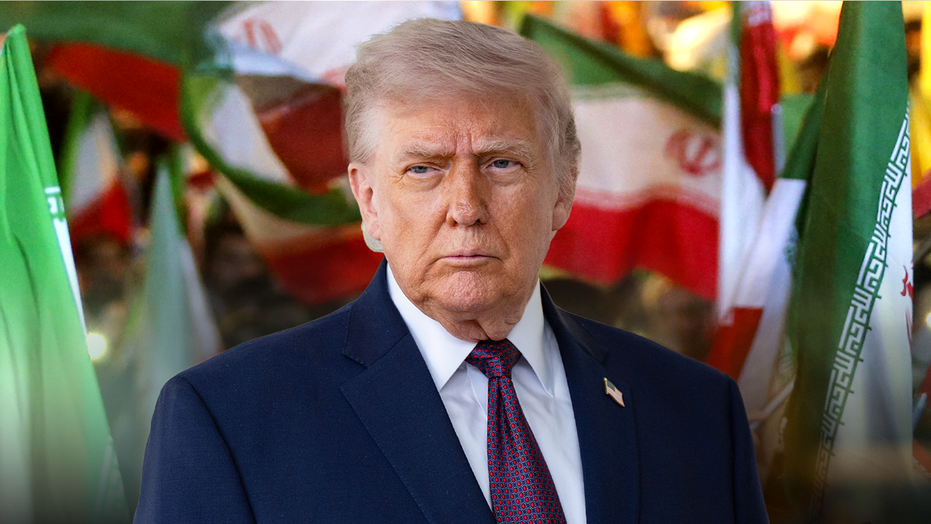
The suspect, identified as 53-year-old Ndiaga Diagne, was a naturalized U.S. citizen originally from Senegal who lived in Pflugerville, Texas. Federal law enforcement sources confirmed that Diagne carried out the attack while wearing a sweatshirt bearing the words “Property of Allah” and an undershirt displaying the Iranian flag. Authorities also reportedly discovered an Iranian flag and photographs of Iranian regime leaders inside his residence.
For Paxton, the tragedy underscores what many Americans have been warning about for years: the federal government must strengthen its screening process for those entering — and ultimately becoming citizens of — the United States.
“There’s no such thing as a perfect system,” Paxton said. “But we have to do a better job vetting people when they come here. Congress is going to have to figure out how to make that happen.”
The shooting erupted just days before Texas Republicans head to the polls in a heated U.S. Senate primary contest between Paxton and longtime Sen. John Cornyn. The horrifying events immediately reignited debate over border security, immigration enforcement, and national security.
Cornyn echoed concerns about federal failures in the immigration process, emphasizing the importance of thorough screening before individuals ever step foot in America.
“This highlights the importance of vetting people before they come across the border,” Cornyn said, pointing to years of lax enforcement that overwhelmed the system.
Cornyn criticized the previous administration’s border policies, arguing that open-border practices created chaos and strained the nation’s ability to properly monitor who was entering and remaining in the country. While noting that President Trump has since taken decisive steps to secure the border, Cornyn stressed that challenges remain with individuals already inside the United States.
The Department of Homeland Security confirmed that Diagne entered the U.S. in 2000 on a tourist visa. He later became a lawful permanent resident in 2006 after marrying an American citizen and was granted full U.S. citizenship seven years after that.
Paxton warned that years of mass illegal immigration have stretched law enforcement resources thin, making it increasingly difficult to track potential threats.
“The burden on the system has been overwhelming,” Paxton said. “When millions are pouring in, it becomes much harder for law enforcement to keep track of everyone with the limited resources they have.”
The case has also raised troubling questions about radicalization. Authorities are investigating possible extremist motivations behind the attack, given the suspect’s attire and materials found in his apartment.
Rep. Wesley Hunt, another Republican Senate candidate and a decorated Army veteran who flew Apache helicopters in combat, did not mince words in his response.
“Radical Islam has NO place in Texas,” Hunt declared, referencing his own experience confronting extremism on the battlefield.
While Democrats have used the moment to renew calls for stricter gun control laws, Texas Republicans argue that the core issue is national security, border enforcement, and ensuring that American citizenship is treated as a sacred privilege — not a rubber stamp.
The victims of the Austin shooting deserve justice. Their families deserve answers. And Texans — like all Americans — deserve a government that puts their safety first.
As the investigation continues, one thing is clear: securing the border and protecting the homeland cannot be optional. Citizenship is an honor, and safeguarding our communities must remain a top priority. For many Texans, this tragedy is yet another reminder that vigilance, strong leadership, and America First policies are not just political slogans — they are matters of life and death.