Trump Administration Cracks Down on Minnesota’s Medicaid Spending, State Fires Back With Lawsuit
Minnesota officials are taking the Trump administration to federal court after Washington moved to withhold $243 million in Medicaid payments, part of a much larger crackdown targeting what federal authorities describe as serious compliance failures and potential fraud within the state’s program.
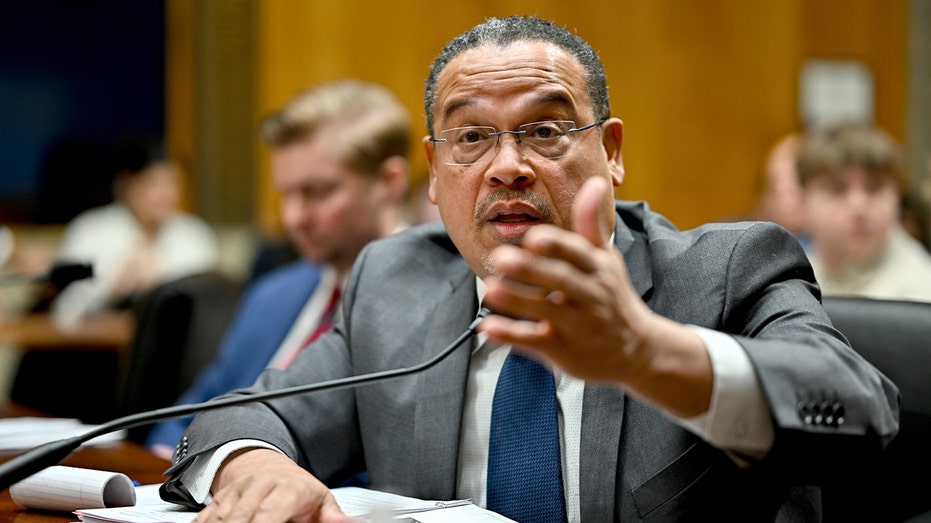
Attorney General Keith Ellison and the Minnesota Department of Human Services filed suit against the Centers for Medicare and Medicaid Services (CMS) and the U.S. Department of Health and Human Services (HHS), arguing the decision to freeze the funds violates federal law. The state is seeking a temporary restraining order in an effort to immediately restore the flow of taxpayer dollars.
A Major Fraud Investigation Underway
The dispute traces back to a January notice from the Trump administration warning that more than $2 billion per year in federal Medicaid funding to Minnesota could be withheld. Federal officials cited what they called “noncompliance” with Medicaid rules, specifically alleging that Minnesota failed to properly detect, prevent, and address fraud within its system.
In late February, CMS announced it would defer roughly $260 million in quarterly federal Medicaid funding to the state, including about $243 million tied to claims considered “unsupported or potentially fraudulent.” The move is part of a broader national effort to clamp down on waste, fraud, and abuse in taxpayer-funded healthcare programs.
Federal officials pointed to unusually high spending and rapid growth in areas such as:
- Personal care services
- Home- and community-based services
- Certain practitioner services
These spending spikes, according to CMS, raised red flags that demanded immediate scrutiny.
“The Era of Pay and Chase Is Over”
HHS Secretary Robert F. Kennedy Jr. made clear that the administration is taking a tougher stance on protecting taxpayer dollars.
“For decades, Medicare fraud has drained billions from American taxpayers — that ends now. We are moving away from the old ‘pay and chase’ system and toward real-time detection using advanced AI tools to stop improper payments before they ever go out the door.”
The administration’s position is simple: stop fraudulent or questionable payments first, ask questions later. In an era of ballooning federal debt and runaway entitlement spending, Washington is signaling that the days of rubber-stamping state reimbursements are over.
Minnesota Claims Due Process Violations
State officials, however, argue they were not clearly told how Minnesota allegedly violated federal standards or what corrective actions were required. In their lawsuit, they contend the administration improperly used a “deferral” mechanism to effectively punish the state without a formal finding of wrongdoing.
The frozen funds amount to about 7% of Minnesota’s quarterly Medicaid allotment. Ellison’s office claims the delay could lead to cuts in services for low-income residents if not resolved quickly.
Ellison blasted the move as politically motivated, arguing that the administration is overstepping its authority and targeting Minnesotans.
A Broader Pattern of Scrutiny
The conflict doesn’t exist in a vacuum. Minnesota has faced mounting scrutiny over vulnerabilities in its Medicaid program, including audits highlighting systemic weaknesses and concerns about oversight.
For many Americans, the situation underscores a larger debate: should the federal government continue sending billions to states with minimal oversight, or is it finally time to demand airtight accountability?
At stake is more than just one state’s funding stream. Medicaid is funded jointly by federal and state taxpayers, and Americans across the country have a vested interest in ensuring every dollar is spent lawfully and effectively.
As the legal battle unfolds, one thing is clear: the Trump administration is drawing a firm line when it comes to suspected fraud. Whether Minnesota can convince a federal judge to restore the withheld funds remains to be seen. But for taxpayers weary of waste and abuse, Washington’s message is unmistakable — the free pass era is over.