Fiery Interstate Tragedy Raises National Questions About Licensing Integrity and Immigration Oversight
A devastating crash on Interstate 71 in Ohio has left an entire community mourning—and has sparked serious concerns about identity fraud, licensing enforcement, and immigration accountability.
State officials confirm that the semitruck driver charged in a deadly chain-reaction collision not only held a commercial driver’s license, but allegedly obtained that license—and later U.S. citizenship—under a fraudulent identity. The tragedy claimed the lives of a young family of three and seriously injured several others, sending shockwaves far beyond Delaware County.
This is not just a story about one horrific accident. It is a story about how failures in documentation, verification systems, and cross-agency coordination can have fatal consequences.
The Crash That Changed Lives Forever
According to the Ohio State Highway Patrol, the deadly crash happened on April 11 along northbound Interstate 71 near U.S. Route 36 in Delaware County. Traffic had slowed due to a construction zone when a semitrailer barreled into vehicles ahead, triggering a chain reaction collision and a massive fire.
Investigators say the commercial truck slammed into slowed traffic without stopping in time. The impact caused multiple vehicles, including the semi, to ignite. What followed was chaos, panic, and horror.
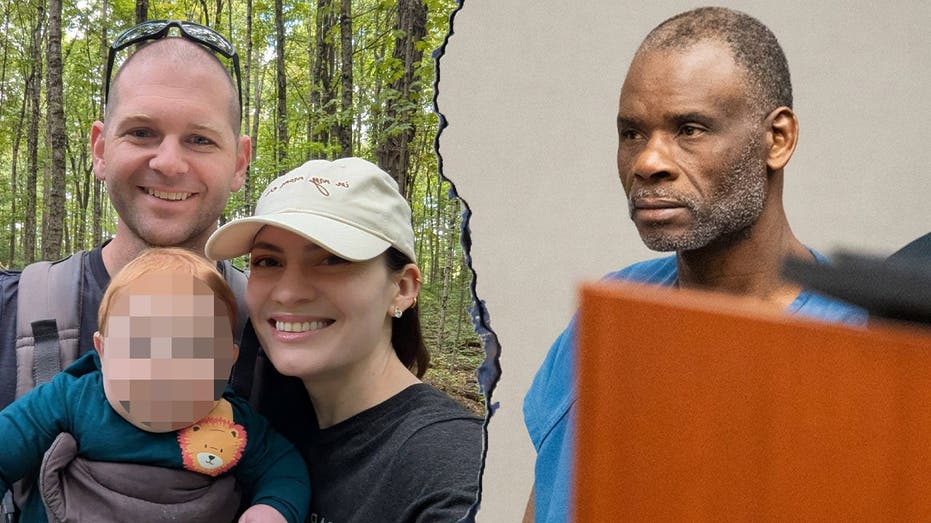
Three members of one family were killed:
- Luke Soposki, 37
- Lynnea Soposki, 36
- Their 1-year-old son, Logan
The family was traveling in a Chevrolet Silverado when the crash occurred. Three additional individuals suffered serious but non-life-threatening injuries.
The Soposkis were residents of Ashley, Ohio. Lynnea Soposki was a respected veterinarian, while Luke worked as an analytical chemist. The loss of two accomplished professionals—and their baby son—has devastated their community.
“Dr. Soposki was an extraordinary veterinarian, a compassionate caregiver and a deeply valued member of our team,” Muirfield Animal Hospital said in a public statement. “She brought kindness, dedication and a genuine love for her patients and their families into every interaction.”
Communities across Ohio are mourning not just three lives lost, but the disappearance of a young family with a future full of promise.
Terrifying 911 Calls Reveal Scene of Chaos
Dispatch recordings obtained following the incident paint a chilling picture.
Callers reported that victims were trapped inside vehicles as flames engulfed cars and the semitrailer. One caller frantically informed dispatchers that people appeared stuck in their vehicle as the fire spread. Another described a massive blaze visible across the roadway.
Witnesses described drivers exiting vehicles and standing on the highway in confusion and fear. Construction zones are already high-risk areas for both motorists and professional drivers. In this case, that danger became catastrophic.
The Driver: Identity Questions Emerge
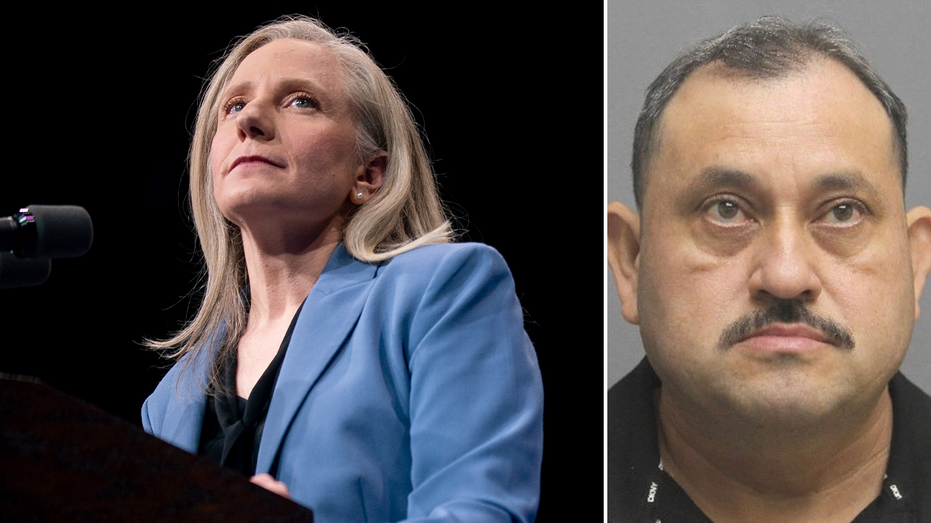
The driver of the semitruck, 50-year-old Modou F. Ngom, was arrested and later indicted on multiple felony charges, including vehicular homicide.
But shortly after the arrest, Ohio authorities uncovered troubling information unrelated to the mechanics of the crash itself.
According to Ohio Department of Public Safety Director Andy Wilson, state investigators discovered conflicting identity records tied to Ngom. The investigation involved both the Ohio Bureau of Motor Vehicles and the Ohio State Highway Patrol.
Officials determined that Ngom had:
- Entered the United States in the 1990s
- Used multiple names and dates of birth in state and federal records
- Obtained an Ohio driver’s license under an alternate identity
- Secured a commercial driver’s license (CDL) in 2007 under that identity
- Later became a naturalized U.S. citizen using that same alternate identity
- Changed his name back to Modou Ngom in 2015
If confirmed through federal investigation, the allegations represent a long-term manipulation of both state and federal systems.
Commercial Driver’s License: A Position of Public Trust
A Commercial Driver’s License (CDL) is not just a routine credential. It authorizes the operation of large commercial vehicles—machines that can weigh up to 80,000 pounds when fully loaded.
Due to the potential danger posed by tractor-trailers, the federal government and states impose stricter standards for CDLs than for standard driver’s licenses. Applicants must meet:
- Medical fitness standards
- Skills testing requirements
- Knowledge exams
- Identity verification protocols
- Background eligibility criteria
When identity verification fails, the consequences are severe. Commercial drivers operate daily on highways crowded with families, commuters, and small-business operators. Trust in licensing integrity is foundational to roadway safety.
How Citizenship Became Part of the Story
Even more concerning to many observers is the allegation that naturalized U.S. citizenship was obtained under the alternate identity.
U.S. naturalization is overseen by U.S. Citizenship and Immigration Services (USCIS), which requires:
- Verified identity documentation
- Background checks
- Biometric screening
- An oath of allegiance
If citizenship was indeed secured using fraudulent personal identifiers, it would raise profound concerns about identity verification safeguards in place at the time of approval.
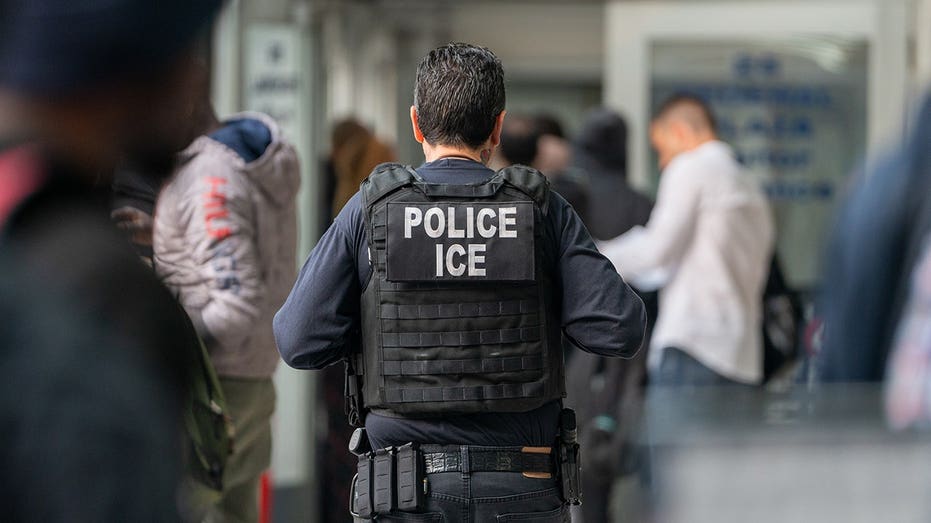
Ohio officials have referred the matter to U.S. Immigration and Customs Enforcement (ICE) and Homeland Security Investigations (HSI) for further review. The U.S. Attorney’s Office for the Southern District of Ohio has also been notified.
Federal authorities now face pressing questions:
- How did the conflicting identities pass through background screening systems?
- Were documentation safeguards bypassed?
- Were matching systems between state DMV records and federal immigration databases inadequate?
Vehicular Homicide and the Legal Road Ahead
Following the crash, Ngom was jailed and later indicted by a Delaware County grand jury on seven felony counts, including vehicular homicide.
Under Ohio law, vehicular homicide charges can stem from reckless or negligent operation of a vehicle resulting in death. The severity of charges and potential penalties often depend on evidence of recklessness, impairment, or violations of traffic safety laws.
The criminal case will focus primarily on the crash itself—driver conduct, braking distance, speed, construction zone warnings, and mechanical evidence.
However, separate investigations into identity fraud and potential immigration violations could unfold independently at the federal level.
Construction Zones: Known High-Risk Areas
Construction zones dramatically increase accident risk. According to federal highway safety data, reduced speeds, lane shifts, and sudden traffic slowdowns require heightened awareness—especially from commercial drivers handling heavy vehicles with extended stopping distances.
Large semitrailers require significantly more time and distance to come to a complete stop compared to passenger vehicles. When traffic suddenly stalls near construction, professional drivers must anticipate those patterns.
The fact that the crash occurred in a construction zone adds another layer of scrutiny regarding situational awareness and defensive driving standards.
The Bigger Picture: Identity Systems and Public Safety
This tragic case is forcing Ohio—and potentially the nation—to confront difficult but important questions.
Identity verification at the state level often relies on document review and database cross-checking. Over the past two decades, reforms such as the federal REAL ID Act have aimed to improve the reliability of state-issued identification.
Yet this case illustrates how individuals using multiple names and birthdates can potentially move through bureaucratic channels undetected for years.
If proven accurate, the timeline suggests identity discrepancies went unnoticed from the 1990s through at least 2015. That multi-decade gap raises hard truths about:
- Data-sharing limitations between agencies
- Verification technology gaps
- Paper-based documentation vulnerabilities
- Resource constraints in oversight enforcement
Americans expect that when someone operates an 80,000-pound vehicle on public highways, every credential has been thoroughly vetted.
A Community in Mourning
While the legal and policy implications are significant, the human cost remains the most painful reality.
Friends and colleagues describe Lynnea Soposki as compassionate and deeply dedicated to animal care. Her patients and co-workers at Muirfield Animal Hospital speak of her as a pillar of their clinic.
Luke Soposki, an analytical chemist, was described as devoted to his family and respected in his profession. Together, the couple were raising their infant son Logan—a child whose entire life lay ahead.
The loss of both parents and a baby in one moment of violent impact is a wound that will not quickly heal.
Accountability and Reform: What Comes Next?
Three separate legal and policy tracks are now converging:
- The criminal prosecution related to the crash itself
- A federal investigation into identity and naturalization records
- Broader policy discussions about state-federal data integration
State officials have emphasized their commitment to working with federal authorities to determine how the alleged identity discrepancies occurred and whether safeguards need strengthening.
For many observers, the case underscores the need for:
- Strong interagency communication
- Modernized verification systems
- Robust immigration document integrity
- Strict enforcement of commercial driver standards
Public safety depends on credible systems. When documentation processes fail, the consequences can extend far beyond paperwork—they can become matters of life and death.
Honoring the Victims Through Truth and Accountability
As investigators move forward, one truth remains unchanged: a young American family is gone.
Their loss deserves full transparency, thorough investigation, and accountability wherever the facts lead.
Americans deserve secure licensing systems, strong immigration enforcement, and highways that prioritize families over bureaucratic failure. The safety of our roads—and the integrity of our institutions—must never be taken lightly.
For the Soposki family and for communities across Ohio, justice now requires clarity, reform where necessary, and a renewed commitment to public safety rooted in accountability and the rule of law.
Wake Up America News — Your Source for Patriotic News.