Legal Showdown in Minnesota Raises Questions About Accountability and Equal Application of Justice
A Minnesota prosecutor has charged a federal immigration agent with felony assault after an alleged highway gun incident in Minneapolis — even as a separate, highly publicized assault on a conservative reporter during an anti-ICE protest has yet to result in criminal charges.
The contrast between the two cases has drawn sharp attention across the state and nationwide. On one hand, Hennepin County Attorney’s Office moved swiftly to file charges against a U.S. Immigration and Customs Enforcement officer. On the other, multiple individuals accused of physically attacking a journalist during a protest remain uncharged as investigations continue.
At the center of the controversy are two incidents tied to heightened tensions surrounding federal immigration enforcement efforts in the Twin Cities area.
Felony Charges Filed Against ICE Agent
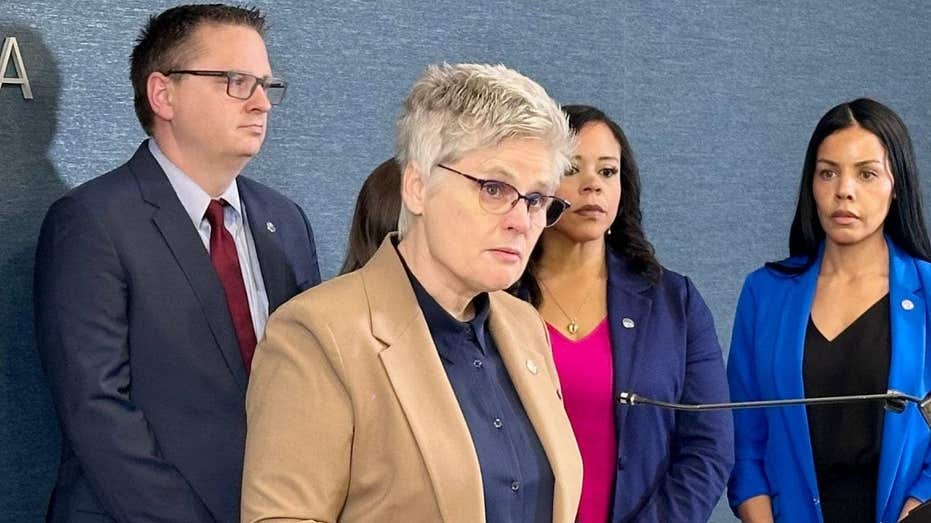
Hennepin County Attorney Mary Moriarty announced felony charges against ICE agent Gregory Donnell Morgan Jr. related to a February 5 confrontation on Highway 62 near the Interstate 35W interchange.
According to prosecutors, Morgan was driving during afternoon rush hour traffic as part of a broader federal enforcement initiative known locally as “Operation Metro Surge.” Authorities allege that the ICE agent drove onto the shoulder of the highway to bypass congestion, then accelerated to pull alongside another vehicle.
Prosecutors state that Morgan opened his window and pointed his service weapon at two occupants in the adjacent vehicle, directing the firearm toward their heads while matching their speed.
He now faces two counts of second-degree assault, each carrying a potential sentence of up to seven years in prison under Minnesota law. A nationwide warrant has reportedly been issued, and bail was set at $100,000 with conditions prohibiting weapon possession.
According to a public statement from the county attorney’s office, Morgan was not responding to an emergency at the time. Authorities say he told investigators he was returning to the Whipple Federal Building in Minneapolis at the end of his shift and planned to get gas.
The SUV he was driving was allegedly a rental vehicle without visible markings identifying it as federal law enforcement.
Agent’s Account of the Incident
According to the criminal complaint, Morgan told investigators he felt threatened and believed the individuals in the other vehicle had intentionally cut him off because he was a federal officer.
He allegedly yelled “Police! Stop!” and said he feared for his safety, describing the individuals as “agitators.”
The case raises broader questions about how off-duty or plainclothes federal officers navigate tense public environments, particularly during high-profile enforcement operations.
U.S. Immigration and Customs Enforcement (ICE), which operates under the Department of Homeland Security, has not publicly confirmed the details of Morgan’s employment status following the charges. As of this writing, formal disciplinary action from the federal agency has not been publicly announced.
“Operation Metro Surge” and Escalating Tensions
The highway incident did not occur in isolation. It unfolded during a wider federal enforcement push that has reportedly sparked protests across Minneapolis and surrounding suburbs.
Local officials say more than a dozen incidents involving federal agents are under investigation. County Attorney Moriarty noted during her press briefing that Morgan’s case moved faster because investigators were able to complete their work “without obstruction or interference.”
The comment appears to acknowledge broader political tension between Minnesota officials and federal authorities — tension that has played out in previous disputes over access to evidence and investigative cooperation.
The friction reflects a national debate over immigration enforcement authority and the balance of power between federal agencies and local jurisdictions.
Assault on Conservative Reporter Remains Under Review
At the same time prosecutors moved quickly in filing charges against the ICE agent, no charges have yet been filed in a separate incident involving Turning Point USA reporter Savanah Hernandez.
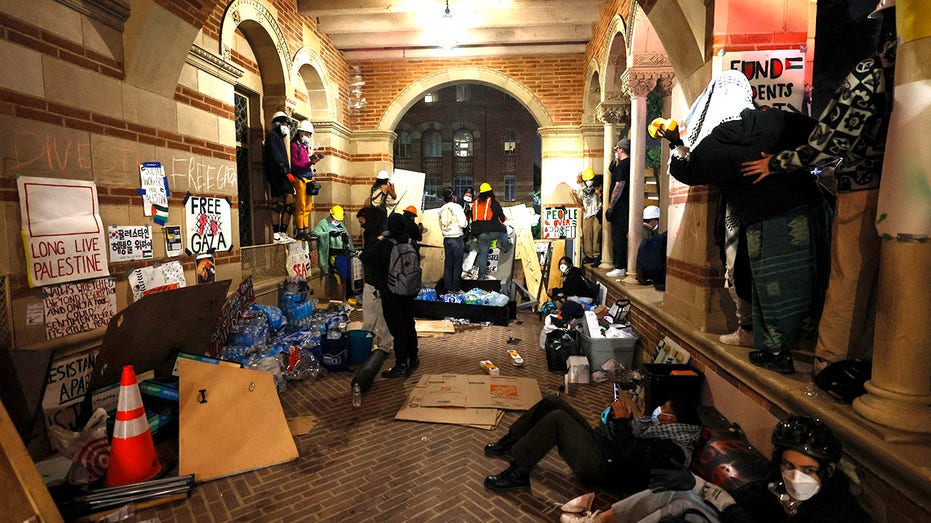
Hernandez was reporting outside the Whipple Federal Building during a protest against ICE operations when she was surrounded by demonstrators.
Video footage shared publicly shows protesters blowing air horns inches from her face, shouting obscenities, and shoving her as she attempted to leave the area.
In one moment captured on video, Hernandez was pushed into a fence. Later, another individual shoved her to the ground while she can be heard yelling, “Stop touching me” and “Leave me, I am trying to leave!”
Hernandez later reported suffering minor injuries, including scrapes and soreness.
Status of the Hernandez Investigation
A spokesperson for the Hennepin County Attorney’s Office confirmed that three case files connected to the Hernandez incident have been submitted by law enforcement and are currently under review. However, no arrests were made at the scene.
These cases were submitted “out of custody,” meaning suspects were not detained pending charging decisions.
Meanwhile, the Federal Bureau of Investigation has opened a federal inquiry into the matter. As of this report, no criminal charges have been announced at either the state or federal level.
The difference in charging timelines between the ICE agent case and the protest assault has fueled questions among critics who argue that political ideology may be influencing prosecutorial urgency.
The Legal Framework: Assault Charges in Minnesota
Under Minnesota law, second-degree assault involves the use of a dangerous weapon with intent to cause fear or bodily harm. The statute is available through the Minnesota Office of the Revisor of Statutes, which publishes state criminal codes.
If convicted, Morgan faces serious prison time and a permanent felony record.
By contrast, potential charges related to the Hernandez incident could include:
- Fifth-degree assault (misdemeanor)
- Disorderly conduct
- Harassment
- Obstruction of legal process
However, until formal charging documents are filed, it remains unclear which, if any, of these statutes prosecutors may pursue.
Freedom of the Press and Protected Activity
The Hernandez incident also raises First Amendment considerations. Journalists — regardless of political affiliation — are constitutionally protected while engaging in newsgathering activities in public spaces.
The First Amendment guarantees freedom of the press alongside freedom of speech and assembly.
While protesters themselves possess strong constitutional protections, physical assault is not protected activity. Courts have consistently distinguished between lawful expressive conduct and physical interference with others’ rights.
The case could ultimately test how seriously local prosecutors pursue allegations involving journalists covering controversial issues such as immigration enforcement.
Community Reaction and Political Implications
Community reaction in Minneapolis has been sharply divided.
Some residents and advocacy groups argue that federal agents operating in marked and unmarked vehicles during immigration crackdowns increase public confusion and tension. They say transparency reduces the risk of confrontation.
Others argue that prosecuting a federal officer so aggressively while taking months to assess charges against protesters who appeared on video shoving a reporter reflects troubling inconsistency.
The debate also carries national political weight. Immigration enforcement has become a defining issue in federal elections, with some leaders calling for expanded ICE authority and others pushing for strict local oversight.
The Bigger Picture: Law Enforcement Accountability Across the Board
There are two principles at stake in these events:
- Law enforcement officers must be held accountable when they misuse authority or escalate force improperly.
- Private citizens — including political activists — must also face consequences when they commit violence or assault.
A justice system that enforces only one of those standards risks undermining public confidence.
Federal officers carry significant authority and public trust. If an officer improperly brandishes a firearm outside of policy or legal justification, that conduct demands thorough investigation.
At the same time, journalists should be able to report — whether left-leaning or conservative — without facing physical intimidation.
What Happens Next?
For Gregory Donnell Morgan Jr., the next steps will unfold in Minnesota’s criminal court system, overseen by the Minnesota Judicial Branch. Court appearances and evidentiary hearings will determine whether the case proceeds to trial or resolution.
For Savanah Hernandez’s alleged attackers, the decision rests with prosecutors reviewing submitted case files. The FBI’s involvement introduces the possibility of federal civil rights charges, though no such action has yet been announced.
Multiple additional investigations tied to Operation Metro Surge remain ongoing, suggesting that legal headlines connected to federal immigration enforcement in Minnesota are far from over.
A Test of Consistency
The American legal system is built on equal application of the law — not selective enforcement based on politics, profession, or pressure from activists.
Charges against a federal agent demonstrate that prosecutors are willing to pursue serious allegations against law enforcement. That is a principle consistent with accountability.
But the public will also be watching closely to see whether violence against a journalist, captured on video in plain view, brings equally decisive action.
Whether one supports expansive immigration enforcement or opposes it, whether one agrees with Turning Point USA or rejects its message, the underlying principle remains unchanged: the rule of law must apply evenly.
As investigations continue, Minnesotans — and Americans nationwide — deserve clarity, transparency, and fairness from both local and federal authorities.
In moments of political tension, institutions are tested. The integrity of the justice system depends not on which side it favors, but on whether it treats every citizen and every official under the same standard of accountability.