What We Know About the White House Correspondents' Dinner Shooting — And Why It Matters for America
The annual White House Correspondents’ Association (WHCA) Dinner is traditionally billed as a lighthearted evening of speeches, satire, and self-congratulation by the political and media elite. This year, however, the event was overshadowed by a violent shooting scare that sent shockwaves through Washington, D.C., and raised serious questions about security, political rhetoric, and the temperature of our national discourse.
As new details emerge about the suspect, the sequence of events, and the fallout that followed, Americans are asking a simple question: How did this happen at one of the most heavily secured events in the nation’s capital?
The Suspect: What Authorities Have Confirmed
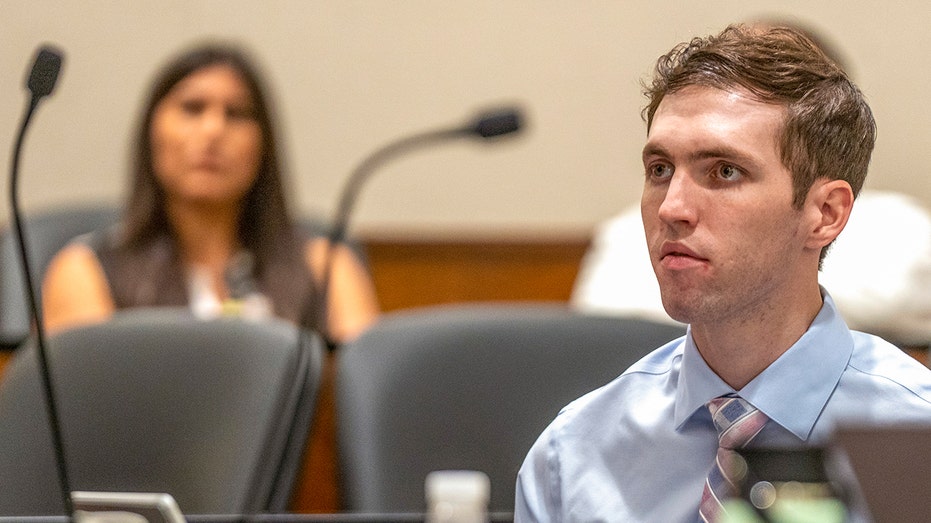
Law enforcement officials in Washington, D.C., are continuing their investigation into the suspect connected to the shooting incident that unfolded near the Correspondents’ Dinner venue. The dinner was held at the Washington Hilton, a hotel long associated with the annual press gathering and other high-profile political events.
The investigation is being coordinated by the Metropolitan Police Department of the District of Columbia along with federal authorities, including the United States Secret Service, which is responsible for protecting the president and other designated officials.
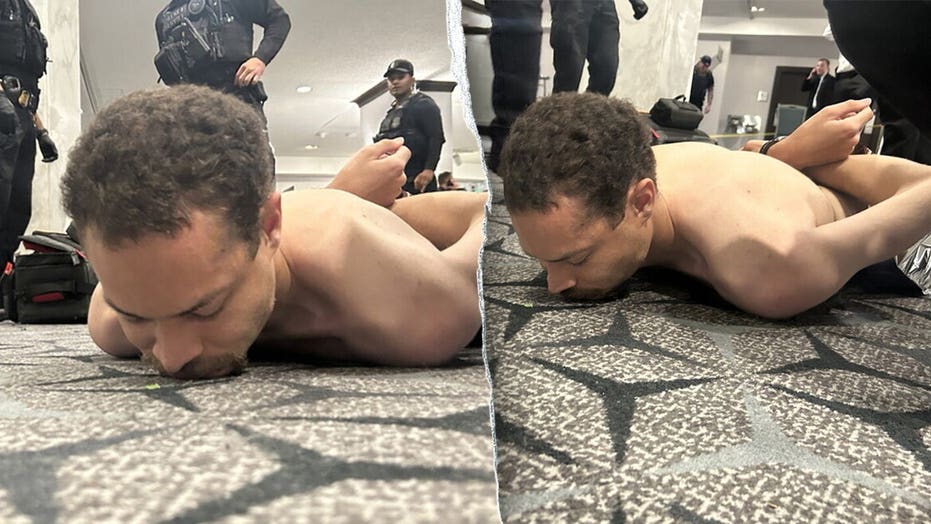
According to initial law enforcement briefings, the suspect was taken into custody after gunfire erupted in proximity to the event’s secure perimeter. Authorities moved quickly to isolate and contain the threat. Investigators are combing through:
- The suspect’s background and prior criminal history
- Possible political or ideological motivations
- Digital activity and online communications
- Any evidence of accomplices or broader coordination
While officials have urged caution about drawing conclusions too early, what is already clear is that the suspect managed to approach a venue hosting some of the most powerful individuals in America — including journalists, elected officials, and high-ranking members of the executive branch.
Security Response: Secret Service and Evacuation Protocols
At the time of the scare, President Donald Trump was present inside the venue. According to public comments made afterward, the president acknowledged that he did not immediately rush to evacuate, stating that he wanted to assess what was happening before being escorted out by the Secret Service.
The Secret Service follows strict protective intelligence protocols during high-risk events, particularly in a city like Washington, D.C., where the concentration of federal leadership is unmatched anywhere in the country. Standard measures during large-scale events such as the Correspondents’ Dinner typically include:
- Layered security perimeters
- Magnetometers and controlled entry points
- Credential verification
- On-site tactical units and medical personnel
Nevertheless, the incident has prompted hard questions from lawmakers about whether additional safeguards are required. Some members of Congress have specifically raised concerns about how hotel metal detectors and security checkpoints were positioned and monitored.
Critics argue that any lapse — even a minor one — is unacceptable at an event featuring both the press corps and the president. Supporters of law enforcement counter that the system ultimately worked: the suspect was quickly neutralized, and there was no mass casualty outcome.
Political Rhetoric Under the Microscope
The shooting did not occur in a vacuum. In the days leading up to the dinner, several commentators and late-night hosts delivered highly charged rhetoric directed at President Trump and members of his family.
Some media figures made inflammatory statements that critics say crossed the line from political disagreement into dehumanizing language. In one notable example, a commentator had claimed the president “wants us dead” just minutes before chaos broke out near the event.
While the First Amendment — protected under the U.S. Constitution — robustly defends free speech, many Americans are asking whether constant escalation from media platforms contributes to an unstable environment.
The concern is not about suppressing dissent. Political criticism is part of our national fabric. The concern is whether repeated portrayals of political opponents as existential threats erode the norms that keep disagreement civil and nonviolent.
“False Flag” Claims Draw Bipartisan Pushback
In the immediate aftermath of the shooting scare, some fringe voices on the left began circulating allegations that the incident was staged or exaggerated. These “false flag” claims spread quickly on social media before being strongly condemned — including by voices inside liberal media circles.
A former president of the WHCA publicly rebuked such speculation as “disturbing,” emphasizing that reckless theorizing undermines public trust and disrespects both law enforcement and potential victims.
Disinformation spreads rapidly in today’s digital ecosystem. The Department of Homeland Security has repeatedly warned about the dangers posed by online radicalization and conspiracy amplification, issues outlined in threat assessments published by agencies such as the U.S. Department of Homeland Security.
When major national events are immediately filtered through partisan assumptions, facts often become collateral damage.
Is the Tone of Washington Out of Control?
The White House Correspondents’ Dinner has long walked a fine line between celebration and spectacle. Some critics argue that the event symbolizes an overly cozy relationship between politicians and journalists. Others view it as a harmless tradition dating back to 1921.
But what was once an evening of bipartisan humor now often feels like a cultural battleground. In recent years, presidents from both parties have either skipped or minimized their participation, citing concerns about tone and decorum.
This year’s chaos has amplified broader concerns about:
- Declining trust in media institutions
- Political polarization reaching historic highs
- Online ecosystems that reward outrage
- The normalization of extreme rhetoric
According to research from institutions like the Pew Research Center, public trust in media and government has been trending downward for years. Events like this only intensify those divisions.
A Broader Security Reckoning
The shooting scare arrives amid a period of heightened global and domestic tension. From threats against public officials to unrest tied to international conflicts, security agencies are navigating a complex environment.
Some lawmakers have argued that this incident should serve as a wake-up call for Congress to ensure full funding and operational readiness for agencies tasked with protecting national leaders.
Supporters of expanded funding point to mounting global flashpoints, including renewed tensions in the Middle East. Iran has recently floated a diplomatic overture involving reopening the Strait of Hormuz, a critical energy chokepoint, if certain conditions are met regarding regional hostilities.
The U.S. Department of State continues to evaluate such proposals as part of broader strategic negotiations. While overseas diplomacy may seem distant from a domestic shooting scare, both illustrate how fragile the global and national security environment has become.
Political Fallout and Campaign Implications
With election season intensifying, every major security incident now carries political consequences. Candidates at both the state and federal levels are recalibrating their messaging in light of the attack.
Issues such as:
- Federal law enforcement funding
- Gun policy and Second Amendment protections
- Counterterror measures
- Online radicalization
are once again front and center.
Some conservative voices argue that proposals from certain Democratic leaders would expand federal power without necessarily addressing root causes of instability. Others counter that stricter regulations are needed to prevent future acts of violence.
The American people, however, are increasingly skeptical of performative outrage from either side. Voters consistently rank public safety as a top issue, alongside economic stability and border security.
The Cultural Crosscurrents Surrounding the Dinner
The Correspondents’ Dinner unfolded amid several other headline-grabbing national stories. Cultural debates — from corporate apologies over past political statements to controversial racial equity proposals in major cities — are shaping a charged national mood.
Even America’s upcoming 250th anniversary of independence has entered the political conversation. A planned visit by King Charles III to the White House carries historical symbolism, as the nation commemorates its break from the British crown in 1776.
The juxtaposition is striking: centuries-old constitutional democracy, a free press enshrined by the First Amendment, and yet a modern atmosphere marked by suspicion and division.
Restoring Civility Without Silencing Debate
Moments like the White House Correspondents’ Dinner shooting scare force Americans to confront uncomfortable truths.
We can fiercely debate policy. We can vote out leaders we oppose. We can criticize the media, protest in the streets, and advocate for sweeping reform. That is the genius of the American experiment.
But when political opponents are treated as enemies rather than fellow citizens, the guardrails weaken.
Restoring civility does not mean surrendering convictions. It means remembering that the Constitution — and the rule of law — provide mechanisms for change without resorting to chaos.
The Bottom Line for Patriotic Americans
The investigation into the White House Correspondents’ Dinner shooting suspect is ongoing. Authorities are expected to release additional details as forensic analysis, interviews, and digital reviews continue.
For now, several facts remain clear:
- Security forces responded swiftly and prevented greater harm.
- Political rhetoric is under renewed scrutiny.
- Conspiracy theories damage public confidence.
- The American people expect accountability — not theatrics.
At Wake Up America News, we believe in a strong First Amendment, strong law enforcement, and strong national unity. These pillars are not contradictory — they are complementary.
America’s greatness has never depended on unanimous agreement. It has depended on constitutional order, responsible leadership, and citizens committed to preserving liberty.
The White House Correspondents’ Dinner shooting scare is a sobering reminder that safeguarding those principles requires vigilance — not just from federal agencies, but from all of us.
Your Source for Patriotic News.