Questions Mount in Disappearance of American Woman in the Bahamas
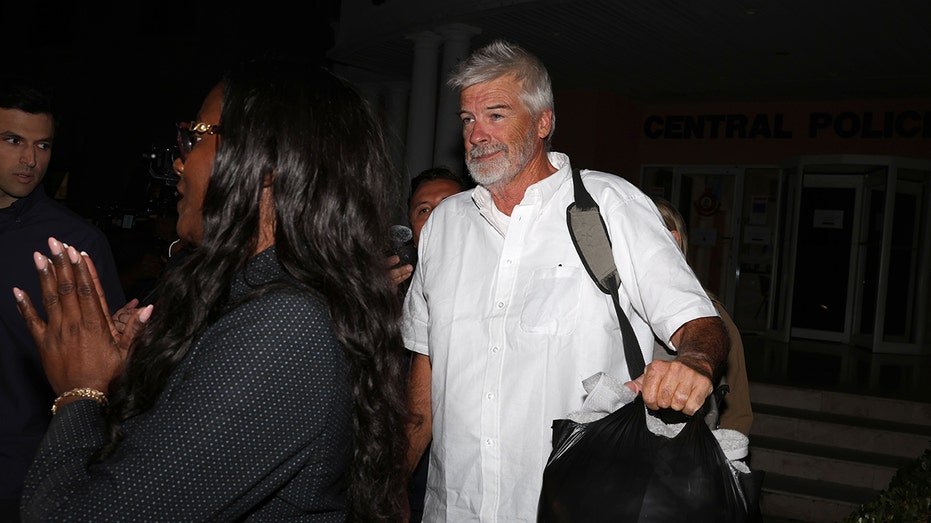
A peaceful getaway in the Bahamas has turned into a heartbreaking international mystery, raising serious questions about what really happened on the waters off Great Abaco Island. As search efforts continue for missing American Lynette Hooker, new concerns are emerging about the timeline provided by her husband, Brian Hooker — particularly from a local bartender who saw the couple shortly before she vanished.
While no charges have been filed and Bahamian authorities continue to investigate, inconsistencies in the reported sequence of events are drawing scrutiny from both locals and Lynette’s own family. For Americans who travel abroad, the case is also serving as a sobering reminder of the risks that can accompany even the most scenic destinations.
A Relaxed Evening Before a Tragedy
According to witnesses, Brian and Lynette Hooker were seen at the pool bar of the Abaco Inn in Hope Town on April 3. The inn, a well-known resort on Elbow Cay, is a popular stop for visitors seeking sun, boating, and island hospitality.
A bartender identified as Ken, 38, recalled serving Brian rum and Cokes during the early evening hours. Ken said the bar was busy that night, and Brian thanked him for getting the drinks out quickly.
What stood out later, however, was not what happened — but what didn’t. Ken told reporters that he never actually saw Lynette during the roughly two-and-a-half hours they were reportedly at the pool.
“When I heard about it the next day, I was shocked,” Ken said in media interviews. “But I didn’t see the lady, I didn’t get to talk to her or anything.”
At the time, nothing appeared outwardly unusual. But as the timeline unfolded the following day, Ken began to question whether the pieces truly fit together.
What Happened on April 4?
According to statements given to the Royal Bahamas Police Force, the couple departed Hope Town by dinghy around 7:30 p.m. on April 4. Their destination was another location on Elbow Cay where their primary vessel was moored.
Brian Hooker reportedly told authorities that shortly after leaving shore, Lynette fell overboard. He said she went into the water along with the dinghy’s ignition key, disabling the motor and leaving him stranded.
Brian later arrived at a marina in Marsh Harbour around 4 a.m. on April 5, after paddling roughly four miles across open water. This timeline — from the reported fall at approximately 7:30 p.m. to his arrival nearly eight hours later — is the element that has raised eyebrows.
The Timeline Problem
Ken, who is familiar with the local waterways and conditions, said the length of time it allegedly took for Brian to reach Marsh Harbour does not add up.
“It’s only about four miles,” he noted in interviews. “Even in tough conditions, it shouldn’t have taken eight to ten hours.”
Weather reports indicated winds in the range of 25 miles per hour that evening. While those conditions are challenging, seasoned boaters say they are not unheard of in the area.
To understand why this matters, consider the geography. Hope Town and Marsh Harbour are separated by relatively narrow stretches of water within the Abaco Islands. Under normal circumstances:
- A powered dinghy would make the trip in minutes.
- Even drifting or paddling without power would typically take far less than eight hours.
- Search visibility in that corridor is generally considered manageable under daylight conditions.
This gap in the timeline — especially if Lynette disappeared “right after” departure — is central to questions now circulating among locals and family members alike.
No Charges Filed — Investigation Ongoing
It is important to stress that Brian Hooker has not been charged with a crime. Bahamian authorities detained him initially but later released him, confirming that the investigation remains open.
The Royal Bahamas Police Force has not publicly detailed all evidence collected or search strategies deployed. Maritime incidents can be complex, especially in areas with currents, tidal shifts, and strong winds.
Still, in cases involving missing Americans abroad, cooperation between local authorities and U.S. officials is critical. The U.S. Embassy in Nassau typically assists when American citizens go missing overseas, providing liaison services to families and working with host-nation authorities.
A Daughter Demands Answers
While Brian reportedly returned to the United States to be with his ill mother, Lynette’s daughter, Karli Aylesworth, traveled to the Bahamas to assist in the search and speak with investigators.
In interviews, Aylesworth said she spent several hours speaking with police and reviewing available information. She has publicly voiced doubts about her stepfather’s account of events.
“It doesn’t seem like just some accident,” she said in media interviews.
Standing near her mother’s boat, Aylesworth described an emotional moment in which she spoke aloud as though her mother could hear her, pleading for clarity and closure.
For families of missing persons, the agony of uncertainty often proves worse than confirmed tragedy. Organizations like the National Missing and Unidentified Persons System (NamUs) note that unresolved disappearances leave loved ones in prolonged emotional limbo.
Boating Safety and Maritime Reality
While suspicion and speculation swirl, maritime safety experts caution that accidents on the water can turn catastrophic quickly. Falling overboard from a small dinghy in windy conditions, particularly after dark, is inherently dangerous.
According to the U.S. Coast Guard’s Boating Safety Division, key risk factors in fatal boating incidents include:
- Failure to wear life jackets
- Alcohol consumption
- Unexpected weather shifts
- Lack of proper lighting after sunset
Water temperatures, currents, and limited nighttime visibility can compound danger. Even strong swimmers face severe survival challenges once separated from a vessel.
Still, experts emphasize that accurate timelines are crucial in evaluating whether an event was accidental, negligent, or intentional. Search-and-rescue modeling relies heavily on last-known coordinates and precise disappearance times.
Tourism and Safety in the Bahamas
The Bahamas remains one of the most popular destinations for American travelers, with millions visiting annually. The U.S. Department of State maintains a travel advisory page for the country at Travel.State.Gov, noting general safety guidance and situational awareness tips.
Serious crimes and boating accidents involving tourists are relatively rare compared to total visitor volume. However, when Americans go missing overseas, such cases draw rightful scrutiny.
Red-blooded Americans expect transparency, accountability, and thorough investigation — whether at home or abroad. When the details don’t align, it is natural for families and the broader public to demand clarity.
The Importance of Due Process
While suspicions may exist, it is essential to remember that Brian Hooker remains legally innocent unless charged and proven otherwise. Law enforcement agencies around the world follow evidentiary standards that require proof beyond speculation.
Public pressure cannot substitute for forensic evidence, witness corroboration, or physical findings. At the same time, unanswered questions — particularly regarding time discrepancies — are legitimate areas of inquiry.
Investigators will likely examine:
- Weather data and marine conditions on April 4
- GPS or vessel tracking information, if available
- Forensic analysis of the dinghy and primary boat
- Witness statements from marina personnel in Marsh Harbour
Only a complete and transparent investigative process will determine whether this case reflects a tragic maritime accident or something more troubling.
A Community Watching Closely
In tight-knit areas like Hope Town and Marsh Harbour, news travels quickly. Locals who depend on tourism also understand the importance of maintaining public confidence in safety and accountability.
The bartender’s comments about the timeline do not constitute an accusation. Instead, they reflect the instincts of someone deeply familiar with the water and geography involved.
When someone says, “That trip shouldn’t take eight hours,” it raises a factual question that deserves thorough examination.
A Mother Still Missing
As days pass, the focus remains on Lynette Hooker. Search operations in maritime environments become more complex over time, as currents can carry evidence or individuals far from original locations.
Families in these situations cling to hope while bracing for the worst. For Lynette’s daughter and loved ones, each unanswered question prolongs emotional turmoil.
Americans believe in truth, justice, and the power of facts to set matters straight. Whether this investigation ultimately confirms accident or reveals wrongdoing, the Hooker family deserves clear answers rooted in evidence — not ambiguity.
Until then, one thing remains undeniable: eight hours across four miles in 25-mile-per-hour winds is a timeline that investigators will not ignore.
Wake Up America News will continue to monitor developments in this case and provide updates as verified information becomes available.