DHS Condemns “Monsters” Charged With Capital Murder in Killing of Unborn Child in Dallas
The U.S. Department of Homeland Security has issued a forceful condemnation after two foreign nationals who illegally entered the United States were charged in Dallas with capital murder for the shooting death of an unborn baby. The case has reignited debate over border security, local cooperation with federal immigration enforcement, and the growing public safety concerns tied to criminal illegal aliens operating in American communities.
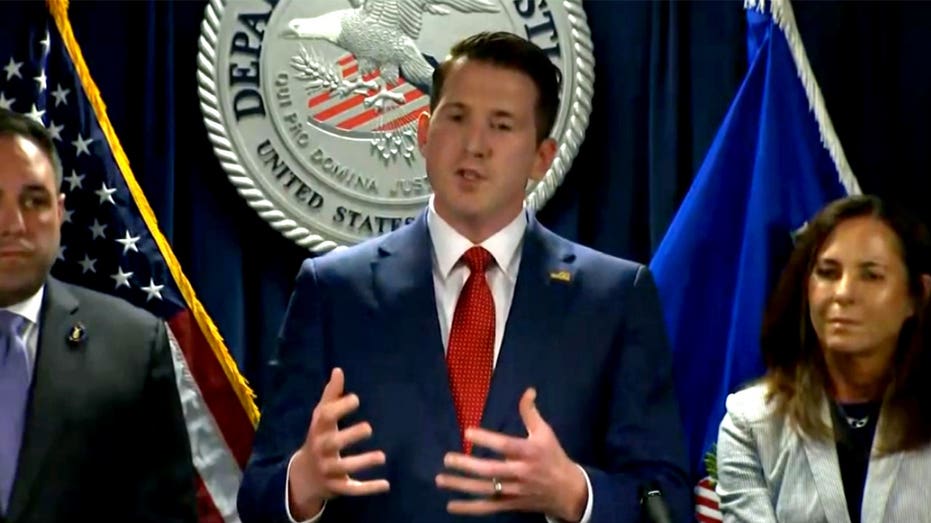
According to a statement released by the U.S. Department of Homeland Security (DHS), Acting Assistant Secretary Lauren Bis described the suspects in blunt terms, calling them “monsters” and declaring that they “should never have been in our country in the first place.”
The charges stem from a violent early-morning incident in Dallas that left a pregnant teenage mother wounded and her unborn child dead. The facts of the case are disturbing, and officials say they underscore the life-and-death stakes of immigration enforcement and local-federal cooperation.
The Crime: A Drive-By Shooting That Claimed an Innocent Life
The shooting occurred around 12:40 a.m. on May 3 in the parking lot of a 7‑Eleven convenience store in Dallas, Texas. According to local law enforcement reports, the incident began with an argument between individuals in separate vehicles.
The pregnant teenage victim was riding in a car with another person when they encountered the suspects in the parking lot. Authorities say words were exchanged before the victim’s vehicle left the area. Shortly thereafter, prosecutors allege, the suspects followed.
Investigators state that gunfire erupted during what became a drive-by shooting. Multiple shots were fired into the victims’ vehicle. The pregnant teen was struck, and tragically, so was her unborn child. A second vehicle was also hit by gunfire, though that driver was not physically injured.
The case is being handled by the Dallas Police Department, which continues to investigate the full sequence of events and gather evidence. Police later located the suspects’ vehicle, leading to a pursuit.
Authorities say that after officers attempted a traffic stop, one of the suspects fled, initiating a chase that ended in a crash. During the arrest, law enforcement officers reported finding cocaine and MDMA inside the vehicle.
The Victim: 22 Weeks Pregnant
The pregnant victim was 22 weeks along when she was struck by gunfire. After informing officers that she was expecting a child, she was transported to Baylor Scott & White Health, commonly referred to locally as Baylor Hospital.
Medical teams performed an emergency cesarean section in a desperate attempt to save the baby’s life. Despite their efforts, the unborn child did not survive.
Under Texas law, unborn children are recognized as victims in certain violent crimes. The state’s criminal statutes allow prosecutors to pursue homicide-related charges when an unborn child is killed during a criminal act, reflecting Texas’ longstanding legal framework regarding fetal homicide. More information about relevant statutes can be found in the Texas Penal Code.
In this case, Dallas County prosecutors have charged both suspects with capital murder—a charge that carries the possibility of life imprisonment without parole or the death penalty under Texas law.
The Suspects: Illegal Entry and Felony Charges
Federal immigration authorities confirmed that the two suspects are foreign nationals who entered the United States illegally.
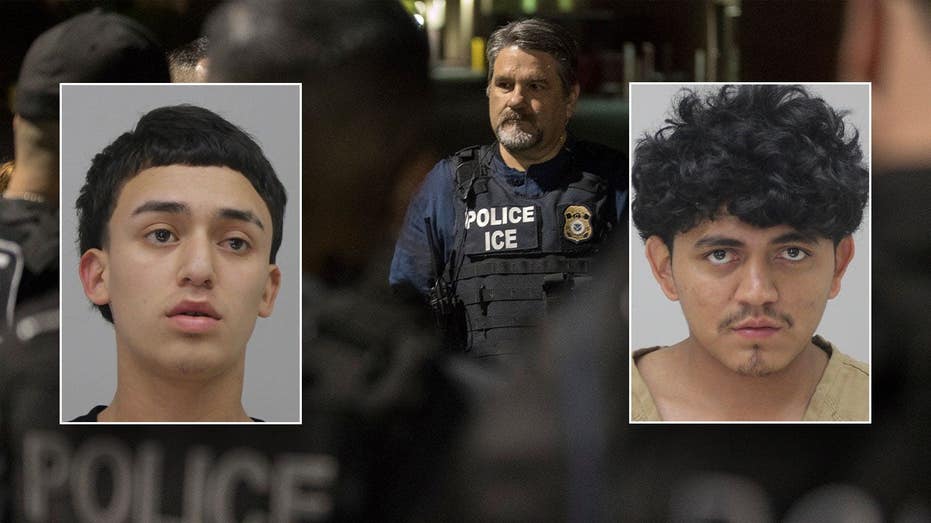
- Yeremy Alexander Zapata Aleman, 17, a citizen of Honduras.
- Keyner Ariel Calero Jiron, 20, a citizen of Nicaragua.
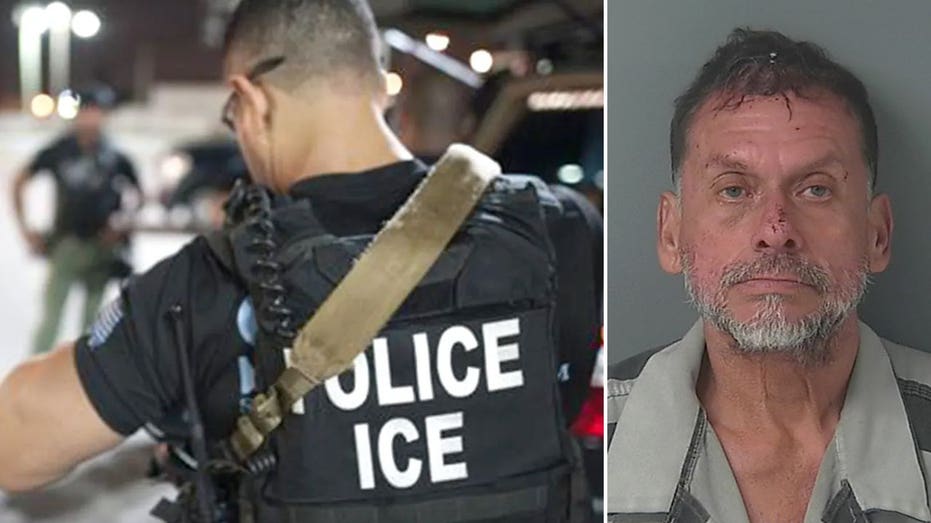
According to the U.S. Immigration and Customs Enforcement (ICE), both individuals had crossed the U.S. border unlawfully. DHS officials emphasized that their presence in the country was illegal at the time of the alleged crime.
In addition to capital murder, both men face five counts of felony aggravated assault and one count of cocaine possession. Calero Jiron is also charged with unlawfully carrying a weapon.
The combination of violent charges and alleged drug possession has amplified public outrage, particularly given ongoing concerns about cartel activity, drug trafficking, and transnational gang involvement across the southern border.
DHS: “They Should Never Have Been Here”
DHS wasted no time in condemning the crime and highlighting what it sees as the broader policy implications.
“These monsters shot multiple people and killed an unborn baby,” Acting Assistant Secretary Lauren Bis said in the official statement. “They now face multiple felony charges, including homicide and aggravated assault. This is an unspeakable crime, and these criminal illegal aliens should never have been in our country in the first place.”
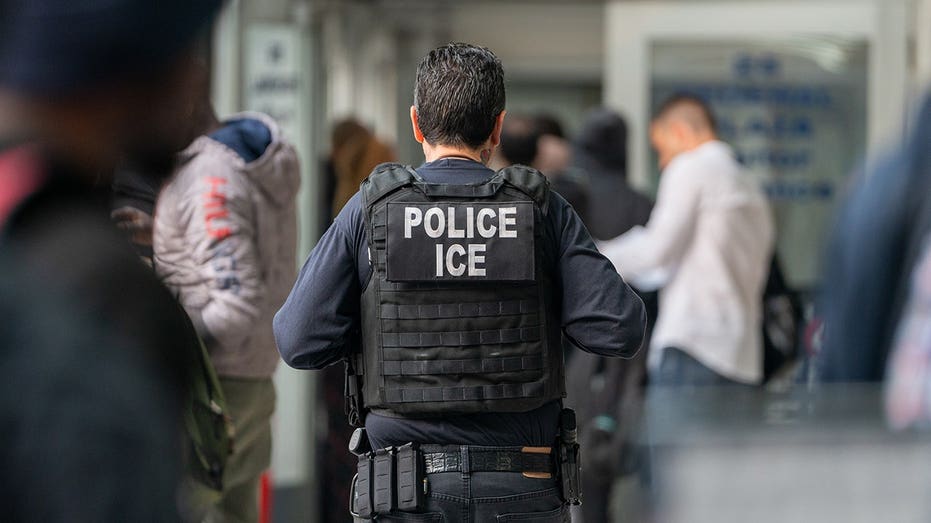
DHS also emphasized that cooperation between local authorities and federal immigration officials is key to ensuring public safety. The department specifically noted that Dallas works with ICE, signaling the importance of interagency collaboration.
“Thankfully, Dallas cooperates with ICE,” the statement continued, adding that officials will work together to ensure the suspects “can never again terrorize our communities.”
The Role of Local-Federal Cooperation
The reference to Dallas’ cooperation with ICE is significant. Across the country, so-called “sanctuary” policies in some jurisdictions limit interaction between local law enforcement and federal immigration authorities.
Texas, however, has taken a different approach. The state has enacted measures encouraging or requiring cooperation with federal immigration enforcement, including policies that prevent local governments from implementing blanket sanctuary rules.
Federal agencies such as ICE and DHS argue that information-sharing agreements and detainer cooperation are essential tools for identifying, apprehending, and removing criminal aliens from American communities. Critics of looser enforcement policies contend that when dangerous individuals are shielded from detection or deportation, innocent Americans—and in this case, an unborn child—can pay the price.
Capital Murder in Texas: What It Means
Under Texas law, capital murder is among the most serious criminal charges available to prosecutors. It typically involves murder under specific aggravating circumstances, such as multiple victims, certain types of victims, or murders committed during the commission of another felony.
If convicted, defendants charged with capital murder in Texas face:
- Life imprisonment without the possibility of parole, or
- The death penalty, if prosecutors pursue it and a jury imposes it.
While it remains to be seen whether the Dallas County District Attorney will seek capital punishment in this case, the severity of the charge signals the gravity with which prosecutors view the killing of the unborn child.
Drugs, Weapons, and Public Safety Concerns
Authorities have stated that cocaine and MDMA were found in the suspects’ vehicle. Cocaine remains a Schedule II controlled substance under federal law, while MDMA—often known as ecstasy—is a Schedule I controlled substance under the Controlled Substances Act. Information on federal drug classifications is available through the U.S. Drug Enforcement Administration (DEA).
The alleged presence of narcotics raises additional public safety concerns, especially in border states that have experienced rising levels of drug trafficking and fentanyl-related deaths.
Law enforcement officials frequently warn that criminal networks involved in human smuggling are often tied to drug trafficking operations. The intersection of illegal entry, narcotics, and violent crime is a growing focus area for both state and federal policymakers.
Border Security and the National Debate
This case comes amid intense national debate over border security, asylum policy, and enforcement priorities. The southern border has experienced historically high levels of encounters in recent years, placing pressure on federal agencies such as U.S. Customs and Border Protection (CBP).
Supporters of stricter immigration enforcement argue that robust border controls are necessary not only for economic and sovereignty reasons but also to protect American communities from preventable crimes.
They point to cases like the Dallas shooting as tragic examples of what can happen when individuals who have entered unlawfully are able to remain in the country and allegedly commit serious crimes.
Others argue for comprehensive immigration reform, insisting that the vast majority of migrants are not violent criminals. Yet high-profile cases involving murder or capital charges inevitably shape public opinion and put additional scrutiny on federal enforcement mechanisms.
The Human Cost
Beyond the legal and political implications lies a profound human tragedy. A young mother was shot and wounded. Her unborn baby—just 22 weeks into life—did not survive.
Violent crime affects far more than statistics or policy arguments. Families are changed forever. Communities grapple with grief and anger. Trust in public institutions is tested.
In this case, the loss of an unborn child will resonate deeply in a state that explicitly recognizes such lives under its criminal statutes. For many Texans, the charge of capital murder reflects a conviction that the unborn baby’s life mattered and that justice demands accountability.
What Comes Next
Both suspects remain in custody and are expected to face formal court proceedings in Dallas County. The judicial process will determine guilt or innocence, and defendants are presumed innocent unless proven guilty in a court of law.
ICE is expected to maintain immigration detainers to ensure that, regardless of the state court outcome, federal authorities have jurisdiction over the suspects’ immigration status.
If convicted of capital murder, the consequences will be severe under Texas law. If acquitted or convicted of lesser charges, immigration proceedings would still likely follow, given their unlawful entry status.
A Call for Accountability
The Department of Homeland Security’s statement reflects more than anger; it reflects a policy stance that border enforcement and immigration law matter because lives are at stake.
For many Americans, the fundamental question is whether tragedies like this can be prevented through stronger enforcement, deterrence measures, and cooperation between local and federal agencies.
As the case moves forward, it will remain a powerful symbol in the broader debate over national sovereignty, criminal justice, and the federal government’s duty to protect its citizens.
One thing is certain: a young mother is grieving, a child’s life has been lost, and a Dallas community is demanding justice. The American public will be watching closely as the legal system works to hold those responsible accountable.
Wake Up America News — Your Source for Patriotic News.