Another Pandemic Relief Scam Exposed as Justice Department Secures Guilty Plea in $1 Million PPP Fraud Case
At a time when millions of American small business owners were fighting to keep their doors open during the COVID-19 shutdowns, one man chose a different path. Instead of protecting jobs and supporting workers, he helped himself to more than $1 million in taxpayer-funded relief — and now, justice is catching up.
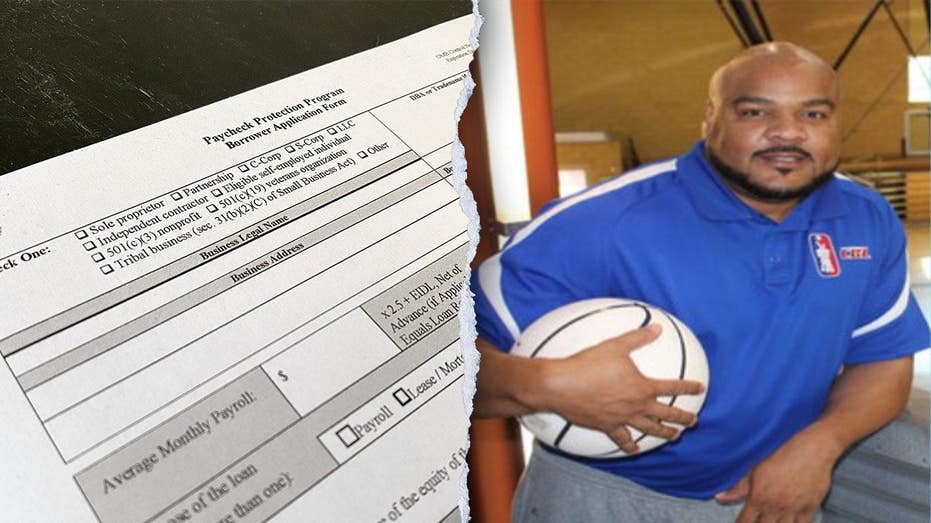
Jamar Johnson, a U.S. citizen, has pleaded guilty to orchestrating a scheme that fraudulently secured over $1,047,824 through the federal government’s Paycheck Protection Program (PPP), according to the U.S. Department of Homeland Security (DHS). The program was created to provide lifeline funding to struggling small businesses during the height of the pandemic. Instead, Johnson allegedly used the system to fund his personal lifestyle — including crypto investments and overseas financial transfers.
The guilty plea represents yet another chapter in the ongoing effort to clean up what many now call one of the largest fraud waves in American history.
What the Paycheck Protection Program Was Meant to Do
The PPP was launched in 2020 under the Coronavirus Aid, Relief, and Economic Security (CARES) Act. Administered by the U.S. Small Business Administration (SBA) in partnership with the Treasury Department, the program was designed to:
- Help small businesses maintain payroll
- Prevent mass layoffs and business closures
- Provide forgivable loans for qualifying expenses
- Stabilize local economies during government-imposed shutdowns
At its core, the PPP was intended as a bridge over troubled waters. For many legitimate businesses — family-owned restaurants, local gyms, independent contractors, and neighborhood shops — these funds were the difference between survival and bankruptcy.
But as with many large, rapidly deployed government programs, weak oversight in the early stages created opportunities for abuse.
The Alleged Scheme: A Phantom Amateur Basketball League
According to authorities, Johnson submitted a PPP loan application in 2020 claiming to operate a company that managed an amateur basketball league. Based on those representations, he was awarded over $1 million in taxpayer-funded relief.
However, investigators determined that the funds were not used to pay employees or sustain legitimate operations. Instead, after the money was disbursed, Johnson allegedly:
- Diverted large portions of the funds for personal use
- Purchased cryptocurrency
- Transferred money into foreign markets
- Attempted to conceal the origin of the funds through complex financial movement
Such actions, investigators say, were deliberate attempts to obscure the trail of taxpayer money. Efforts to move funds offshore or into digital currency platforms have become common tactics among fraudsters seeking to evade detection.
Johnson ultimately pleaded guilty to charges connected to the fraudulent loan acquisition.
Homeland Security’s Role in Tracking Pandemic Fraud
The investigation was conducted with the involvement of Homeland Security Investigations (HSI), the principal investigative arm of DHS responsible for transnational crime and financial fraud cases.
While DHS is often associated with border security and counterterrorism, HSI has significant authority in complex financial investigations, including:
- Money laundering
- Fraud schemes crossing state or international lines
- Financial crimes involving federal programs
Acting DHS Assistant Secretary Lauren Bis said the case highlights the agency’s continued focus on protecting taxpayer-funded programs.
“This guilty plea sends a clear message: Those who defraud the American people and attempt to hide their crimes will be identified, investigated and held accountable,” she said in a statement.
The message is straightforward: exploiting national crises for personal enrichment will not go unanswered.
The Broader Problem: Pandemic Fraud on a Massive Scale
Johnson’s case is far from isolated. In fact, it represents just one small piece of what federal watchdogs have described as a staggering level of fraud throughout pandemic-era relief programs.
The PPP distributed nearly $800 billion nationwide. While many small businesses benefited legitimately, oversight mechanisms in the early stages were limited due to the urgency of economic shutdowns.
Recently, the SBA referred approximately 562,000 suspected fraudulent loans — totaling over $22.2 billion — to the U.S. Department of the Treasury for collection efforts. That represents one of the largest coordinated anti-fraud referrals in federal history.
According to SBA leadership, this sweeping action follows what officials describe as years of insufficient enforcement.
New Leadership, New Crackdowns
SBA Administrator Kelly Loeffler has stated that the agency is taking decisive action to reverse what she describes as a period of lax oversight during the Biden administration.
In public statements, SBA officials accused the previous administration of failing to aggressively pursue suspected fraud cases and delaying referrals to Treasury enforcement channels.
Among the most eye-opening moves:
- Suspension of over 111,000 borrowers in California
- Identification of $8.6 billion in suspected fraudulent PPP and Economic Injury Disaster Loan (EIDL) activity in that state alone
- Coordination with a White House Anti-Fraud Task Force to prioritize enforcement
Altogether, California accounted for 118,489 PPP and EIDL loans under scrutiny during that review period.
While critics argue that the rush to distribute funds in 2020 made fraud inevitable, others maintain that aggressive follow-up investigations should have begun much sooner.
The Human Cost of Pandemic Fraud
When fraudsters siphon money from emergency programs, the consequences go far beyond dollar figures on a spreadsheet.
Every fraudulent loan reduces available resources for legitimate small business owners who:
- Had real employees to pay
- Faced government-mandated closures
- Struggled with supply chain disruptions
- Risked losing decades of hard work
During the height of the COVID-19 pandemic, countless American families sacrificed income, stability, and savings. Many owners took on personal debt to preserve jobs in their communities.
Fraud of this scale doesn’t just hurt “the government.” It ultimately burdens taxpayers — working Americans — who must absorb financial losses through higher deficits or future taxes.
Cryptocurrency and the New Frontier of Financial Crimes
Johnson’s use of cryptocurrency to allegedly move and conceal funds reflects a broader trend in modern financial crime.
Digital assets, while legitimate financial tools when used lawfully, can present challenges to investigators when used to obscure illegal proceeds. Cross-border transactions, anonymizing techniques, and exchanges operating across jurisdictions can complicate enforcement efforts.
That said, federal authorities have grown increasingly sophisticated in tracking blockchain transactions, and successful prosecutions in recent years show that “digital” does not mean “untraceable.”
The lesson for would-be fraudsters is clear: technology may delay detection, but it rarely guarantees immunity.
Accountability in Government Spending
The Johnson case feeds into a larger national debate about government spending, emergency powers, and oversight.
When Congress authorized sweeping pandemic relief under the CARES Act, lawmakers faced immense pressure to act quickly. Speed was prioritized over strict front-end vetting. Many applications were approved based on self-reported documentation.
While such urgency may have been justified given the economic freefall at the time, it also created vulnerabilities. Experts now argue that any future emergency spending legislation should include:
- Stronger real-time verification systems
- Enhanced inter-agency data sharing
- Mandatory post-disbursement audits
- Clearer criminal penalties for false applications
The American people expect both compassion and competence from their government. Relief programs must help those in genuine need — without becoming open season for opportunists.
A Warning to Would-Be Fraudsters
Although Johnson has entered a guilty plea, the legal process will ultimately determine sentencing. Federal penalties for fraud involving disaster relief funds can include significant prison time, restitution orders, and financial forfeiture.
Investigators say these prosecutions are intended not only to recover stolen funds but also to serve as a deterrent.
As DHS officials emphasized, hiding money in complex financial channels — whether foreign transfers or digital currency wallets — will not prevent federal investigators from tracing illicit funds.
The expanding crackdown by DHS, SBA, and Treasury signals that the era of passive tolerance toward pandemic fraud is over.
Restoring Public Trust
Perhaps the most important outcome of cases like this is not simply financial recovery, but restoration of public trust.
Americans are deeply generous in times of crisis. Taxpayers supported relief bills in 2020 because they believed their neighbors needed help. When individuals exploit that generosity, it undermines faith in future emergency efforts.
Holding offenders accountable reinforces a foundational American principle: equal justice under the law.
No matter the amount stolen, no matter the scheme used, and no matter how funds are hidden, federal authorities are making clear that abuse of public assistance programs will carry consequences.
The Bigger Picture
Jamar Johnson’s guilty plea over the fraudulent $1 million PPP loan is one case among hundreds of thousands under review. But it is symbolically important.
It represents:
- The ongoing effort to reclaim misused taxpayer dollars
- A renewed focus on government accountability
- A warning that pandemic-era fraud will not simply be forgotten
As enforcement actions accelerate nationwide, Americans can expect more guilty pleas, asset seizures, and restitution cases to follow.
For the small business owners who played by the rules — those who used PPP funds exactly as intended to keep Americans employed — such accountability is more than a legal matter. It’s a matter of fairness.
And for taxpayers who funded these programs in good faith, it sends a message: abuse will be investigated, prosecuted, and punished.
Wake Up America News will continue to follow developments in pandemic fraud investigations and government accountability efforts. Because protecting taxpayer dollars isn’t partisan — it’s patriotic.